Introduction
Many wine lovers wonder whether wine scores still matter when choosing a bottle. Imagine standing in a wine shop, scanning the shelves lined with bottles from regions around the world. Small cards beneath some of the bottles proudly display “92 Points” or “95 Points” in bold lettering. It’s easy to assume that the higher the number, the better the wine.
For many wine drinkers, these scores offer a quick way to navigate an overwhelming selection. When faced with dozens—or even hundreds—of choices, a rating can feel like a helpful shortcut. A wine with a 90+ point score seems like a safe bet.
But have you ever wondered what those numbers really mean? Is a 94-point wine truly better than an 89-point wine? And more importantly, does a high score guarantee that you will enjoy what’s in the glass?
For decades, wine scores have played a powerful role in shaping what people buy and how wines are perceived. Yet today’s wine culture is more diverse, curious, and exploratory than ever before. Consumers are discovering new regions, unusual grape varieties, and wines made in a wide range of styles.
Which raises an interesting question:
In a world where wine lovers are increasingly guided by curiosity rather than rankings, do wine scores still matter?
To understand the answer, it helps to look at how the modern wine scoring system first rose to prominence.
The Rise of Wine Scores
Wine hasn’t always been evaluated with numbers. In fact, for much of wine’s long history, appreciation of wine was discussed through descriptive language rather than formal ratings.
That began to change in the late twentieth century, as wine journalism grew and publications dedicated to wine gained larger audiences. As consumers became more interested in learning about wine, critics began searching for ways to communicate their evaluations clearly and efficiently.
One solution was the 100-point scoring system, a numerical scale designed to quickly summarize a critic’s overall impression of a wine. Instead of reading lengthy tasting notes, consumers could glance at a number and instantly understand how highly the wine was regarded.
Few figures were more influential in popularizing this approach than the renowned wine critic Robert Parker. Through his publication The Wine Advocate, Parker’s scores became enormously influential, often shaping demand for wines around the world.
At the same time, widely read publications such as Wine Spectator embraced the scoring system, further cementing the practice within the wine industry. High scores began appearing on bottle shelf talkers in wine shops, restaurant wine lists, and marketing materials from wineries.
For consumers, these ratings provided something valuable: a simple way to navigate an increasingly complex wine market. Instead of feeling overwhelmed by unfamiliar regions and grape varieties, buyers could rely on a trusted critic’s assessment.
In many ways, wine scores helped democratize wine appreciation. They gave consumers a tool—however simplified—for identifying wines that critics believed were particularly well made.
Yet as helpful as scores can be, they also raise important questions about how wine is evaluated and experienced—questions that continue to shape discussions within the wine world today. 🍷

Why Wine Scores Became So Powerful
Once the scoring system took hold, it quickly became one of the most influential tools in the wine world. Its success wasn’t accidental—wine scores solved a very real problem for both consumers and the industry.
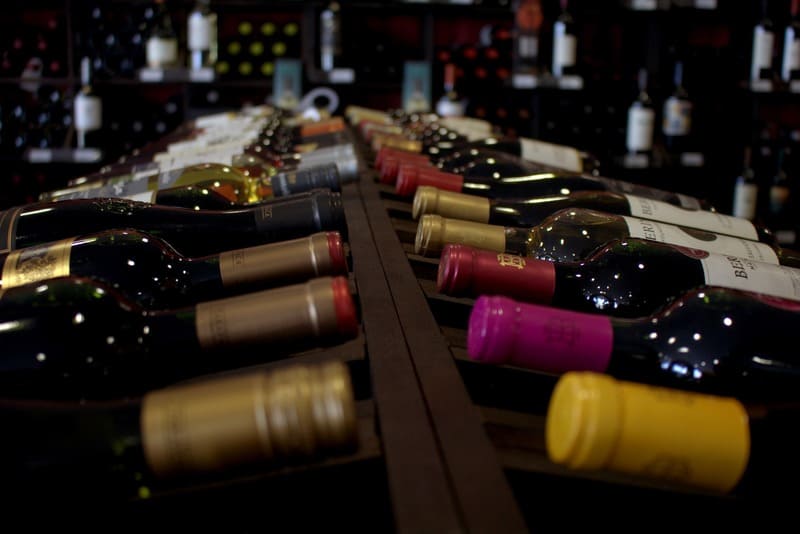
For many people, choosing a bottle of wine can feel overwhelming. A single wine shop may carry hundreds of options from dozens of regions, each made from different grape varieties and produced in a wide range of styles. For someone without extensive wine knowledge, deciding which bottle to try can feel like a guessing game.
Wine scores offered a simple solution.
A numerical rating allowed consumers to make a quick decision without needing to read long tasting notes or understand complex wine terminology. A 90-point wine became shorthand for “high quality,” giving shoppers a sense of confidence when making a purchase.
This was especially helpful in busy wine shops where customers might only have a few minutes to make a selection. A clearly displayed score on a shelf talker provided an easy signal that the wine had been well regarded by a critic.
For retailers and restaurants, scores also became a valuable sales tool. Bottles with strong ratings often attract attention more quickly, and consumers frequently gravitate toward wines that have been positively reviewed.
In fact, it’s not uncommon for a 92-point wine to sell significantly faster than an unrated bottle, even when the wines are similar in price and style.
Wineries quickly recognized the marketing power of high scores as well. A strong rating from a respected critic could boost a wine’s visibility, increase demand, and sometimes even raise its market value.
Over time, wine scores became deeply embedded in the industry—appearing on bottle labels, shelf displays, online wine retailers, and restaurant wine lists. For many drinkers, the score became the first thing they noticed when considering a bottle.
Yet while the simplicity of wine scores is part of what made them so successful, that same simplicity can also reveal their limitations.
The Limitations of Wine Scores
Despite their influence, wine scores are not without controversy. While they can provide a helpful snapshot of a critic’s opinion, a single number can never fully capture the complexity of a wine—or the personal experience of tasting it.
At its core, wine appreciation is subjective. Two people can taste the same wine and come away with very different impressions. One person might love a bold, powerful red with firm tannins, while another might prefer something lighter and more delicate.
Neither perspective is wrong—it simply reflects personal taste.
Wine is also deeply contextual. The way a wine shows can be influenced by factors such as temperature, glassware, the food it’s paired with, or even the setting in which it’s enjoyed. A wine that feels restrained when tasted alone might come alive when served alongside the right dish.
Scores, however, reduce all of that nuance to a single number.
Different critics also tend to favor different styles of wine. Some may gravitate toward rich, full-bodied wines with intense concentration, while others may prefer wines that emphasize elegance and restraint. As a result, the same wine might receive slightly different scores depending on who is evaluating it.
This highlights one of the most important things for wine lovers to remember: a high score does not automatically guarantee that you will personally enjoy the wine.
A critic’s score reflects their individual assessment of quality based on their experience, preferences, and tasting framework. While that perspective can be valuable, it doesn’t replace the importance of discovering what you enjoy.
For many wine enthusiasts, that journey of exploration—tasting different styles, regions, and grape varieties—is part of what makes wine so endlessly fascinating.
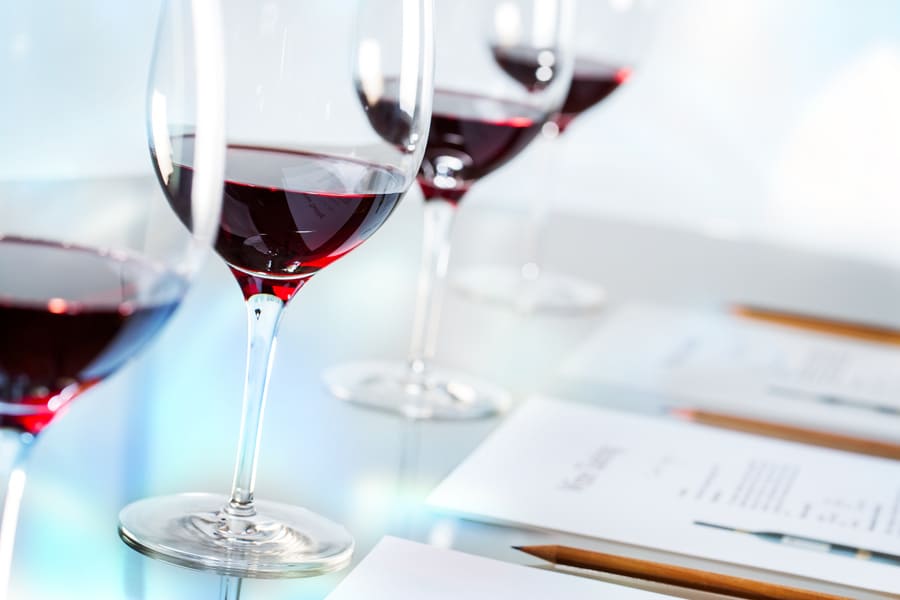
Understanding how critics evaluate wine can also deepen your own tasting experience. If you’d like to develop these skills, you can start with Wine Tasting 101: How to Taste Wine Like a Pro.

How Many Wine Professionals Use Scores Today
While wine scores remain widely recognized, the way many professionals talk about wine has gradually evolved.
Today’s wine culture is more curious and exploratory than it was several decades ago. Consumers are increasingly interested not only in how a wine scores, but also in where it comes from, how it was made, and the story behind it. Questions about vineyard practices, sustainability, and regional identity are now part of everyday wine conversations.
At the same time, the rise of the natural wine movement has encouraged a growing number of wine drinkers to explore wines that emphasize minimal intervention in the vineyard and cellar. These wines are often appreciated for their individuality and expression of place rather than for how well they fit into a traditional scoring framework.
In restaurants and wine bars, many sommeliers also focus less on numerical ratings and more on creating memorable experiences for guests. Instead of presenting a list of scores, they often guide diners toward wines that will complement the food, suit the occasion, and match a guest’s personal preferences.
Wine publications continue to publish scores, and many readers still find them useful. Publications such as Wine Enthusiast and Decanter regularly review wines using numerical ratings. At the same time, these publications increasingly emphasize in-depth articles about wine regions, producers, and trends, offering readers a richer context for understanding the wines they encounter.
In this evolving landscape, wine scores remain part of the conversation—but they are no longer the only way people evaluate and discover great bottles.
A Better Way to Think About Wine
Rather than focusing solely on a numerical score, many wine lovers find it more rewarding to approach wine with curiosity and a willingness to explore.
When choosing a bottle, there are many factors that can be just as helpful as a score. For example, you might consider:
- The style of wine you’re in the mood for
- The grape variety used to make the wine
- The region where the wine was produced
- How the wine might pair with food
- Your own personal taste preferences
These elements often provide a more meaningful guide than a single number.
When I evaluate a wine professionally, I focus on several key elements that help reveal its character and quality. In my article How I Evaluate a Wine, I talk about looking for qualities such as balance, structure, and the overall experience the wine delivers.
A wine doesn’t need a high score to be enjoyable. Sometimes the most memorable wines are simply those that feel harmonious, expressive, and well suited to the moment in which they’re being enjoyed.
Approaching wine in this way encourages exploration. It allows you to discover wines from unfamiliar regions, experiment with different styles, and develop a deeper understanding of what you personally enjoy.

Conclusion
Wine scores can certainly be helpful. They offer a quick reference point and can provide reassurance when choosing a bottle in a crowded wine shop. For many consumers, they remain a useful starting point.
But wine is ultimately far more complex—and far more interesting—than a single number can convey.
Some of the most memorable wines are discovered not because they carried the highest rating, but because someone took the time to explore, ask questions, or simply try something new.
If there is one lesson worth remembering, it is this: your own palate matters more than any score.
The more wines you taste, the more your preferences will begin to take shape. And that process of discovery—finding the wines that truly resonate with you—is one of the great pleasures of the wine journey.
So the next time you find yourself looking at a shelf of bottles marked with impressive scores, feel free to consider them—but don’t be afraid to follow your curiosity as well. The wine that surprises you may just become your new favorite. 🍷
Experience Wine Beyond the Score
Wine scores can offer helpful guidance, but nothing replaces developing your own palate. Through guided tastings and educational experiences, VinVirtuosa helps you explore wine with greater confidence and curiosity.