Introduction
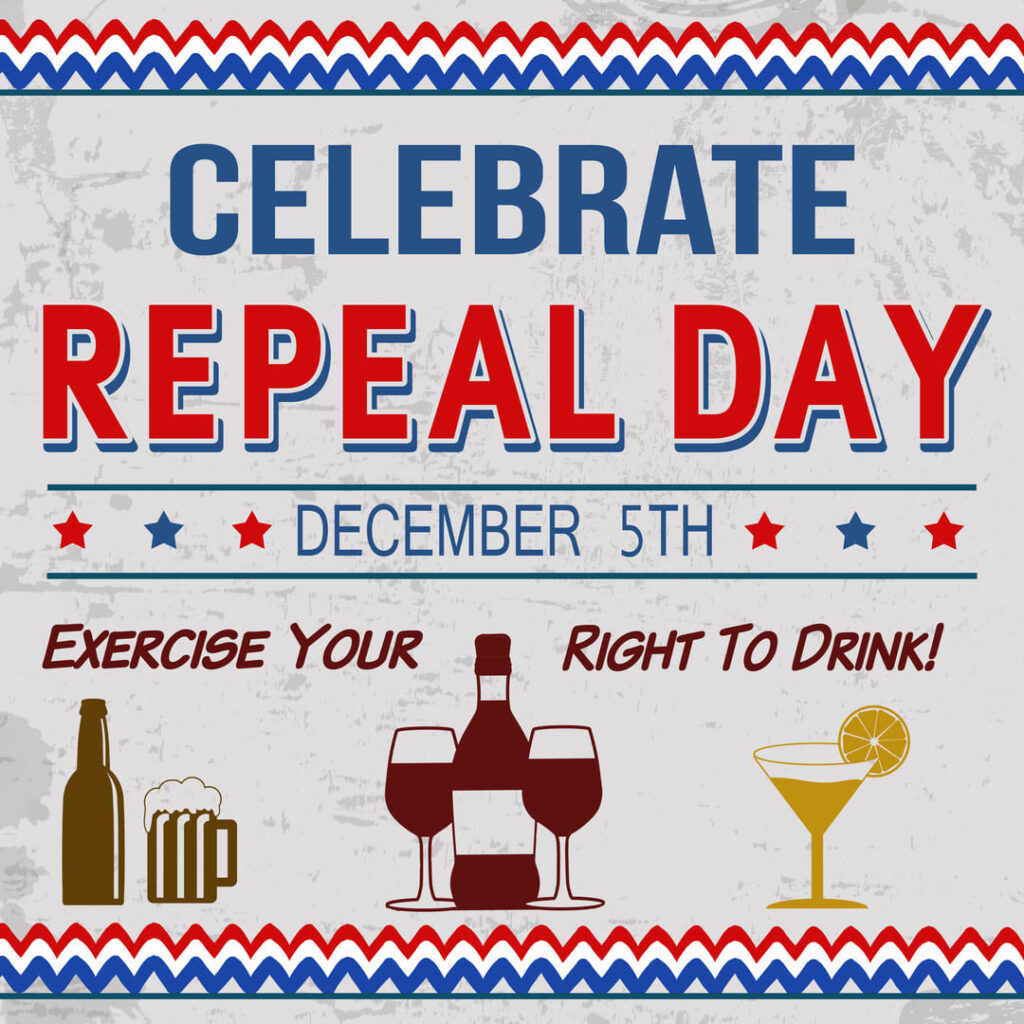
On December 5, 1933, glasses were raised, corks were popped, and a collective sigh of relief rippled across the United States. Prohibition, that tumultuous 13-year experiment in legislating morality, was over. The 21st Amendment had been ratified, repealing the 18th and officially ending a nationwide ban on the production, sale, and transportation of alcohol. For wine lovers, brewers, distillers, and anyone who appreciated the freedom to enjoy a drink, it was a day for celebration—a moment to savor newfound liberty.
Prohibition Repeal Day stands as a reminder of resilience and reinvention, not just for individuals but for entire industries that struggled to survive through more than a decade of legal dry spells. For the wine industry in particular, the repeal marked the beginning of a long road to recovery. Vineyards that had been uprooted, winemakers who had abandoned their craft, and traditions nearly lost forever began their journey back to prominence.
But Prohibition Repeal Day isn’t just a historical milestone; it’s a celebration of the human spirit and our innate ability to rebuild and adapt. It’s a day to honor the artistry of wine, the joy of shared toasts, and the resilience of communities that fought to preserve their passion for the vine, even in the face of legal adversity.
As we uncork a bottle to commemorate this day, we’re not just celebrating the end of Prohibition—we’re paying homage to the stories of survival, ingenuity, and revival that shaped the modern wine industry. So, let’s take a walk through history, from the fervor that fueled the Temperance Movement to the cheers that erupted on December 5, 1933, and the profound impact of those years on the wine we drink today.
The Origins of Prohibition
To understand the significance of Prohibition Repeal Day, we must first travel back to the early 19th century, a time when the United States was experiencing rapid industrialization, urbanization, and social upheaval. Amid this transformative period, alcohol became a symbol of both indulgence and societal decay. The origins of Prohibition are deeply rooted in the Temperance Movement, a moral and social crusade that sought to curb the consumption of alcohol in the name of public health, safety, and morality.
The Temperance Movement Takes Root
The Temperance Movement began modestly in the early 1800s, championed by religious and civic organizations that linked alcohol to crime, poverty, and the erosion of family values. Fueled by fiery sermons and persuasive pamphlets, the movement gained traction, painting alcohol as the scourge of American society.
- Key Players: The Women’s Christian Temperance Union (WCTU) and the Anti-Saloon League (ASL) became the driving forces behind the push for national prohibition. Armed with relentless advocacy and grassroots organizing, these groups transformed temperance from a personal virtue into a national cause.
- Moral Rhetoric: Campaigns often depicted alcohol as a destroyer of families, emphasizing the plight of women and children at the hands of abusive, drunken men. Slogans like “Lips that touch liquor shall not touch ours” became rallying cries.
The Road to the 18th Amendment
By the late 19th century, the Temperance Movement had evolved into a formidable political force, and its influence extended into state and national legislation.
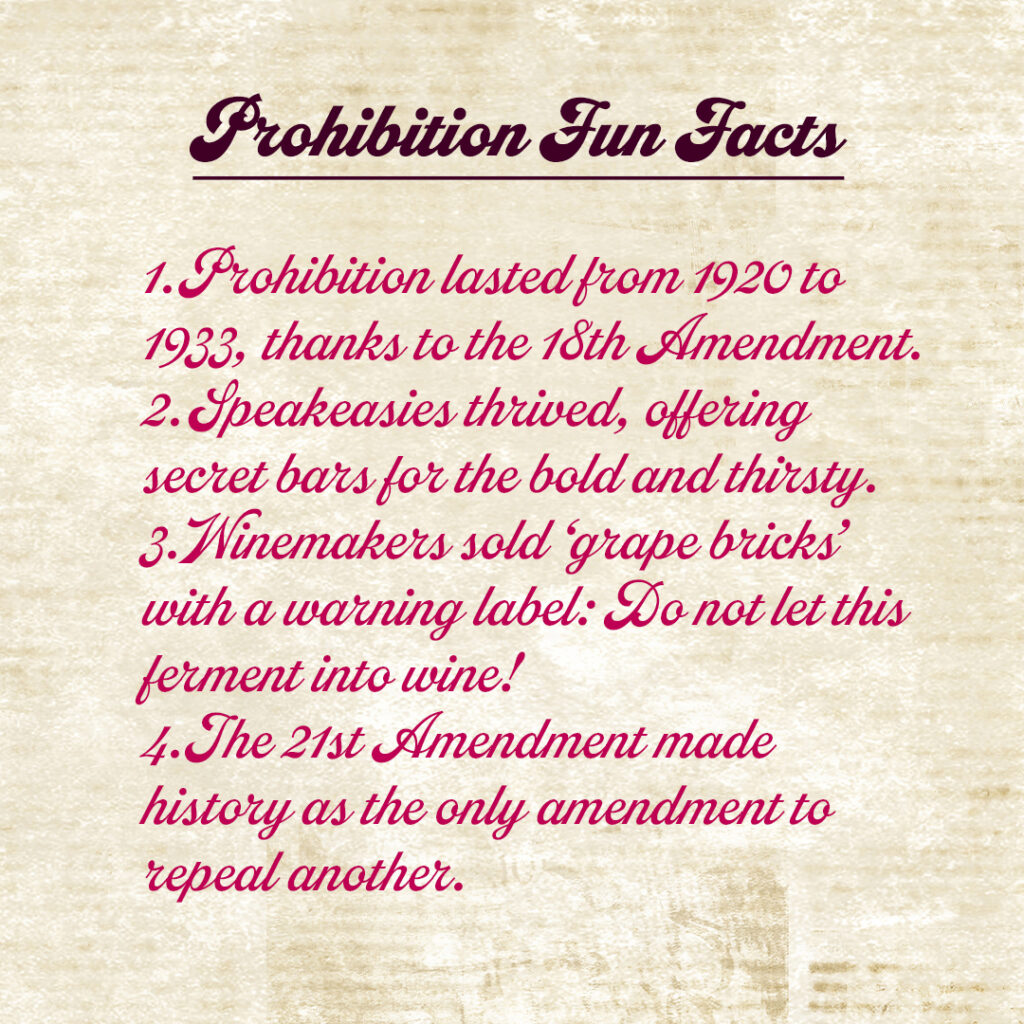
- The Volstead Act: The 18th Amendment, passed in 1919, was the legal cornerstone of Prohibition, banning the manufacture, sale, and transportation of alcoholic beverages. The Volstead Act, which followed, provided the framework for enforcement, defining “intoxicating liquors” as anything with more than 0.5% alcohol by volume.
- Support and Opposition: Rural America, religious groups, and progressives largely supported Prohibition, seeing it as a step toward a purer and more productive society. Conversely, urban areas, immigrants, and working-class communities often resisted, viewing it as an infringement on personal freedoms.
A Noble Experiment with Unintended Consequences
What supporters dubbed “The Noble Experiment” aimed to create a sober and harmonious society, but it quickly spiraled into chaos
- Rise of Organized Crime: Prohibition didn’t eliminate the demand for alcohol—it drove it underground. Speakeasies, bootleggers, and crime syndicates like Al Capone’s thrived, making illicit alcohol a lucrative business.
- Economic Impact: Breweries, distilleries, and wineries shuttered, throwing thousands out of work. Government revenue from alcohol taxes vanished, contributing to financial strain during the Great Depression.
Prohibition, rather than achieving its lofty goals, became a divisive and counterproductive policy. By the early 1930s, the public’s disillusionment with this failed experiment reached a tipping point, setting the stage for its repeal and the revival of industries, including winemaking, that had been left in ruins.
Impact on the Wine Industry
Prohibition didn’t just put a cork in America’s wine glasses—it upended an entire industry that had been blossoming in the late 19th and early 20th centuries. For wineries, winemakers, and grape growers, the 13-year ban on alcohol production, sale, and distribution was nothing short of devastating. While some vineyards adapted to survive, others were lost forever, leaving a lasting impact on the American wine landscape that can still be felt today.
The Pre-Prohibition Golden Age of Wine
Before Prohibition, the American wine industry was on the rise. California, in particular, was emerging as a hub for quality winemaking, with regions like Napa Valley, Sonoma, and Santa Clara gaining recognition. Immigrant winemakers from Italy, France, and Spain brought expertise and traditions, contributing to a growing domestic appreciation for wine.
- Burgeoning Success: By the early 20th century, the United States boasted over 2,500 wineries. Wine culture was beginning to take root in urban areas and among middle-class Americans.
- Grape Varietals: Vineyards cultivated a diversity of grape varietals, from Zinfandel and Petite Sirah to Riesling and Chardonnay, laying the foundation for the country’s rich winemaking tradition.
The Prohibition Era: Grapes of Wrath
When Prohibition took effect in 1920, it devastated the wine industry. While breweries and distilleries could shift to producing non-alcoholic beverages, winemakers faced more complex challenges.
- Uprooting Vineyards: Many vineyards were destroyed or converted to produce table grapes, juice grapes, or other crops. Wine-specific varietals were replaced with thick-skinned varieties like Alicante Bouschet, better suited for shipping and eating than winemaking.
- A Shift to Sacramental and Medicinal Wine: Loopholes in the law allowed wineries to produce small amounts of wine for religious ceremonies or medicinal purposes. This lifeline kept a handful of vineyards alive, but often at the cost of producing lower-quality wine.
- Fun Fact: During Prohibition, the number of “clergy” applying for wine permits skyrocketed!
- The Home Winemaking Boom: Another loophole allowed households to produce up to 200 gallons of wine per year for personal use. This led to a surge in grape shipments across the country, fueling an underground winemaking culture. However, the quality of these homemade wines was often inconsistent.
Cultural and Economic Damage
The effects of Prohibition on the wine industry were profound and far-reaching:
- Loss of Expertise: Many skilled winemakers left the profession, taking their knowledge with them. The fine art of winemaking deteriorated, and it took decades to rebuild.
- Diminished Diversity: Varietals that required care and skill to cultivate and vinify disappeared from American vineyards, replaced by high-yield, less desirable grapes.
- Economic Hardship: Thousands of jobs were lost as wineries shut their doors. Regions that relied on the wine industry faced financial ruin.
Ennduring Consequences
Even after Prohibition was repealed in 1933, the wine industry didn’t bounce back overnight.
- Post-Repeal Struggles: Wineries had to start from scratch, replanting vineyards, retraining workers, and convincing a wary public to rediscover wine.
- Regulatory Legacy: Prohibition left behind a complex web of alcohol laws, including the three-tier system of distribution, which still shapes the wine industry today.
- A Shift in Tastes: Prohibition fostered a preference for spirits and fortified wines like port and sherry, which dominated the market for years after repeal.
Despite these challenges, the wine industry’s story is one of resilience. Prohibition forced innovation, sparked an underground wine culture, and set the stage for the modern renaissance of American winemaking. Today, the industry is stronger than ever, a testament to its ability to adapt and thrive in the face of adversity.
Stories of Survival: Vineyards That Endured Prohibition
While many wineries succumbed to the hardships of Prohibition, a handful managed to survive by adapting creatively to the restrictions of the time. These stories of resilience and ingenuity showcase the determination of winemakers to preserve their craft against all odds.
Beaulieu Vineyard: A Holy Strategy
One of the most notable survivors of Prohibition was Beaulieu Vineyard (BV) in Napa Valley, founded in 1900 by French immigrant Georges de Latour. When the 18th Amendment took effect, de Latour secured a contract to produce sacramental wine for the Catholic Church. This legal loophole allowed Beaulieu Vineyard to keep its operations running throughout Prohibition.
- Key to Success: De Latour’s focus on maintaining quality, even during difficult times, ensured that Beaulieu was well-positioned to thrive after Prohibition ended.
- Legacy: When Repeal Day arrived, BV was among the few wineries prepared to resume producing high-quality table wines, and it remains a cornerstone of Napa Valley winemaking today.
Wente Vineyards: Adapting to New Tastes
Founded in 1883, Wente Vineyards in Livermore Valley also found a way to navigate Prohibition’s challenges. While wine production largely ceased, the Wente family shifted focus to selling grapes for home winemaking, which was still permitted under the law.
- The Home Winemaking Market: By shipping their grapes across the country, Wente Vineyards tapped into a burgeoning underground culture of home winemaking. This not only kept the business afloat but also helped maintain the family’s connection to winemaking traditions.
- Legacy of Innovation: Wente Vineyards used the downtime to experiment with new grape clones, including their now-famous Chardonnay clone, which would become a hallmark of American winemaking post-Prohibition.
Charles Krug Winery: A Sacramental Lifeline
The oldest winery in Napa Valley, Charles Krug Winery, also turned to sacramental wine production to weather the Prohibition years. Under the leadership of Cesare Mondavi, who purchased the property in the late 1940s, the winery became a hub for revitalizing Napa’s wine industry after the repeal.
- The Mondavi Influence: The Mondavi family would later become one of the most influential names in American wine, with Robert Mondavi helping to elevate Napa Valley to global prominence in the mid-20th century.
- Prohibition’s Silver Lining: By staying operational, Charles Krug Winery preserved its vineyards and infrastructure, giving it a head start when the industry began to recover.
A Legacy of Grit and Innovation
These stories highlight the resourcefulness of the wineries that survived Prohibition. Whether through sacramental wine, grape sales, or sheer determination, these pioneers preserved the foundations of the American wine industry, enabling its eventual resurgence. Their legacy serves as a reminder of the enduring spirit of winemakers and the passion that continues to drive the industry forward.
The Repeal of Prohibition
After 13 long years, the era of Prohibition officially came to an end on December 5, 1933, with the ratification of the 21st Amendment. Known as Repeal Day, this moment marked the only time in U.S. history that a constitutional amendment was entirely overturned. The story of how Prohibition was repealed is one of public disillusionment, economic desperation, and the rediscovery of personal freedoms.
The Public Turns Against Prohibition
While Prohibition was initially championed as a moral crusade to improve society, it quickly became clear that the policy had far-reaching negative consequences.
- Economic Impact: The loss of alcohol tax revenue, which had once constituted a significant portion of federal income, was a severe blow, especially as the Great Depression took hold in 1929. States and the federal government were desperate for new sources of income.
- Crime Wave: Prohibition fueled the rise of organized crime, with gangsters like Al Capone dominating headlines. Bootlegging, speakeasies, and illicit distilleries created a thriving black market, making law enforcement efforts seem futile.
- Public Discontent: Many Americans resented the restrictions on their personal freedoms. Even those who had supported Prohibition began to question its effectiveness as the societal problems it sought to solve only worsened.
The Role of Women in Repeal
Interestingly, women, who had been instrumental in the Temperance Movement, also played a key role in its repeal. Groups like the Women’s Organization for National Prohibition Reform (WONPR) argued that Prohibition had failed to protect families and had instead fostered lawlessness and corruption. Their voices added credibility to the growing repeal movement.
The Political Push for Repeal
The Great Depression created a critical turning point. Repealing Prohibition would not only restore personal freedoms but also reinvigorate the economy.
- The Roosevelt Factor: Franklin D. Roosevelt made Prohibition repeal a central part of his 1932 presidential campaign, famously declaring, “I think this would be a good time for a beer.” His victory signaled a shift in national priorities.
- The 21st Amendment: The amendment to repeal Prohibition was introduced in Congress in February 1933 and swiftly ratified by December of the same year. This was achieved through state ratifying conventions rather than state legislatures, a rare process chosen to expedite approval.
The Celebration of Repeal Day
When Prohibition ended, the nation erupted in celebration. Bars reopened, corks popped, and Americans toasted to the return of legal alcohol.
- Economic Revival: The alcohol industry sprang back to life, creating jobs and generating much-needed tax revenue.
- Resurgence of Wine: Wineries that had survived Prohibition were able to rebuild, though it would take decades for the industry to fully recover.
A Complex Legacy
While the repeal of Prohibition is often celebrated as a victory for freedom and common sense, it left a lasting legacy of regulation:
- The Three-Tier System: Prohibition’s repeal established a framework of alcohol distribution that persists today, with separate entities handling production, distribution, and retail.
- Dry Counties: Even after repeal, some states and counties chose to remain “dry,” maintaining local prohibitions on alcohol sales.
The repeal of Prohibition was a pivotal moment in American history, demonstrating the power of public opinion and the resilience of industries like winemaking. Today, Repeal Day serves as a reminder of the enduring fight for balance between regulation and freedom
Celebrations Erupt Across the Nation
The repeal of Prohibition on December 5, 1933, wasn’t just the end of an unpopular law—it was a cause for unrestrained jubilation. Across the United States, people poured into the streets to toast their newfound freedom. Bars and breweries reopened their doors almost immediately, transforming the day into one of the most spirited celebrations in American history.
Spontaneous Revelry
As news of the 21st Amendment’s ratification spread, cities became scenes of impromptu parties.
- New York City: In Manhattan, crowds flocked to speakeasies that no longer needed to hide behind false walls or coded knocks. Bartenders worked overtime to pour pints and mix cocktails for cheering patrons. Times Square became the epicenter of a wild celebration, with revelers dancing and singing late into the night.
- Chicago: Long associated with the bootlegging exploits of Al Capone, Chicago embraced repeal with gusto. Breweries that had lain dormant for over a decade fired up their kettles, and bars threw open their doors to throngs of eager customers.
- San Francisco: On the West Coast, San Franciscans gathered in public squares and saloons, raising glasses of wine, beer, and spirits. The city’s vibrant bar culture roared back to life.
Breweries and Wineries Swing Back to Life
For breweries and wineries, Repeal Day was a moment of vindication and rebirth. Many had prepared in anticipation of the 21st Amendment’s ratification, ensuring they could meet demand as soon as the law changed.
- Anheuser-Busch’s Big Bet: The St. Louis-based brewery, which had survived Prohibition by producing non-alcoholic beverages and “near beer,” celebrated the repeal with the release of its iconic Clydesdale horses, which paraded through the streets as a marketing stunt to announce that Budweiser was back.
- Wineries Toast the Future: In California, surviving wineries like Beaulieu Vineyard and Wente Vineyards celebrated with their communities, marking the end of a dark chapter and the beginning of a hopeful future for American wine.
The Role of Bars and Speakeasies
Bars and speakeasies that had operated in the shadows for 13 years finally stepped into the light.
- Speakeasies Go Legit: Establishments like New York’s famed 21 Club, which had become an institution during Prohibition, reopened legally, serving as symbols of the transition from the underground to the mainstream.
- Iconic Cocktails Return: Classic cocktails like the Manhattan, Old Fashioned, and French 75 once again graced menus as bartenders reclaimed their craft.
The Emotional Impact of Repeal Day
Beyond the toasts and cheers, Repeal Day carried an emotional weight for many Americans.
- Freedom Restored: After years of restrictions, people felt liberated to enjoy simple pleasures like sharing a drink with friends or raising a glass at family gatherings.
- Hope Amid the Depression: The repeal of Prohibition also offered a glimmer of optimism during the Great Depression, signaling a return to normalcy and a potential economic boost.
Celebrations Today
Repeal Day remains a lesser-known holiday but is increasingly celebrated by craft breweries, wineries, and bars across the country
- Special Events: Many establishments honor the day with themed parties, 1930s-inspired cocktails, and vintage attire.
- A Growing Tradition: Wine lovers, brewers, and distillers alike have embraced December 5 as a day to reflect on the resilience of their industries and the enduring joy of a good drink.
Repeal Day wasn’t just a victory for the beverage industry—it was a moment of cultural renewal. It marked the return of legal libations and reminded the nation of the value of personal freedoms and shared experiences.
The Revival of the Wine Industry
The repeal of Prohibition in 1933 marked a new beginning for the American wine industry, but the road to recovery was far from smooth. Prohibition had decimated vineyards, disrupted generational expertise, and shifted consumer preferences. Still, the resilience of winemakers and a burgeoning interest in wine culture paved the way for the industry’s revival.
Challenges Post-Prohibition
Prohibition left the wine industry in disarray, and rebuilding was a monumental task:
- Lost Vineyards: Many vineyards had been abandoned or replanted with low-quality grapes used for sacramental wine or home winemaking. These varieties, like Alicante Bouschet, lacked the complexity and finesse needed for fine wine production.
- Erosion of Expertise: A generation of winemakers had been lost, with many artisans either retiring or leaving the trade altogether. The gap in knowledge and skills was a major obstacle to producing high-quality wines.
- Regulatory Hurdles: The newly established three-tier distribution system—separating producers, distributors, and retailers—created logistical and financial challenges for wineries.
- Changing Tastes: Years of Prohibition had shifted American drinking habits towards spirits and beer, leaving wine as a niche product. The industry faced the uphill battle of convincing consumers to embrace wine again.
Seeds of Recovery
Despite the challenges, several factors and key players helped spark the revival of American winemaking:
- The Gallo Brothers: Ernest and Julio Gallo founded E. & J. Gallo Winery in 1933, just as Prohibition ended. They focused on affordable, mass-produced wines, making wine accessible to everyday Americans and reintroducing the beverage to the national consciousness.
- Educational Efforts: Wineries and universities began investing in viticulture research and education. The establishment of enology programs, particularly at the University of California, Davis, helped train a new generation of winemakers.
- Wine Competitions: Regional fairs and wine competitions celebrated the best of American winemaking, fostering pride and encouraging quality improvements.
The Napa Valley Renaissance
California’s Napa Valley played a pivotal role in the wine industry’s resurgence:
- The Mondavi Legacy: In 1943, Cesare Mondavi purchased the historic Charles Krug Winery, setting the stage for his son Robert to later elevate Napa Valley to international prominence. Robert Mondavi became a visionary leader, advocating for quality over quantity and pioneering techniques that would define modern winemaking.
- Rutherford Dust: Pioneers in Napa, including André Tchelistcheff of Beaulieu Vineyard, began emphasizing terroir and vineyard-specific wines, introducing Americans to the concept of fine wine.
The Judgement of Paris
One of the defining moments in the revival of the American wine industry came decades after repeal: the 1976 Judgment of Paris, a blind tasting where California wines outperformed French wines in both red and white categories.
- Impact: This event validated American winemaking on the global stage, inspiring a surge of investment, tourism, and interest in Napa Valley and beyond.
The Rise of Regional Wine Cultures
While Napa Valley led the charge, other regions across the U.S. began to develop their own wine cultures:
- The Pacific Northwest: Washington and Oregon emerged as leaders in producing world-class wines, particularly Rieslings and Pinot Noirs.
- The East Coast: Regions like the Finger Lakes in New York gained recognition for their cool-climate varietals, such as Riesling and Gewürztraminer.
- Emerging States: States like Texas and Virginia contributed to a growing tapestry of American wine, proving that quality winemaking was not limited to California.
The Industry Today
Today, the American wine industry is a thriving, multi-billion-dollar enterprise, thanks to the perseverance of those who rebuilt it after Prohibition. The focus on quality, innovation, and sustainability has made the U.S. one of the world’s leading wine producers, with regions and varietals to suit every palate.
The revival of the wine industry is a testament to the resilience of winemakers and their ability to adapt, innovate, and inspire. From the ashes of Prohibition, they created a legacy that continues to grow, sip by sip.
Watch the Video on YouTube
Celebrating Prohibition Repeal Day Today
Prohibition Repeal Day on December 5th has transformed from a historical footnote into a spirited occasion to toast the freedoms restored by the 21st Amendment. While it may not be a widely recognized holiday, it offers a unique opportunity to honor the resilience of the wine, beer, and spirits industries and the cultural significance of enjoying a drink in good company.
Raising a Glass to History
Many enthusiasts commemorate Repeal Day by indulging in classic cocktails, craft beers, or fine wines, often with a nod to the Prohibition era:
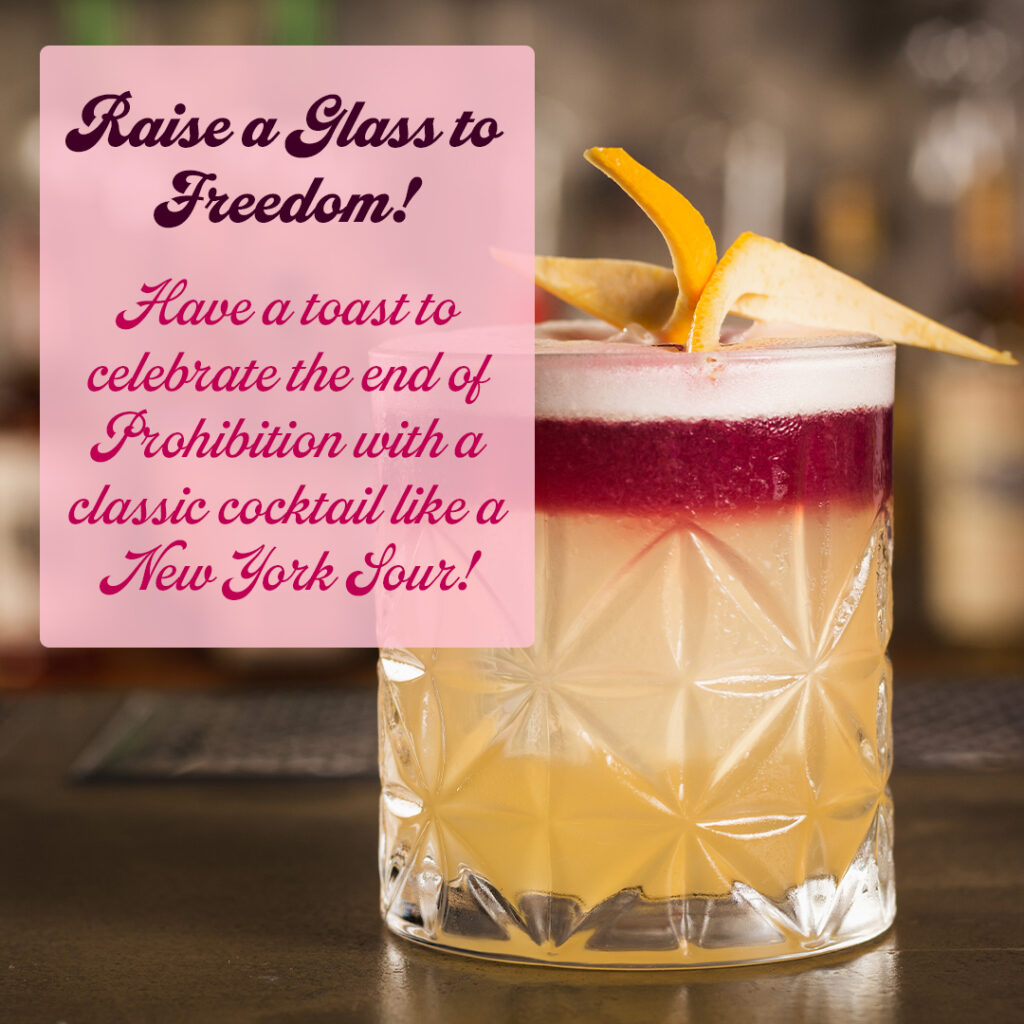
- Prohibition-Era Cocktails: Drinks like the Old Fashioned, Bee’s Knees, and French 75 are favorites for Repeal Day celebrations. These cocktails, popular during the 1920s and 1930s, pay homage to the ingenuity of bartenders during Prohibition.
- Toast with Wine: Wine lovers often celebrate by exploring wines from historic vineyards that survived Prohibition, such as Beaulieu Vineyard or Wente Vineyards. Hosting a wine tasting featuring both Old and New World wines adds a modern twist.
Speakeasy Parties and Themed Events
Bars, wineries, and breweries across the country embrace Repeal Day by hosting themed events:
- Speakeasy Nights: Many establishments transform into speakeasies for the evening, complete with secret entrances, jazz music, and Prohibition-era dress codes. Patrons can experience the glamour and intrigue of a bygone era.
- Winery Celebrations: Some wineries mark the occasion with special releases, tastings, or educational tours that delve into their history during and after Prohibition.
- Cocktail Competitions: Bartenders and mixologists showcase their creativity with competitions to craft the best Prohibition-inspired drinks.
Celebrating at Home
For those who prefer a cozy celebration, hosting a Repeal Day gathering at home is a great way to honor the occasion:
- DIY Cocktails and Pairings: Set up a cocktail-making station with recipes and ingredients for Prohibition-era drinks. Pair them with foods inspired by the Roaring Twenties, such as finger sandwiches, deviled eggs, or oysters.
- Wine Flight Night: Select a lineup of wines with a story—perhaps a mix of modern California wines and imported varietals that would have been rare during Prohibition. Include wines from historic American wineries for a full-circle experience.
- Screening Classic Films: Add ambiance by screening films set in the Prohibition era, such as The Great Gatsby or Boardwalk Empire.
Reflecting on Freedom and Resilience
Beyond the festivities, Repeal Day offers a moment to reflect on the cultural and economic freedoms restored by the 21st Amendment:
- Honoring the Industry’s Comeback: Take time to appreciate the craftsmanship and innovation that rebuilt the wine and spirits industries after Prohibition.
- Supporting Local Producers: Celebrate the day by supporting local wineries, breweries, and distilleries, which are the modern torchbearers of the industry’s legacy.
A Growing Tradition
In recent years, Repeal Day has gained momentum as a day to recognize and celebrate America’s unique relationship with alcoholic beverages. Whether through grand public events or intimate gatherings, the holiday invites people to honor the past, savor the present, and toast to the future.
As you raise your glass this December 5th, take a moment to think about the people and stories behind that sip—those who endured and persevered so that we can enjoy the freedom of sharing a drink together. Cheers to Repeal Day!
Conclusion
Prohibition Repeal Day is more than just an occasion to enjoy a glass of wine or a well-crafted cocktail. It’s a day to reflect on a pivotal moment in American history—when the 21st Amendment restored not just the right to produce and consume alcohol, but also the cultural, economic, and social freedoms that come with it.
The story of Prohibition is a tale of resilience and adaptation. It’s about the vineyards that found a way to survive, the individuals who preserved winemaking traditions, and the communities that rebuilt an industry from the ground up. It’s a reminder of how adversity can lead to innovation, and how cherished customs can weather even the harshest storms.
Today, as we sip wines from Napa Valley, Washington, Oregon, and beyond, we honor the legacy of those who fought to revive an industry devastated by a 13-year drought. Whether you celebrate with a glass of wine from a historic vineyard, a Prohibition-era cocktail, or a toast among friends, Repeal Day is a celebration of resilience, freedom, and the joy of savoring life’s simple pleasures.
So this December 5th, raise your glass high. Celebrate the past, savor the present, and toast to the future. Cheers to the freedom to enjoy wine, the artistry of winemakers, and the enduring spirit of those who kept the industry alive. Here’s to Prohibition Repeal Day!