

Why Celebrate Furmint?
“Ever heard of Furmint? It’s time to meet the grape that’s quietly redefining white wine.”
Imagine discovering a grape that combines the crispness of Sauvignon Blanc, the complexity of Riesling, and the richness of Chardonnay—all while offering something entirely its own. Enter Furmint: Hungary’s gift to the wine world and a hidden gem waiting to be uncorked.
Furmint isn’t just a grape; it’s a story. A story of resilience, tradition, and a wine culture that dates back centuries. From the rolling hills of Tokaj, Hungary’s most celebrated wine region, Furmint has been the backbone of some of the world’s most iconic wines. You might already know its sweet side from the luxurious Tokaji Aszú—once called the “Wine of Kings, King of Wines.” But there’s more to Furmint than sweetness. In recent years, its dry expressions have taken the wine world by storm, showing off a vibrant, mineral-driven personality that’s redefining modern white wines.
So why does Furmint deserve its own day?
February 1st isn’t just a date; it’s a celebration of a grape that has shaped Hungary’s winemaking heritage and is now making waves internationally. Established to raise awareness and appreciation for Furmint, this day is a chance for wine lovers everywhere to discover its incredible versatility. Whether you’re savoring a glass of crisp, citrusy dry Furmint or indulging in the honeyed decadence of a sweet Tokaji, Furmint Day invites you to explore a grape that embodies tradition while embracing innovation.
Hungary has long been a cradle of unique and exceptional wines, and Furmint stands at the heart of its vinous identity. For centuries, Hungarian winemakers have lovingly cultivated Furmint, crafting wines that reflect the terroir’s volcanic soils and cool continental climate. The result? Wines that shimmer with acidity, elegance, and a profound sense of place.
On Furmint Day, we celebrate not only the grape but also the rich tapestry of Hungarian culture and the dedicated winemakers who have kept this tradition alive. So pour yourself a glass, toast to this remarkable grape, and join the growing chorus of voices championing Furmint as the next big thing in wine.
Let’s dive in and uncover why Furmint is the white wine revolution you didn’t know you needed!

What is Furmint?
Furmint is more than just a grape—it’s a revelation. Grown primarily in Hungary, where it plays a starring role in the country’s storied winemaking history, Furmint has quietly evolved from a regional treasure to an international sensation. Its versatility, complexity, and sheer charm make it a grape worth knowing and celebrating
A Grape with Roots in History
Furmint’s origins are deeply intertwined with the Hungarian wine tradition, particularly in the Tokaj region, where it has been cultivated for centuries. First documented in the 16th century, Furmint is believed to have evolved naturally in the Carpathian Basin, adapting perfectly to Hungary’s volcanic soils and unique climate. Today, it’s the foundation of the country’s most famous wines, including the legendary Tokaji Aszú, one of the world’s oldest botrytized sweet wines.
But Furmint’s identity goes beyond its historical importance. It’s a grape of duality, capable of producing wines that are polar opposites yet equally compelling. On the one hand, you have the dry Furmints—zesty, mineral-laden, and refreshingly modern. On the other, the sweet Furmints, epitomized by Tokaji Aszú, are lush, honeyed, and timeless. This versatility is why Furmint is often referred to as Hungary’s most noble white grape.
A Winemaker’s Dream
Furmint is a late-ripening variety, which means it benefits from a long growing season. This extended time on the vine allows it to develop complex flavors while maintaining its signature high acidity. It’s also highly expressive of terroir, meaning the characteristics of the soil, climate, and vineyard management shine through in the wine. Whether grown on volcanic soils in Tokaj or on loess and clay in other Hungarian regions, Furmint delivers wines with unique and compelling profiles.
What makes Furmint truly special is its adaptability. It can thrive in a variety of styles:
- Dry Furmint: These wines are crisp and vibrant, with a backbone of acidity that supports flavors of green apple, lime, pear, and stone fruit. Minerality often takes center stage, giving these wines a steely elegance.
- Sweet Furmint (Tokaji Aszú): When botrytis cinerea, or “noble rot,” affects the grapes, they are transformed into golden, luscious gems. These wines are rich with notes of apricot, orange marmalade, honey, and caramel, balanced by a zippy acidity that keeps them from being cloying.
A Rising Star on the Global Stage
While Furmint has long been a cornerstone of Hungarian winemaking, its potential is now being recognized on an international scale. In recent decades, winemakers have embraced modern techniques to craft dry Furmints that are stunningly fresh and food-friendly. These wines are earning accolades for their quality, affordability, and ability to rival more well-known varieties like Riesling or Sauvignon Blanc.
Beyond Hungary, Furmint is making small but significant inroads into Austria, Slovenia, and even South Africa, where adventurous winemakers are experimenting with this underdog variety. The result? A grape that’s quietly but confidently stepping into the global spotlight.
A Grape with a Story to Tell
Ultimately, Furmint is about more than just wine. It’s a symbol of Hungary’s resilience and innovation. Whether you’re sipping a crisp dry Furmint with a plate of seafood or indulging in a golden glass of Tokaji Aszú alongside a slice of apple strudel, you’re experiencing a piece of history, terroir, and artistry in every sip.
This February 1st, take a moment to raise a glass to Furmint—a grape that’s as intriguing as it is delicious. It’s time to celebrate its past, present, and future as one of the wine world’s most exciting discoveries.
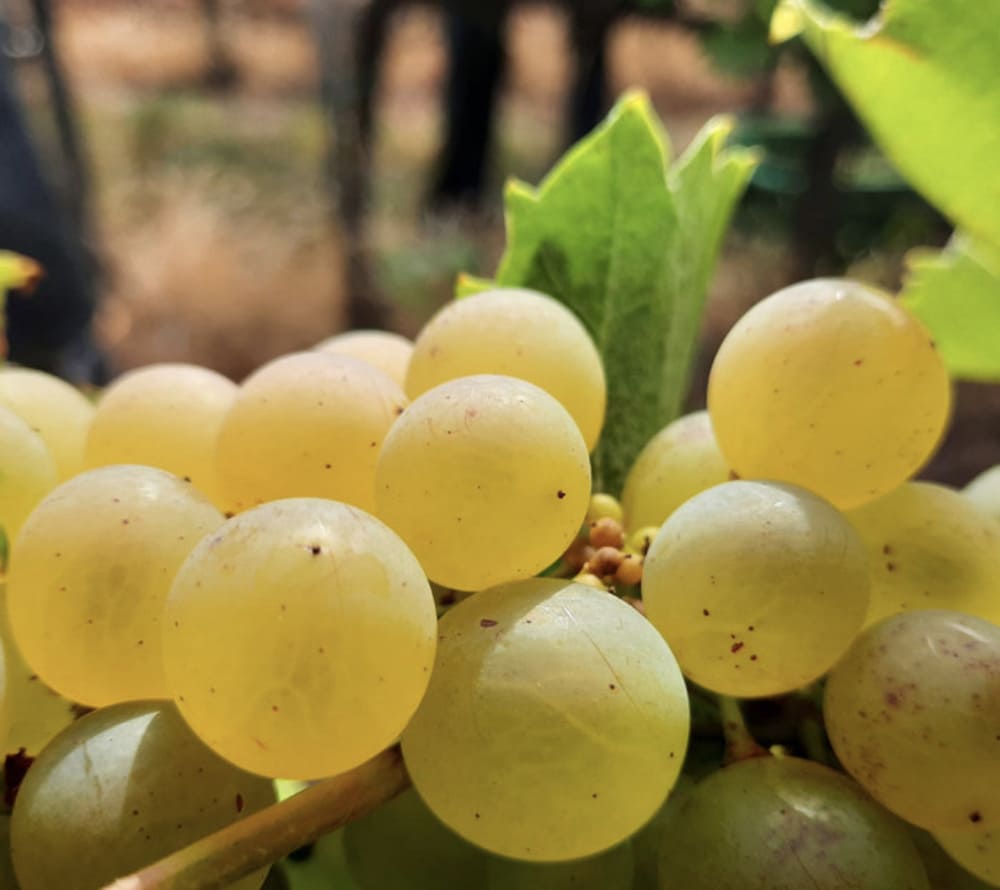
The Flavor Profile of Furmint
Furmint is a grape of incredible versatility, offering a spectrum of flavors and textures that can appeal to almost any palate. Whether you’re in the mood for a refreshing dry white wine or a luscious sweet treat, Furmint delivers with its signature high acidity and ability to reflect terroir. Let’s explore what makes this grape’s flavor profile so extraordinary.
Dry Furmint: Elegance and Energy in a Glass
When vinified as a dry wine, Furmint is all about freshness, precision, and purity of flavor. It’s a wine that dances on the palate, offering a bright, zesty experience that’s hard to forget.
- Crisp Acidity: The hallmark of dry Furmint is its razor-sharp acidity, which gives the wine a refreshing quality and makes it exceptionally food-friendly.
- Green Apple and Quince: At the heart of dry Furmint’s flavor profile are bright, tangy fruit notes. Think of biting into a crisp green apple or the delicate, aromatic sweetness of quince.
- Lime and Citrus Zest: A burst of lime, lemon, or even grapefruit often shines through, adding a lively, citrusy edge that keeps the wine vibrant.
- Minerality: Dry Furmints often carry a stony, flinty quality, reflecting the volcanic soils of Tokaj. This mineral backbone gives the wine a sophisticated, almost saline edge.
Dry Furmint strikes a beautiful balance between fruit, acid, and earthiness, creating wines that are as complex as they are approachable. It’s no wonder sommeliers and wine enthusiasts alike are singing its praises.
Sweet Furmint: A Symphony of Decadence
Furmint’s sweet expressions, particularly in the form of Tokaji Aszú, are nothing short of legendary. These wines are a labor of love, made from grapes affected by botrytis (noble rot) that concentrates their sugars and flavors into golden, honeyed perfection.
- Honeyed Apricot and Peach: Sweet Furmint opens with luscious stone fruit flavors, reminiscent of ripe apricots drizzled with wildflower honey.
- Orange Zest and Marmalade: A bright citrus note often weaves through the sweetness, bringing balance and a hint of vibrancy to the wine.
- Dried Fruits and Nuts: Over time, sweet Furmints can develop complex layers of dried fig, golden raisins, and toasted almonds, adding depth to their profile.
- Caramel and Butterscotch: Aged sweet Furmints often exhibit rich, indulgent flavors like caramel, toffee, and butterscotch, making them irresistible dessert wines.
These wines are rich and luxurious yet never cloying, thanks to Furmint’s naturally high acidity.
The Secret Ingredient: High Acidity
The key to Furmint’s success in both dry and sweet styles lies in its remarkable acidity. This natural trait does more than just make the wines refreshing—it serves as a backbone that supports all the flavors and keeps the wine balanced.
- In Dry Furmints: The acidity acts like a squeeze of lime over a perfectly prepared dish, highlighting the wine’s fruit and mineral notes while cleansing the palate with every sip. This makes dry Furmints incredibly versatile with food, from shellfish to creamy risottos.
- In Sweet Furmints: Acidity is what sets sweet Furmint wines apart from other dessert wines. It counterbalances the richness of the sugars, preventing the wine from feeling heavy or syrupy. Instead, it creates a harmony where sweetness and brightness coexist, making these wines endlessly enjoyable.
A Grape of Contrasts and Complements
The beauty of Furmint lies in its ability to be both vibrant and decadent, austere yet indulgent. Whether you’re savoring a zippy, mineral-driven dry wine on a warm afternoon or indulging in the golden nectar of a Tokaji Aszú after dinner, Furmint offers a flavor journey that’s as versatile as it is unforgettable.
This dual personality makes Furmint a grape for all occasions, a wine that can elevate a simple meal or stand shoulder-to-shoulder with the finest celebratory vintages. Raise your glass and toast to Furmint—a grape that truly has it all!
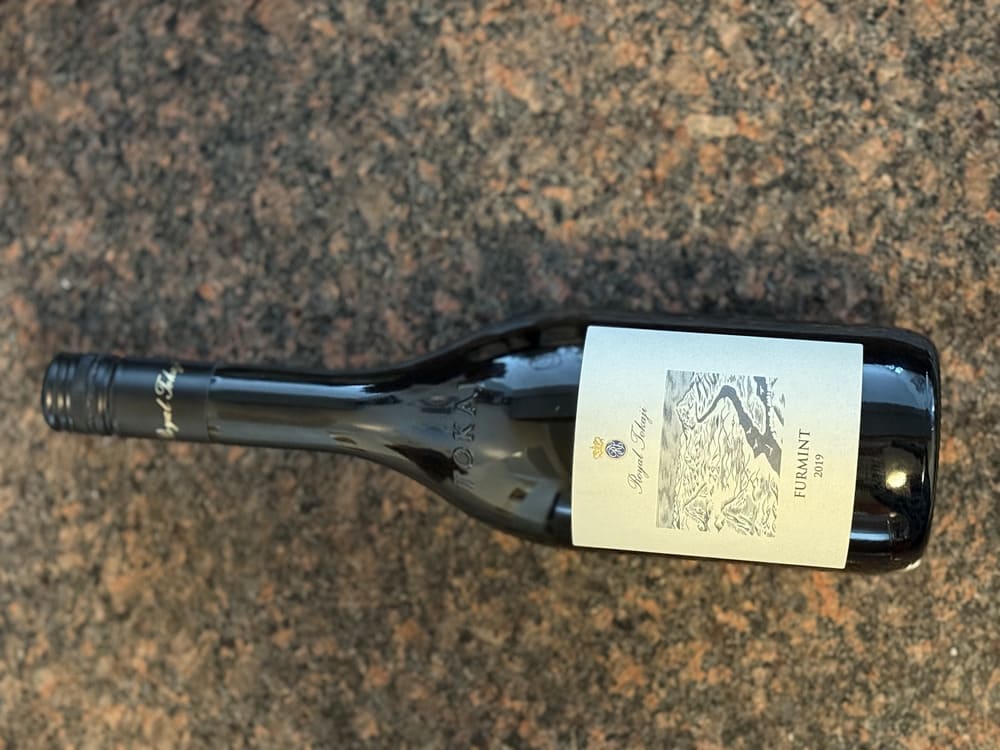
Regions Producing Furmint
Furmint’s spiritual home is Hungary, specifically the Tokaj region, where its story has been written for centuries. But as its reputation grows, so does its reach. Today, Furmint is making waves not only in its homeland but also in neighboring countries and even further afield, showcasing its versatility and adaptability. Let’s take a tour of the key regions putting this remarkable grape on the map.
Tokaj, Hungary: The Cradle of Furmint
Tokaj (pronounced “Toe-kay”) is synonymous with Furmint. Nestled in northeastern Hungary, this UNESCO World Heritage wine region has been producing world-class wines for over 500 years, with Furmint as its backbone.
- The Landscape: Tokaj’s volcanic soils, combined with a unique microclimate influenced by nearby rivers, create ideal conditions for Furmint to thrive. The region’s cool nights and warm days allow the grapes to ripen slowly, building flavor complexity while retaining acidity.
- Furmint’s Versatility in Tokaj:
- Dry Wines: Tokaj’s dry Furmints are a relatively modern innovation, but they’ve quickly gained international acclaim. These wines are crisp, mineral-driven, and food-friendly, embodying the essence of terroir.
- Sweet Wines: Tokaji Aszú, the “Wine of Kings and the King of Wines,” owes its fame to Furmint. These golden, nectar-like wines are crafted from grapes affected by botrytis, resulting in layers of honey, apricot, and spice.
Tokaj remains the premier region for Furmint, a true standard-bearer for its potential and legacy.
Beyond Tokaj: Other Hungarian Regions
While Tokaj is the epicenter of Furmint production, the grape is also flourishing in other Hungarian regions. Areas like Somló and Balaton Highlands are emerging as exciting spots for Furmint wines.
- Somló: Known for its volcanic soils, this tiny region produces Furmints with intense minerality and a distinct smokiness.
- Balaton Highlands: Overlooking Lake Balaton, Europe’s largest freshwater lake, this region offers a cooler climate and sandy soils, resulting in lighter, more aromatic Furmints.
Austria and Slovenia: Furmint’s Neighbors
Furmint’s appeal has crossed Hungary’s borders into neighboring Austria and Slovenia, where it is gaining a foothold and making an impression.
- Austria: Known locally as Mosler, Furmint is grown in regions like Burgenland, where it’s often used in sweet wines similar to Tokaji Aszú. Austrian winemakers are also experimenting with dry styles, focusing on crisp acidity and vibrant fruit flavors.
- Slovenia: In Slovenia, Furmint goes by the name Šipon (pronounced “Shee-pawn”) and has a long history of cultivation. Slovenian Furmints tend to be aromatic and elegant, with a balance of orchard fruit and mineral notes.
Furmint’s Global Recognition: A Rising Star
In recent years, Furmint has started to make waves beyond Central Europe, with its potential being explored by winemakers in unexpected places.
- Global Experimentation: Furmint is showing up in vineyards in South Africa, New Zealand, and even the United States, as winemakers discover its potential to thrive in diverse climates.
- Why It’s Gaining Attention: The wine world is always on the lookout for grapes that offer something unique yet accessible. Furmint ticks all the boxes: high acidity, expressive terroir, and versatility in both dry and sweet styles.
- Consumer Appeal: As wine drinkers seek alternatives to mainstream varieties like Chardonnay and Sauvignon Blanc, Furmint is becoming a go-to choice for those looking to try something new and exciting.
A Bright Future for Furmint
From its volcanic birthplace in Tokaj to the slopes of Slovenia and beyond, Furmint’s journey is just beginning. Its adaptability and complexity make it a grape with the potential to stand shoulder-to-shoulder with the world’s most celebrated varieties.
As Furmint continues to gain global recognition, February 1st serves as a reminder to celebrate its origins, explore its diversity, and raise a glass to its bright future. Whether you’re sipping a bottle from Tokaj or discovering a Furmint from a new region, you’re part of a growing community of enthusiasts championing this extraordinary grape.

Why Furmint Deserves a Place on Your Table
If you haven’t yet welcomed Furmint to your wine collection, it’s time to reconsider. This grape isn’t just versatile in winemaking—it’s also a superstar when it comes to pairing with food. Furmint’s high acidity, vibrant flavors, and range from bone-dry to lusciously sweet make it one of the most food-friendly wines you can serve. Let’s explore why Furmint deserves a permanent spot at your table.
Dry Furmint: The Perfect Partner for Savory Dishes
Dry Furmint is a sommelier’s dream, with its crisp acidity, fruit-forward nature, and mineral backbone. These qualities make it an excellent companion for a variety of dishes, whether you’re indulging in a casual weeknight meal or hosting a special dinner.
- Seafood Delights: The bright citrus and green apple notes in dry Furmint are tailor-made for seafood. Think oysters, shrimp scampi, or seared scallops with a squeeze of lemon—dry Furmint amplifies the freshness of these dishes without overpowering their delicate flavors.
- Grilled Chicken and Pork: Dry Furmint’s subtle fruitiness and touch of minerality balance the smoky, savory notes of grilled meats, making it an ideal match for chicken kebabs, pork tenderloin, or even a roast with herbs like thyme or sage.
- Creamy Pasta Dishes: The zippy acidity in dry Furmint cuts through rich, creamy sauces like Alfredo or carbonara, adding a refreshing counterpoint to the dish’s weight. Add a sprinkle of Parmesan and watch the pairing sing.
- Vegetarian Pairings: Dry Furmint’s versatility extends to vegetarian fare, complementing dishes like mushroom risotto, asparagus quiche, or a hearty lentil stew.
Sweet Furmint: A Decadent Match for Desserts
Sweet Furmint, especially in the form of Tokaji Aszú, is nothing short of magical when paired with desserts. Its luscious texture, layered flavors, and lively acidity elevate both simple and complex dishes.
- Fruit Tarts and Cheesecakes: Sweet Furmint’s honeyed apricot and orange zest notes complement the fruity brightness of tarts and the creamy richness of cheesecakes. Try it with a peach or lemon tart for a perfect harmony of flavors.
- Blue Cheese: For a bold and adventurous pairing, serve sweet Furmint with blue cheeses like Roquefort or Gorgonzola. The wine’s sweetness balances the tangy, salty intensity of the cheese, creating an unforgettable experience.
- Chocolate Desserts: Though not a classic pairing, sweet Furmint can hold its own with dark chocolate desserts, especially those featuring dried fruits or nuts. Think chocolate-dipped figs or a flourless chocolate cake with a hint of orange.
How Furmint Stands Out: Comparisons to Riesling and Chenin Blanc
Furmint shares some similarities with beloved white grapes like Riesling and Chenin Blanc, but it also brings its own distinctive personality to the table.
- Furmint vs. Riesling: Like Riesling, Furmint has high acidity and thrives in both dry and sweet styles. However, while Riesling often leans towards floral and stone fruit notes, Furmint has a more mineral-driven profile with a unique balance of citrus and quince flavors. Its dry versions tend to be slightly fuller-bodied, offering a different texture and weight on the palate.
- Furmint vs. Chenin Blanc: Chenin Blanc, another versatile grape, shares Furmint’s ability to range from dry to sweet. Both grapes have a notable acidity that makes them food-friendly, but Furmint often showcases a distinct volcanic minerality, especially in wines from Tokaj. Its flavors are also less tropical than Chenin Blanc, favoring orchard and citrus fruits instead.
Why Your Table Needs Furmint
Furmint’s ability to complement a wide variety of dishes, combined with its uniqueness and adaptability, makes it a must-try for anyone who loves wine and food. It’s a conversation starter, a palate pleaser, and a wine that will surprise and delight your guests.
Whether you’re serving a seafood feast, savoring a slice of peach tart, or experimenting with bold pairings like blue cheese, Furmint is the wine that can do it all. Next time you’re planning a meal, let Furmint be your secret weapon—it’s a choice your taste buds will thank you for.
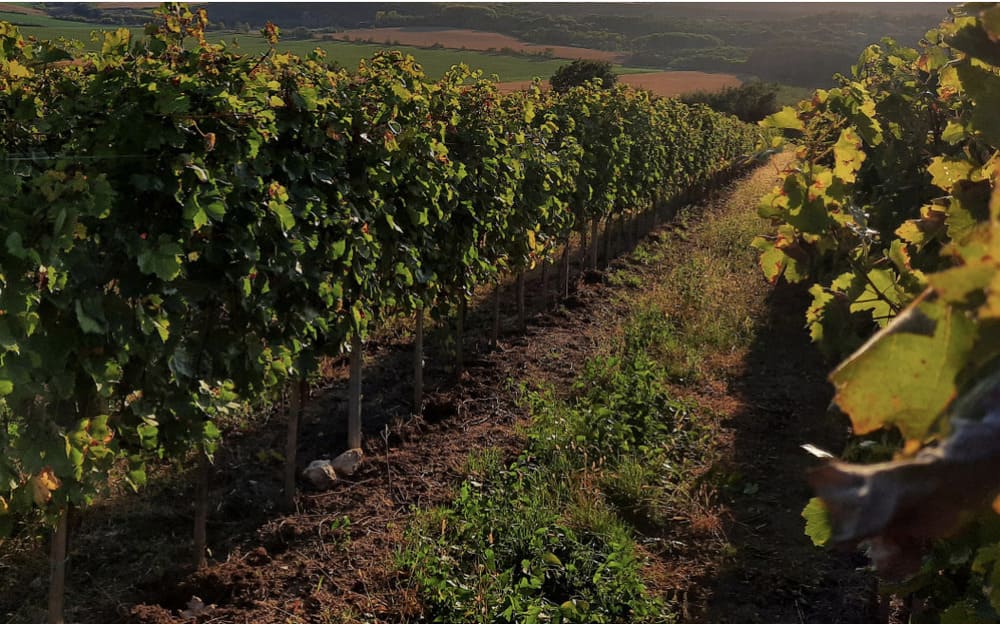
What I’m Drinking This Furmint Day
To celebrate Furmint Day, I’m pouring a glass of the Royal Tokaji Dry Furmint 2019, a wine that beautifully showcases the versatility and elegance of this grape. Whether you’re already a Furmint fan or just discovering it, this bottle is the perfect place to start.
About the Producer: Royal Tokaji Winery
Founded in 1990, the Royal Tokaji Winery played a significant role in the revival of Hungary’s Tokaj region after the fall of communism. Their mission is to bring the magic of Tokaji wines—especially Furmint—to the world. Known for their meticulous winemaking and commitment to quality, Royal Tokaji produces a range of wines, from their famous Tokaji Aszú to modern dry expressions like this one.
Tasting Notes: Royal Tokaji Dry Furmint 2019
This wine is a standout example of why dry Furmint is gaining global recognition. Here’s what’s in my glass:
- Appearance: A pale straw yellow with a hint of green, it’s vibrant and inviting, catching the light like morning sunlight.
- Aromas: On the nose, it’s fresh and lively. Expect a burst of green apple, citrus zest, and pear, complemented by subtle floral hints of acacia and a whisper of wet stone that hints at the volcanic soils of Tokaj.
- Palate: The first sip reveals crisp acidity and a lean, mineral-driven structure. Flavors of quince, lime, and tart apricot shine, with a slight nuttiness adding depth. The finish is long, with a refreshing saline quality that leaves you reaching for another sip.
- Texture: Medium-bodied and silky, with just enough weight to make it substantial but never heavy.
Why I Chose This Wine
he Royal Tokaji Dry Furmint 2019 captures everything I love about Furmint—its vibrant acidity, complex flavor profile, and ability to reflect its terroir. It’s a wine that speaks of its origin, with the volcanic soils of Tokaj lending it a distinct minerality that sets it apart from other whites.
A Lesser-Known Gem with a Story
What makes this bottle even more special is its backstory. In the early days of the winery, the founders worked closely with local growers, many of whom had small family-run vineyards passed down through generations. Their collaboration not only revitalized the Tokaj region but also preserved traditional winemaking techniques. The Dry Furmint line represents a modern take on those traditions, offering a dry style that appeals to contemporary palates while honoring its heritage.
Food Pairing Plans
I plan to enjoy this wine with a plate of grilled lemon-herb shrimp and a simple arugula salad topped with shaved Parmesan. The wine’s zesty citrus notes and minerality should complement the freshness of the dish perfectly. Later, I might save a glass to pair with a slice of goat cheese tart, a match made in wine heaven.
If you’re looking for a bottle to celebrate Furmint Day, the Royal Tokaji Dry Furmint 2019 is an excellent choice. It’s approachable, yet complex enough to intrigue seasoned wine lovers. Cheers to exploring this remarkable grape and raising a glass to its bright future!
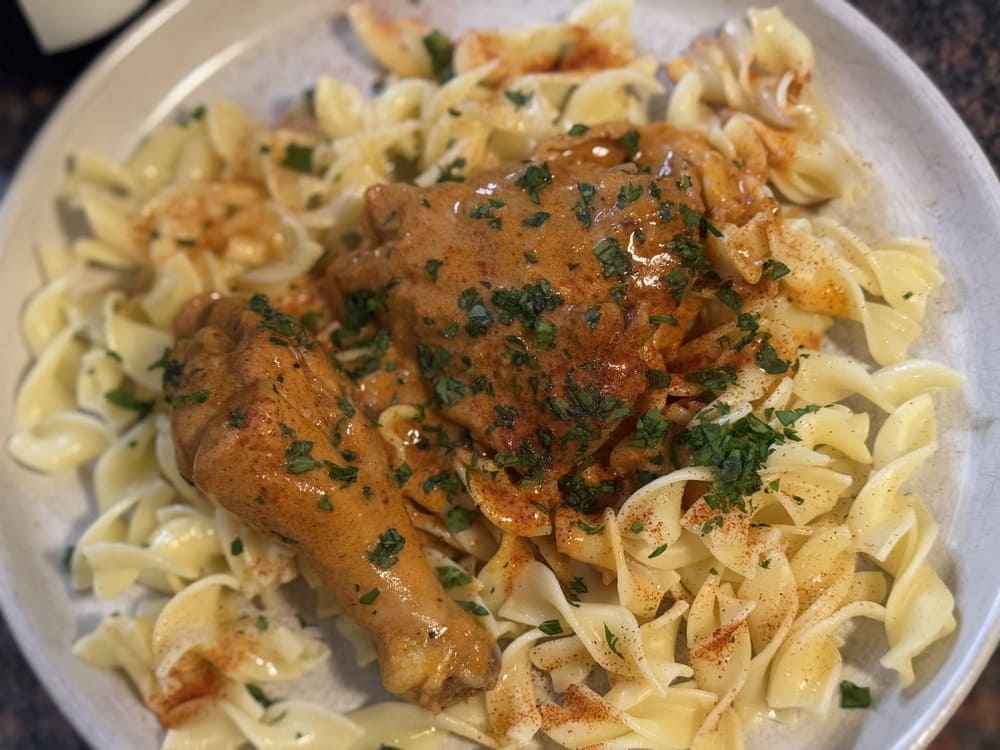
Furmint Pairing Recipe: A Culinary Adventure
What better way to celebrate Furmint Day than with a dish that complements the wine in your glass? Furmint’s versatility means it can pair beautifully with a wide range of flavors, from savory to sweet. Here, I’m sharing two recipes—one for dry Furmint and one for sweet Furmint—that highlight the grape’s unique qualities and elevate your Furmint Day celebration.
For Dry Furmint: Lemon Herb Chicken with Wild Rice
This dish captures the essence of dry Furmint’s bright acidity and mineral-driven character. The citrusy, herbal flavors of the chicken align perfectly with the wine’s green apple, lime, and quince notes, while the nutty wild rice adds a satisfying earthiness.
Ingredients (Serves 4):
- 4 boneless, skin-on chicken thighs
- Zest and juice of 1 lemon
- 3 garlic cloves, minced
- 2 tablespoons olive oil
- 1 tablespoon fresh thyme leaves
- 1 teaspoon fresh rosemary, finely chopped
- 1/2 teaspoon salt
- 1/4 teaspoon black pepper
- 1 cup wild rice
- 2 cups chicken broth
- 1/4 cup toasted almonds or hazelnuts (optional)
- Fresh parsley for garnish
Instructions:
- Marinate the Chicken: In a large bowl, combine lemon zest, juice, garlic, olive oil, thyme, rosemary, salt, and pepper. Add the chicken thighs, ensuring they are well-coated. Cover and marinate for at least 30 minutes or up to 2 hours in the fridge.
- Cook the Rice: In a medium pot, combine wild rice and chicken broth. Bring to a boil, then reduce heat, cover, and simmer for 40–45 minutes until tender. Fluff with a fork and stir in toasted nuts if desired.
- Sear the Chicken: Heat a large skillet over medium-high heat. Add a drizzle of olive oil, then place the chicken thighs skin-side down. Cook for 5–6 minutes until golden brown. Flip and cook for another 5–6 minutes until the internal temperature reaches 165°F (74°C).
- Assemble and Serve: Serve the chicken over a bed of wild rice, garnished with fresh parsley. Pair with a chilled glass of dry Furmint to enhance the dish’s zesty, herbal notes.
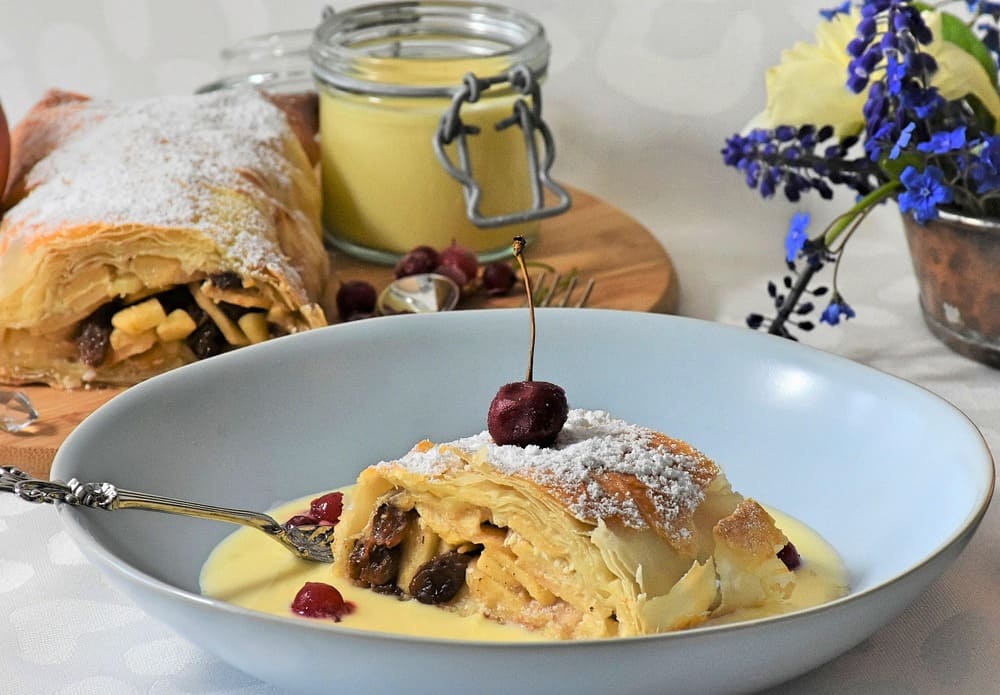
For Sweet Furmint: Hungarian Apple Strudel
Sweet Furmint, with its honeyed apricot and orange zest flavors, is the perfect companion for this classic Hungarian dessert. The flaky pastry, warm spices, and caramelized apples make this pairing an unforgettable treat.
Ingredients (Serves 6):
- 6 sheets of phyllo dough, thawed
- 4 medium apples (such as Granny Smith), peeled, cored, and thinly sliced
- 1/4 cup raisins (optional)
- 1/4 cup sugar
- 1 teaspoon ground cinnamon
- 1/4 teaspoon ground nutmeg
- Zest of 1 orange
- 1/4 cup breadcrumbs
- 4 tablespoons unsalted butter, melted
- Powdered sugar for garnish
Instructions:
- Prepare the Filling: In a bowl, combine sliced apples, raisins, sugar, cinnamon, nutmeg, and orange zest. Toss to coat evenly.
- Layer the Phyllo Dough: On a clean surface, lay out one sheet of phyllo dough and brush lightly with melted butter. Sprinkle with a teaspoon of breadcrumbs. Repeat with remaining sheets, stacking them.
- Assemble the Strudel: Spread the apple mixture along one edge of the phyllo stack, leaving about 2 inches on each side. Carefully roll the dough into a log, tucking in the edges as you go. Place seam-side down on a parchment-lined baking sheet.
- Bake: Brush the strudel with melted butter and bake in a preheated oven at 375°F (190°C) for 30–35 minutes, until golden brown.
- Serve: Allow the strudel to cool slightly, then dust with powdered sugar. Slice and serve warm with a glass of sweet Furmint, letting the wine’s honeyed and citrusy notes play off the warm spices and apples.
Why These Pairings Work
- The Lemon Herb Chicken mirrors dry Furmint’s crisp acidity, citrus notes, and minerality, creating a harmonious balance. The dish’s simplicity lets the wine shine, while the herbaceous elements echo the wine’s subtle floral hints.
- The Hungarian Apple Strudel pairs with sweet Furmint like a symphony. The wine’s luscious fruit and zippy acidity elevate the strudel’s rich flavors, preventing the pairing from feeling overly sweet.
Both recipes are easy to prepare, yet they bring a sense of occasion to Furmint Day. Whether you’re savoring the crisp elegance of dry Furmint or indulging in the decadence of sweet Furmint, these dishes make the experience truly special.
Furmint Around the World: Events and Celebrations
Furmint Day on February 1st isn’t just a date on the calendar—it’s a global toast to a grape that’s captured the hearts of wine lovers and sommeliers alike. From intimate tastings in Hungary’s Tokaj region to virtual gatherings connecting enthusiasts worldwide, Furmint Day is an invitation to celebrate, learn, and, most importantly, savor.
Global Events to Mark the Day
1. In the Heart of Hungary: Tokaj Celebrations
In Tokaj, Furmint Day is an annual highlight. Local wineries throw open their doors, hosting vineyard tours, guided tastings, and traditional Hungarian feasts. These events often feature vertical tastings of dry and sweet Furmint, allowing visitors to explore the grape’s range across vintages. Many wineries also offer workshops where participants can learn about Furmint’s unique terroir and winemaking process.
2. Virtual Tastings and Webinars
Can’t make it to Hungary? No problem. Wineries, wine educators, and sommeliers host virtual Furmint tastings, bringing the experience right to your living room. These online events often include:
- Expert-led tastings of curated Furmint wines, shipped directly to participants.
- Discussions about Furmint’s history, flavor profile, and food pairings.
- Interactive Q&A sessions where you can deepen your knowledge and connect with fellow Furmint fans.
- Some events even pair tastings with cooking classes, teaching you to prepare dishes that complement the wine.
3. Global Wine Bars and Restaurants
Wine bars in cities like London, New York, and Sydney often join the celebration by featuring Furmint flights or pairing menus. These curated experiences offer a chance to taste a variety of Furmint styles while enjoying dishes crafted to highlight the grape’s unique characteristics.
Get Involved: Celebrate Furmint Your Way
If you can’t attend an event in person or virtually, there are plenty of ways to make Furmint Day special:
- Host Your Own Tasting: Pick up a bottle (or two!) of Furmint and invite friends for a cozy evening of discovery. Include both dry and sweet styles for a full spectrum experience.
- Prepare a Furmint-Friendly Feast: Pair your wine with dishes from Hungary, such as chicken paprikash or Hungarian apple strudel, for an authentic touch.
- Dive into the Culture: Spend the evening learning about Hungary’s rich wine history and the role Furmint plays in its heritage. Watch documentaries, read wine books, or explore blogs that celebrate the grape.
Join the Global Conversation on Social Media
Social media is the heartbeat of Furmint Day, with wine lovers around the world sharing their experiences using hashtags like #FurmintDay and #CelebrateFurmint. Here’s how you can join in:
- Post Your Furmint Moment: Share a photo of your Furmint bottle, pairing, or event setup. Include a brief caption about what you’re drinking and why you love it.
- Go Live: Stream your tasting experience or give a quick review of your chosen Furmint wine. Your enthusiasm might inspire others to join the celebration.
- Follow and Interact: Engage with posts from winemakers, sommeliers, and fellow enthusiasts. It’s a fantastic way to discover new Furmint wines and learn from the community.
- Challenge Your Friends: Encourage them to pick up a bottle and share their thoughts. A virtual toast over video chat is a great way to connect and celebrate together.
Why Furmint Day Matters
Furmint Day isn’t just about celebrating a wine; it’s about recognizing the people, places, and traditions that bring it to life. By participating—whether at a vineyard, in a virtual tasting, or from your own home—you’re helping to spotlight this remarkable grape and its journey to global acclaim.
So, pop the cork, raise your glass, and let the world know why Furmint deserves a special day on the calendar. Cheers to a grape worth celebrating!

How to Explore Furmint
Falling in love with Furmint starts with the right bottle. Whether you’re a seasoned wine aficionado or new to the world of Hungarian grapes, discovering Furmint is a rewarding journey. Here’s how to bring this hidden gem into your glass and make the most of its unique charm.
Finding Furmint: Where to Begin
1. Local Wine Shops
Many boutique wine stores carry Furmint, especially those with a strong selection of European wines. Here are some tips for navigating your local shop:
- Ask for Guidance: Mention Furmint specifically to the staff, as it’s often grouped with “unique finds” or “old-world whites.”
- Check the Hungarian Section: Furmint is primarily Hungarian, so head straight to that country’s offerings.
- Look for Producers: Labels like Royal Tokaji, Disznókő, Béres, and Oremus are among the most respected and widely available.
2. Online Wine Retailers
If Furmint isn’t readily available in your area, online retailers can be a lifesaver. Platforms like Wine.com, Vivino, and Total Wine often stock a range of Furmint wines. Here’s how to make the most of your search:
- Use Filters: Search by country (Hungary) or grape (Furmint) to narrow down your options.
- Read Reviews: Fellow wine lovers often leave detailed reviews, offering insights into what to expect from a particular bottle.
- Sign Up for Alerts: Many retailers offer notifications when new stock arrives, ensuring you never miss out on a rare find.
3. Specialty Importers
Some importers specialize in Hungarian wines and have a strong focus on Furmint. These companies often feature exclusive bottles not found in larger retailers. Look for names like Blue Danube Wine Company or Taste Hungary, which curate exceptional selections.
Recommended Producers and Labels
When it comes to Furmint, certain names stand out for their quality and consistency. Here’s a guide to trusted producers across different styles:
For Dry Furmint Enthusiasts
- Royal Tokaji Dry Furmint: Known for its vibrant acidity, green apple crispness, and mineral backbone, this is a perfect introduction to dry Furmint.
- Oremus Mandolás Furmint: Elegant and complex, with notes of quince, lime, and a subtle nuttiness.
- Béres Dry Furmint: A fresh, zesty wine with stone fruit and herbal undertones—a versatile food pairing partner.
For Sweet Wine Lovers
- Royal Tokaji Aszú: A benchmark for Tokaj’s famous sweet wines, with layers of apricot, honey, and orange peel.
- Disznókő Tokaji Aszú 5 Puttonyos: A luscious, dessert-ready wine with incredible balance between sweetness and acidity.
- Patricius Tokaji Aszú: Brimming with dried fruit, caramel, and floral notes, it’s a decadent treat for special occasions.
For Something Unique
- Kikelet Vineyard Selections: Boutique producer crafting artisanal Furmint wines with a focus on terroir.
- Tokaj Nobilis: Known for small-batch, high-quality wines showcasing the elegance of the grape.
Price Points for Every Budget
One of the best things about Furmint is its accessibility. You can explore this world-class grape without breaking the bank:
- Budget-Friendly ($15–$25): Look for dry Furmint from larger producers like Royal Tokaji or Disznókő. These wines are widely available and perfect for everyday enjoyment.
- Mid-Range ($25–$50): At this level, you’ll find more complex dry Furmints and high-quality Tokaji Aszú wines with impressive depth and structure.
- Splurge-Worthy ($50+): Treat yourself to premium Tokaji Aszú or single-vineyard dry Furmints. These bottles often come from historic wineries and are ideal for aging or special occasions.
Pro Tips for a Great Furmint Experience
- Start with Dry Furmint: It’s more widely available and offers a versatile introduction to the grape. Pair it with your favorite seafood dish or creamy pasta for an unforgettable meal.
- Experiment with Sweet Styles: A bottle of Tokaji Aszú is a must-try for dessert lovers. Serve it chilled with a fruit tart or blue cheese for a pairing that will blow your mind.
- Don’t Be Intimidated: Furmint might sound exotic, but it’s incredibly approachable. Think of it as the love child of Riesling and Chenin Blanc—familiar yet excitingly different.
Falling in Love with Furmint
Exploring Furmint is more than just trying a new wine—it’s a journey into a world of flavors, history, and craftsmanship. Whether you start with a budget-friendly dry Furmint or dive into the luxurious sweetness of a Tokaji Aszú, every sip tells a story. So, uncork a bottle, take a seat at the table, and let Furmint take you on an unforgettable adventure. Cheers!
Watch the Video on YouTube
Closing: Raise a Glass to Furmint!
As February 1st approaches, there’s no better time to embrace the magic of Furmint. Whether you’re savoring a crisp, dry Furmint with a plate of lemon herb chicken or indulging in the honeyed sweetness of a Tokaji Aszú alongside a decadent dessert, this grape promises an unforgettable experience in every glass.
Furmint is more than just a wine—it’s a story of resilience, tradition, and innovation. By celebrating Furmint Day, you’re not just discovering a hidden gem; you’re joining a global community of wine lovers who appreciate the unique and the extraordinary.
So, this Furmint Day, raise your glass high and toast to this versatile and captivating grape. Take a sip, let the flavors transport you, and share your journey with the world.
Your Turn!
Ready to celebrate? Here’s how you can join the fun:
- Find a Furmint: Visit your local wine shop or order online and discover the magic for yourself.
- Share Your Experience: Snap a photo of your Furmint adventure and tag it with #FurmintDay on social media. Let others know about your favorite pairings, producers, or recipes.
- Spread the Word: Invite friends to celebrate with you and introduce them to this incredible grape.
Here’s to Furmint—a grape that deserves its time in the spotlight. Celebrate with every sip and let its vibrant flavors and rich heritage remind you why wine is truly something special. Cheers to Furmint Day!