Introduction
Wine tasting 101 may seem mysterious at first. You may have heard people describe wines using elaborate language—talking about aromas of blackberry, hints of cedar, or a lingering finish—and wondered if there was something you were supposed to be noticing too.
The good news is that tasting wine isn’t about memorizing complicated terminology or having an extraordinary palate. It’s about learning to pay attention to what’s already in the glass.
Professional tasters simply follow a consistent process that allows them to evaluate a wine’s aromas, flavors, and structure. In fact, when I evaluate a wine, I follow the same systematic approach I discuss in How I Evaluate a Wine, focusing on balance, structure, and the overall experience the wine delivers.
If you’re new to wine, the easiest way to begin is by breaking the tasting process into five simple steps:
See → Swirl → Sniff → Sip → Savor
Once you understand these steps, wine tasting becomes less intimidating and far more enjoyable. Over time, you’ll start to notice subtle differences between wines and develop your own preferences and style.
Let’s begin with the first step.
🍷 The 5 Steps of Wine Tasting
- See – Observe the wine’s color, clarity, and viscosity.
- Swirl – Aerate the wine to release aromas.
- Sniff – Identify primary, secondary, and tertiary aromas.
- Sip – Evaluate structure, flavor, and balance.
- Savor – Consider the finish and overall impression.
Step 1 — See
Before you ever smell or taste the wine, take a moment to simply look at it in the glass. Visual clues can reveal quite a bit about a wine’s style, age, and even its potential body.
Wine professionals typically observe three key visual elements:
Color
Hold your glass at a slight angle against a white background or tablecloth.
The color of the wine can offer hints about the grape variety and the wine’s age.
For example:
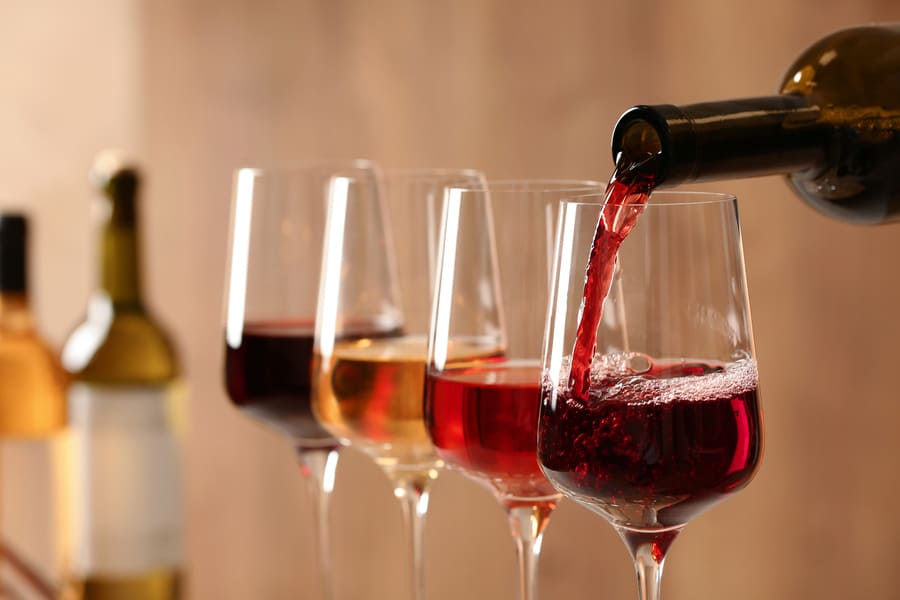
- Young red wines often appear deep purple or ruby.
- As red wines age, they may develop brick or garnet tones.
- White wines can range from pale straw to deep golden hues, sometimes darkening with age.
While color alone doesn’t tell the whole story, it provides useful clues about what you might expect when you taste the wine.
Clarity
Next, notice how clear the wine appears.
Most wines should be clear and bright, indicating a well-made and stable wine. Occasionally, you may notice a slight haze in wines that are unfiltered or minimally processed, which can be perfectly normal depending on the winemaking style.
Clarity is less about judging quality and more about observing the wine’s condition and presentation.
Viscosity (The “Legs” of the Wine)
You may have heard people talk about the “legs” or “tears” of a wine.
After swirling the glass (which we’ll cover in the next step), you may see droplets slowly forming and sliding down the inside of the glass.
These legs are influenced primarily by alcohol and sugar levels. Wines with higher alcohol or residual sugar often appear slightly more viscous.
While wine legs can be interesting to observe, they are not a direct indicator of quality. Instead, they simply provide another small clue about the wine’s composition.
Before moving on to the next step, take a moment to appreciate the wine visually. This brief pause sets the stage for the aromas and flavors you’re about to explore.
Next comes one of the most recognizable gestures in wine tasting—the swirl.

Step 2 — Swirl
After observing the wine in the glass, the next step is one of the most recognizable gestures in wine tasting: the swirl.
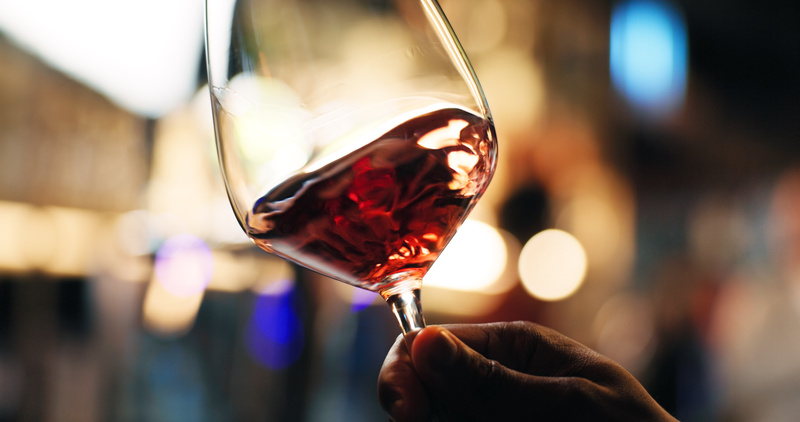
Swirling the wine gently in your glass helps expose it to oxygen. This small amount of aeration allows the wine’s aromatic compounds to release, making it easier to detect the wine’s aromas when you smell it.
If you’re new to swirling, you can keep the base of the glass on the table and move the glass in small circles. This creates a smooth swirl without risking a spill. With a little practice, swirling becomes second nature.
You may also notice something else when you swirl the wine—the legs, or droplets that slowly run down the inside of the glass. As mentioned earlier, these are influenced primarily by alcohol and sugar levels rather than overall quality, but they can still offer a small visual clue about the wine’s composition.
More importantly, swirling prepares the wine for the next step, which is where much of the wine’s character begins to reveal itself.
Step 3 — Sniff
A large part of what we experience as flavor actually comes from aroma, which is why smelling the wine is such an important step in the tasting process.
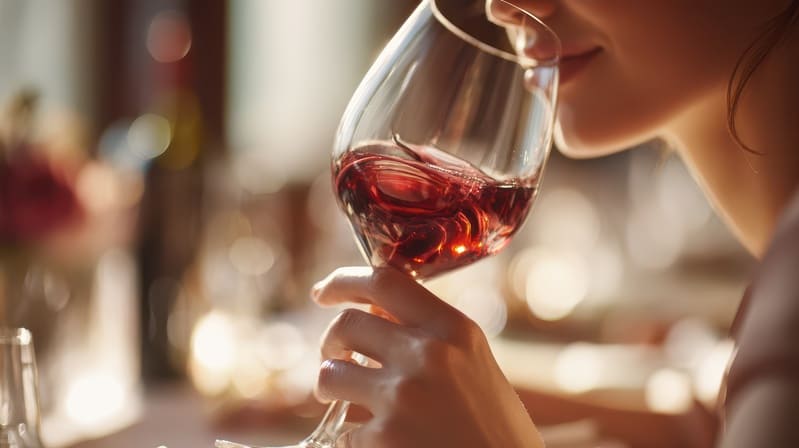
Bring the glass to your nose and take a slow, gentle sniff. Try not to overthink it at first—simply notice the impressions that come to mind. With practice, you’ll begin to recognize certain aromas more easily.
Wine aromas are often grouped into three categories:
Primary Aromas
Primary aromas come directly from the grape variety itself. These are typically fresh fruit, floral, and herbal notes.
For example:
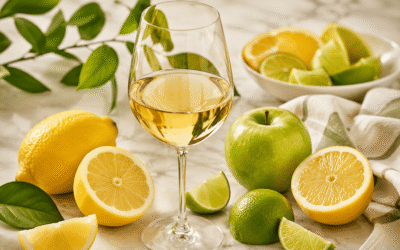
- Citrus, green apple, or tropical fruit in white wines
- Cherry, raspberry, or blackberry in red wines
- Floral notes such as rose or violet
These aromas often give the first clues about the grape variety or style of the wine.
Secondary Aromas
Secondary aromas develop during the winemaking process, particularly during fermentation.
These can include notes such as:
- Bread or brioche from yeast
- Creamy or buttery characteristics
- Yogurt-like or lactic notes from malolactic fermentation
These aromas reflect decisions made by the winemaker and contribute to the wine’s overall complexity.
Tertiary Aromas
Tertiary aromas develop as a wine ages over time, either in the bottle or in oak barrels.
Examples might include:
- Leather
- Tobacco
- Dried fruit
- Earthy or mushroom notes
Not every wine develops strong tertiary aromas, but when they appear, they often signal a wine that has begun to evolve and mature.
As you smell the wine, try to notice which aromas stand out most strongly and how they change after the wine has had a little time in the glass. Aromas can shift and open up as the wine continues to breathe.
With practice, the act of smelling wine becomes one of the most rewarding parts of the tasting experience.Now that you’ve observed the wine and explored its aromas, it’s time for the most anticipated step: the first sip.
Step 4 — Sip
Now comes the moment most people look forward to—the first sip.
Take a small sip of the wine and let it move across your palate before swallowing. Wine professionals often allow the wine to coat different parts of the mouth so they can better perceive the wine’s structure and flavors.
When tasting, focus on four key elements:
Sweetness
Sweetness is detected at the tip of the tongue and refers to the amount of residual sugar left in the wine after fermentation.
Many wines are technically dry, meaning little to no sugar remains. However, fruit-forward aromas can sometimes give the impression of sweetness even in dry wines.
As you taste, ask yourself:
Does the wine feel dry, slightly off-dry, or noticeably sweet?
Acidity
Acidity gives wine its freshness and vibrancy.
You’ll usually feel acidity along the sides of your mouth, often triggering a slight mouthwatering sensation. Wines with higher acidity tend to feel crisp and refreshing, while wines with lower acidity may feel softer or rounder.
Acidity is one of the most important elements in wine because it helps provide balance and structure.
Tannin
Tannins are primarily found in red wines and come from grape skins, seeds, and sometimes oak aging.
Rather than a flavor, tannins create a textural sensation. They can make your mouth feel slightly dry or create a gentle gripping sensation on the gums.
Some wines have soft, silky tannins, while others are more firm and structured.
Body
Body refers to the overall weight or richness of the wine on the palate.
Think of body in terms similar to milk:
- Light-bodied wines feel closer to skim milk
- Medium-bodied wines resemble whole milk
- Full-bodied wines feel richer, like cream
Body is influenced by factors such as alcohol level, grape variety, and winemaking style.
Together, sweetness, acidity, tannin, and body form the structural framework of the wine—the same elements I focus on when evaluating wines more professionally.
Step 5 — Savor
After swallowing the wine, take a moment to notice what remains.
This final stage of tasting is often where a wine’s true character reveals itself.
Finish
The finish refers to how long the flavors linger after you swallow the wine.
Some wines fade quickly, while others leave impressions that continue for several seconds or even longer. In many cases, wines with longer finishes tend to feel more complex and memorable.
Balance
Balance refers to how well the structural elements of the wine work together.
Does the acidity feel refreshing rather than sharp?
Do the tannins support the wine without overpowering it?
Does the alcohol feel integrated rather than hot?
When these elements are in harmony, the wine feels cohesive and enjoyable.
Overall Impression
Finally, ask yourself a simple question:
Did you enjoy the wine?
Wine appreciation is both analytical and personal. While learning to identify structure and aromas can deepen your understanding, the most important aspect of wine tasting is the experience itself.
Over time, you’ll start to notice which styles, regions, and grape varieties you gravitate toward.
That’s part of what makes wine such a fascinating journey of discovery.
Final Thoughts
Wine tasting doesn’t have to be complicated or intimidating. At its heart, it’s simply a process of paying attention to what you see, smell, and taste.
By following the five steps—See, Swirl, Sniff, Sip, and Savor—you’ll begin to notice the nuances that make each wine unique.
The more wines you taste, the more your palate will develop, and the easier it will become to recognize the characteristics you enjoy most.
Most importantly, remember that wine is meant to be shared and enjoyed. Whether you’re opening a bottle for a quiet evening at home or exploring wines with friends, curiosity and enjoyment are always the best guides.
Continue Your Wine Journey
If you’d like to explore wine in a more interactive setting, VinVirtuosa offers guided wine tastings and educational classes designed to make wine approachable, engaging, and fun.