Introduction
Wine and food have been enjoyed together for centuries, and when the right pairing comes together, both the dish and the wine can taste even better. A thoughtfully chosen wine can highlight subtle flavors in a dish, while the food can soften or enhance elements within the wine.
Successful pairings often come down to balance between flavors, textures, and structure. Elements in wine such as acidity, tannin, sweetness, and intensity all influence how a wine interacts with food. A bright, high-acid wine can refresh the palate alongside rich dishes, while tannic red wines can soften when paired with protein. Even a touch of sweetness in a wine can help balance spicy foods. Learning how to recognize these characteristics is a key part of developing your palate, something explored in Wine Tasting 101: How to Taste Wine Like a Pro.
While there are countless possible combinations, a few classic food and wine pairings have become famous for a reason.
. Over time, these combinations have proven to consistently highlight the best qualities in both the wine and the food.If you’re looking for a few reliable starting points, these seven classic food and wine pairings are a wonderful place to begin.
Sauvignon Blanc & Goat Cheese
🍷 Wine: Sauvignon Blanc
🧀 Food: Goat cheese
Why it works
- Bright acidity
• Herbal freshness
• Tangy cheese contrast
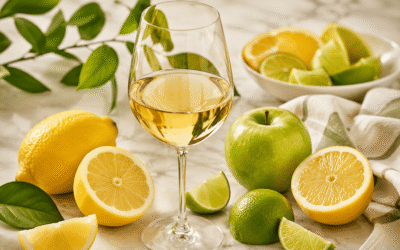
One of the most classic wine and food combinations comes from the Loire Valley in France, where Sauvignon Blanc is often enjoyed alongside fresh goat cheese. The wine’s bright acidity and herbal notes complement the tangy character of the cheese while refreshing the palate with each bite.
Few pairings are as iconic—or as harmonious—as Sauvignon Blanc and goat cheese.
This classic combination works beautifully because the wine and the cheese share similar flavor characteristics. Sauvignon Blanc is typically known for its bright acidity and fresh herbal notes, while goat cheese offers a tangy, creamy richness. When enjoyed together, the wine’s acidity cuts through the richness of the cheese, refreshing the palate and making each bite feel lively and balanced.
At the same time, the subtle herbal and citrus notes often found in Sauvignon Blanc complement the earthy qualities of the cheese, creating a pairing that feels naturally aligned.
The inspiration for this pairing is often traced to the vineyards of the Loire Valley in France, where Sauvignon Blanc wines such as those from Sancerre and Pouilly-Fumé are traditionally enjoyed alongside local goat cheeses. Because the wines and cheeses developed within the same region, they evolved to complement one another beautifully.
Today, this pairing remains one of the simplest and most reliable combinations in the wine world—perfect as an appetizer, a light lunch, or part of a relaxed cheese board. 🍷🧀
Pinot Noir & Salmon
🍷 Wine: Pinot Noir
🐟 Food: Salmon
Why it works
- Light tannins
• Bright acidity
• Delicate flavors
Pinot Noir is one of the few red wines that pairs beautifully with fish. Its lighter structure and vibrant acidity complement the richness of salmon without overwhelming the dish. The wine’s subtle red fruit and earthy notes enhance the natural flavors of the fish, creating a refined and balanced pairing.
At first glance, pairing red wine with fish may seem unusual. Yet Pinot Noir and salmon form one of the most elegant and reliable pairings in the wine world.
Pinot Noir is known for its light tannins, bright acidity, and delicate flavor profile, which makes it far more versatile with food than many fuller-bodied red wines. Unlike more structured reds, Pinot Noir rarely overwhelms lighter dishes.
Salmon, on the other hand, is a richer and more flavorful fish than many white-fleshed varieties. Its natural oils and slightly robust texture allow it to stand up to a red wine, particularly one with balance and finesse.
When paired together, Pinot Noir’s fresh acidity helps cut through the richness of the salmon, while its subtle fruit flavors—often showing notes of cherry, raspberry, or cranberry—complement the savory character of the fish. The wine’s gentle tannins provide structure without overpowering the dish.
This pairing works especially well with grilled, roasted, or cedar-planked salmon, where the wine’s earthy and red-fruit notes can echo the smoky and savory elements of the preparation.For many wine lovers, Pinot Noir remains one of the few red wines that consistently pairs beautifully with fish, making it a valuable option when serving heartier seafood dishes.
Cabernet Sauvignon & Steak
🍷 Wine: Cabernet Sauvignon
🥩 Food: Steak
Why it works
- Bold structure
• Firm tannins
• Protein softens tannins
Cabernet Sauvignon and steak is one of the most famous food and wine pairings in the world. The firm tannins in Cabernet Sauvignon interact beautifully with the protein and fat in the meat, softening the wine’s structure while allowing its dark fruit flavors to shine.
Few pairings are as famous—or as satisfying—as Cabernet Sauvignon and steak.
Cabernet Sauvignon is known for its bold structure, firm tannins, and concentrated dark fruit flavors, making it one of the most powerful and structured red wines. On its own, the wine’s tannins can feel quite pronounced, creating a drying sensation on the palate.
This is where steak enters the picture.
The protein and fat in red meat interact with the tannins in the wine, softening their grip and allowing the wine’s fruit and complexity to shine more clearly. At the same time, the richness of the steak is balanced by the wine’s structure, creating a pairing that feels harmonious and satisfying. If you’d like to understand this interaction more deeply, you can learn more about what tannins are in wine and why they matter.
The flavors also complement one another beautifully. Cabernet Sauvignon often shows notes of blackcurrant, blackberry, cedar, and subtle spice—characteristics that pair naturally with the savory depth of grilled or roasted beef.
It’s no coincidence that some of the world’s most celebrated Cabernet Sauvignon wines are traditionally served with steak. From classic steakhouse dinners to special occasions, this pairing has become one of the most recognizable examples of how the right food can elevate the experience of a wine.
When enjoyed together, Cabernet Sauvignon and steak create a balance of richness, structure, and flavor that few pairings can rival.
Champagne & Fried Foods
🍷 Wine: Champagne
🍗 Food: Fried foods
Why it works
- High acidity
• Bubbles cleanse the palate
• Contrast with crispy textures
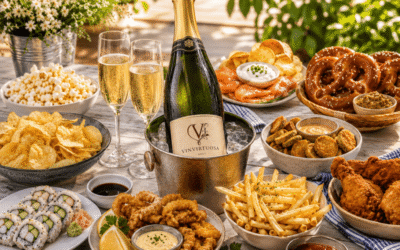
Sparkling wines such as Champagne are surprisingly versatile at the table. The wine’s acidity and effervescence cut through rich, crispy foods, refreshing the palate between bites. This pairing works wonderfully with dishes like fried chicken, tempura, or even French fries.
At first thought, pairing sparkling wine with fried foods might sound unexpected. Yet Champagne and fried dishes create one of the most delightful contrasts in food and wine pairing.
Sparkling wines are known for their bright acidity and lively bubbles, both of which play an important role at the table. Fried foods tend to be rich and crispy, often with a satisfying but heavy texture. The acidity in the wine cuts through that richness, while the bubbles help cleanse the palate between bites.
This refreshing effect keeps the dish from feeling too heavy and allows each bite to feel just as enjoyable as the first.
The contrast between textures also makes the pairing especially appealing. The crisp exterior of fried foods paired with the light, effervescent nature of sparkling wine creates a balance that feels both indulgent and refreshing.
Some particularly delicious examples include:
- Fried chicken
- Tempura
- French fries
In fact, many sommeliers consider sparkling wine one of the most versatile wines for food pairing, precisely because its acidity and effervescence make it adaptable to a wide range of dishes.
Few wines illustrate this better than Champagne from the Champagne.
Riesling & Spicy Cuisine
🍷 Wine: Riesling
🌶 Food: Spicy cuisine
Why it works
- Slight sweetness
• Refreshing acidity
• Balances heat
Riesling is often considered one of the best wines for spicy dishes. The wine’s natural acidity and touch of sweetness help balance heat while enhancing aromatic flavors. This pairing works beautifully with cuisines such as Thai, Indian, and Sichuan dishes.
Spicy food can be one of the most challenging—and rewarding—pairing partners for wine. One of the best matches is Riesling, a wine celebrated for its balance of fruit, acidity, and often a touch of sweetness.
Many Rieslings contain a slight natural sweetness, which helps calm the heat found in spicy dishes. Instead of competing with the spice, the wine softens it, allowing the flavors of the dish to shine through more clearly.
At the same time, Riesling’s bright acidity keeps the pairing fresh and lively, preventing the sweetness from feeling heavy.
This balance makes Riesling an excellent companion for a wide range of spicy cuisines, including:
- Thai dishes with chili and lime
- Indian curries with aromatic spices
- Spicy Sichuan cuisine
The wine’s fruit flavors—often showing notes of peach, apricot, citrus, and sometimes floral elements—provide a pleasant contrast to the bold flavors of these dishes.
Riesling is also remarkably adaptable in sweetness levels, from dry to lusciously sweet, which gives wine lovers flexibility when choosing the right bottle for the meal.
Some of the most celebrated examples of this grape come from the cool-climate vineyards of the Mosel in Germany.
Chardonnay & Roast Chicken
🍷 Wine: Chardonnay
🍗 Food: Roast chicken
Why it works
- Balanced richness
• Subtle oak complements roasted flavors
• Versatile with herbs and butter
Chardonnay pairs beautifully with classic roasted poultry dishes. The wine’s texture and subtle oak notes complement the savory flavors of roast chicken, particularly when the dish includes herbs, butter, or roasted vegetables.
Some pairings feel timeless because they are built on balance and harmony, and Chardonnay with roast chicken is a perfect example.
Roast chicken is a comforting dish with layers of flavor—crispy skin, tender meat, and often herbs, butter, or roasted vegetables. Chardonnay complements these elements beautifully because the wine itself often carries a balance of richness, acidity, and subtle texture.
In many styles of Chardonnay, particularly those aged in oak, the wine can develop notes of vanilla, toasted bread, or gentle spice. These flavors mirror the savory, roasted qualities of the chicken, creating a pairing that feels seamless.
At the same time, Chardonnay typically maintains enough acidity to keep the pairing from feeling too heavy, especially when butter or creamy sauces are involved.
This versatility makes Chardonnay one of the most reliable wines for classic poultry dishes. Whether the chicken is roasted simply with herbs or prepared with richer accompaniments, the wine adapts gracefully to the meal.
Many iconic examples of this pairing are inspired by wines from the Burgundy in France, where Chardonnay has long been enjoyed with traditional French cuisine.
Port & Chocolate
🍷 Wine: Port
🍫 Food: Chocolate desserts
Why it works
- Sweetness
• Richness
• Intensity match
Dessert wines pair best when they are at least as sweet as the dessert itself. Port’s rich fruit flavors and natural sweetness complement chocolate beautifully, creating a luxurious and indulgent pairing that works especially well with dark chocolate desserts.
When it comes to dessert pairings, few combinations are as luxurious as Port and chocolate.
Both the wine and the dessert are rich, intense, and layered with flavor. When paired thoughtfully, they enhance each other beautifully.
One of the most important principles in dessert pairing is that the wine should be at least as sweet as the dessert. If the dessert is sweeter than the wine, the wine can taste thin or overly acidic by comparison. Fortunately, Port wines have a natural sweetness and concentration that make them ideal partners for rich desserts.
Chocolate—especially dark chocolate—pairs exceptionally well with Port because both share deep, bold flavors. Port wines often display notes of blackberry, plum, cocoa, spice, and dried fruit, which echo the complexity found in chocolate.
The richness of the wine also matches the intensity of the dessert, creating a pairing that feels indulgent rather than overpowering.
Classic examples of this wine come from the historic vineyards of the Douro Valley in Portugal, where fortified wines have been produced for centuries.
For chocolate lovers, this pairing is one of the most satisfying ways to end a meal.
A Simple Tip for Successful Pairings
If you remember only one guideline when pairing wine with food, make it this:
Match the intensity of the wine with the intensity of the dish.
When tasting wine, professionals often think about structure, balance, and overall harmony between flavors. In my article How I Evaluate a Wine, I share the approach I use when assessing a wine’s character and balance.
Light, delicate wines tend to work best with lighter foods, while bold, structured wines pair better with richer dishes. When the weight and intensity of the wine and the food are similar, neither one overwhelms the other.
For example:
- Light wines → lighter dishes
Crisp whites such as Sauvignon Blanc often pair beautifully with salads, seafood, or fresh cheeses. - Medium-bodied wines → moderately rich dishes
Elegant reds like Pinot Noir can work wonderfully with dishes such as salmon, roasted vegetables, or poultry. - Bold wines → richer dishes
Structured wines like Cabernet Sauvignon are often best alongside hearty meals such as steak or braised meats.
This simple guideline helps create balance on the palate and makes pairing feel much more intuitive.
Once you begin thinking about weight, structure, and intensity, choosing a wine to accompany a meal becomes far less intimidating—and far more enjoyable.
Final Thoughts
Food and wine pairing doesn’t have to be complicated to be rewarding.
These classic combinations have endured because they consistently highlight the best qualities in both the wine and the dish. From the bright freshness of Sauvignon Blanc with goat cheese to the indulgent richness of Port with chocolate, each pairing offers a glimpse into how thoughtful combinations can elevate the dining experience.
At the same time, these pairings are only a starting point. Some of the most exciting discoveries happen when you step outside the traditional rules and experiment with new combinations.
While critics and wine scores can sometimes guide purchasing decisions, personal preference always plays an important role in discovering wines you truly enjoy. This topic is explored further in Do Wine Scores Still Matter?
Wine is meant to be explored, shared, and enjoyed. With a bit of curiosity and a willingness to try something new, every meal can become an opportunity to discover another pairing you love. 🍷
Food & Wine Pairing FAQs
What is the easiest food and wine pairing?
One of the easiest guidelines for pairing food and wine is to match the intensity of the dish with the intensity of the wine. Light wines such as Sauvignon Blanc often work well with lighter dishes, while fuller-bodied wines like Cabernet Sauvignon pair better with richer foods.
Why do red wines pair well with steak?
Many red wines contain tannins, natural compounds that create a drying sensation on the palate. Protein and fat from steak soften these tannins, making the wine taste smoother and more balanced.
What wine pairs best with spicy food?
Aromatic wines with refreshing acidity and a touch of sweetness, such as Riesling, are often excellent with spicy dishes. The slight sweetness helps balance heat while the acidity keeps the pairing fresh and lively.
Do food and wine pairings always have to follow rules?
Not at all. Classic pairings are a great starting point, but personal preference plays an important role. Exploring different combinations is one of the most enjoyable parts of discovering wine.
Experience Wine & Food Pairing With VinVirtuosa
If you enjoy discovering how wine and food complement one another, VinVirtuosa offers guided tastings and wine education experiences designed to make wine approachable, engaging, and memorable. From private tastings to corporate events, each experience explores the flavors, textures, and pairings that make wine so fascinating.