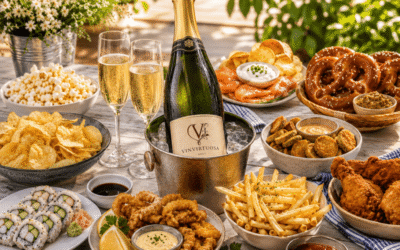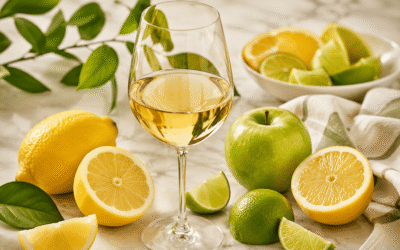
Raise a glass—National Sangria Day is here!
Every December 20th, we celebrate National Sangria Day, a toast to one of the most vibrant and versatile beverages in the world. Sangria is more than just a drink; it’s a celebration in a glass, a symphony of flavors blending wine, fresh fruit, and a touch of sweetness. Whether you’re sipping a chilled glass on a summer patio or enjoying a winter-spiced version by a crackling fire, Sangria has a way of capturing the spirit of any occasion.
But why does this fruity concoction deserve its own holiday? The answer lies in its rich history, its undeniable charm, and the joy it brings to gatherings worldwide. National Sangria Day is the perfect excuse to dive into the story of this iconic drink, try your hand at crafting your own Sangria masterpiece, and perhaps discover a new recipe to add to your repertoire.
In this post, we’ll explore the fascinating origins of Sangria, how it evolved into the global sensation we know today, and how you can celebrate its special day in style. Whether you’re a traditionalist who loves a classic red Sangria or an adventurous spirit seeking to experiment with unique flavors, this day is all about raising a toast to creativity and good cheer.
So, grab your favorite bottle of wine, a handful of fresh fruit, and let’s embark on a flavorful journey through the world of Sangria. Cheers to National Sangria Day—your official invitation to sip, savor, and celebrate!
What is Sangria?
At its core, Sangria is a delightful blend of wine, fresh fruits, and other ingredients designed to create a refreshing and flavorful drink. Its name, derived from the Spanish word sangre (meaning “blood”), reflects the deep red hue of the traditional version made with red wine. However, Sangria has evolved far beyond its origins, becoming a versatile beverage with endless possibilities.
The Basic Ingredients
The beauty of Sangria lies in its simplicity and adaptability. A classic Sangria typically includes:
- Wine: Traditionally red, but white wine, rosé, and even sparkling varieties have become popular.
- Fresh Fruits: Oranges, lemons, apples, and berries are common, but you can use whatever is in season.
- Sweeteners: Sugar, honey, or fruit juices enhance the natural sweetness of the wine and fruit.
- Liquor: A splash of brandy, triple sec, or another liqueur adds depth and complexity.
- Mixers: Soda water, sparkling water, or lemon-lime soda can be added for fizz and extra refreshment.
Endless Variations
Sangria’s flexibility is one of its greatest charms. While the classic red Sangria is a crowd favorite, creative variations abound:
- White Sangria: Made with white wine, it’s light, crisp, and perfect for showcasing delicate fruits like peaches, pears, and citrus.
- Rosé Sangria: A pretty pink twist with a balance of sweetness and tartness, often complemented by strawberries and raspberries.
- Sparkling Sangria: A celebratory version that incorporates sparkling wine or Champagne for festive occasions.
- Seasonal Sangria: Think autumn Sangria with apples, cinnamon, and cloves or a winter version with cranberries, pomegranate, and warming spices.
Why We Love It
Sangria is more than just a drink—it’s an experience. It’s communal, meant to be shared in pitchers at parties or family gatherings. Its vibrant colors and fragrant aroma make it as much a feast for the eyes as it is for the palate. Plus, its versatility allows you to adjust it to your taste, the occasion, or even what’s available in your kitchen.
Whether you’re sticking to a classic recipe or getting creative with your ingredients, Sangria is the ultimate blank canvas for your mixology imagination.
The Origins of Sangria
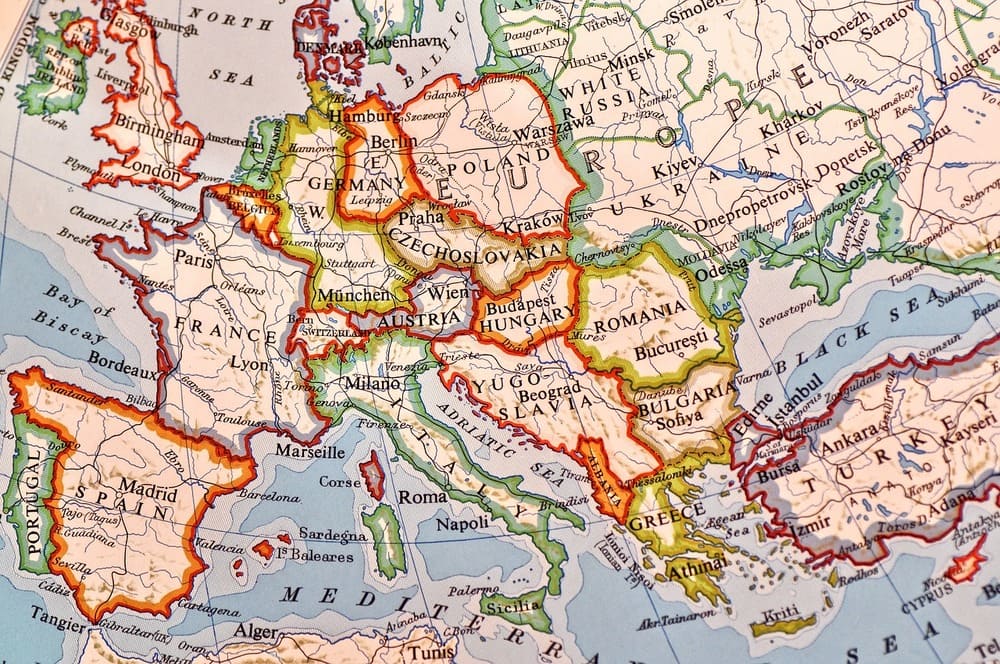
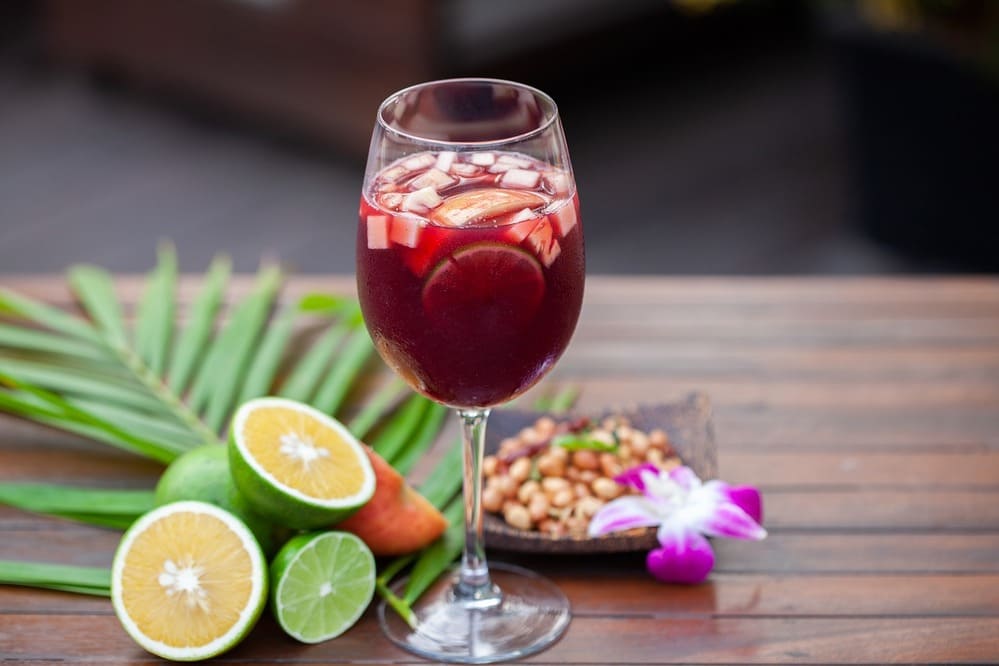
Sangria is as rich in history as it is in flavor, with roots stretching back thousands of years. This iconic beverage is thought to have originated on the Iberian Peninsula, where wine culture has flourished since ancient times. While the modern version of Sangria is synonymous with Spain, its story begins with the Greeks and Romans, who laid the groundwork for wine-based punches that would eventually evolve into the drink we know and love today.
Ancient Beginnings
In ancient Greece and Rome, wine was often mixed with water to make it safer to drink, as untreated water could harbor harmful bacteria. To enhance the flavor and provide additional health benefits, people added fruits, herbs, and spices to their wine. These early concoctions were the ancestors of Sangria, combining practicality with taste.
Sanngria’s Evolution in Spain
Fast forward to the Middle Ages, when Spain began cultivating its wine culture in earnest. The region’s red wines, particularly those from Rioja, became the backbone of what we now recognize as traditional Sangria. By the 18th century, Spanish winemakers were crafting refreshing, fruit-infused drinks to highlight their local wines, and Sangria began to take on its modern form.
The name “Sangria,” which means “bloodletting” in Spanish, is believed to reference the deep red color of the wine used in the original recipes. Over time, Sangria became a staple at Spanish gatherings, celebrated for its ability to showcase local wines and fresh, seasonal produce.
The Global Stage: Sangria’s World’s Fair Debut
Sangria’s rise to international fame began at the 1964 World’s Fair in New York City. Spain’s pavilion featured the fruity drink as a way to introduce American audiences to Spanish culture and cuisine. Visitors were captivated by the beverage’s vibrant flavor and festive presentation, and Sangria quickly became a symbol of summer relaxation and social gatherings in the United States.
A Drink for All Seasons
While Sangria is often associated with warm weather, its adaptability has made it a favorite year-round. Spanish families and tavernas have long embraced seasonal variations, using local fruits and spices to create versions of Sangria that reflect the flavors of spring, summer, autumn, and winter. This creativity has helped the drink endure as a beloved cultural tradition and a global sensation.
A Cultural Icon
Today, Sangria is more than just a drink; it’s a cultural ambassador for Spain and a celebration of conviviality. Whether served in a rustic clay pitcher at a Spanish taverna or in a chic glass at a rooftop bar, Sangria carries with it a sense of joy and togetherness that transcends borders.

Sangria’s Rise to Global Fame
Sangria’s journey from a local Spanish tradition to an international sensation is a story of cultural exchange, culinary curiosity, and the universal appeal of a drink that invites joy and togetherness.
The 1964 World’s Fair: A Defining Moment
The turning point in Sangria’s rise to fame came in 1964, when Spain introduced the beverage to the world at the World’s Fair in New York City. The Spanish pavilion showcased the best of the country’s culture, art, and cuisine, and Sangria was served to visitors as a quintessential taste of Spain.
- Why it Stood Out: Sangria’s fruity, refreshing profile stood in stark contrast to the more austere, formal wines of the time. It was approachable, fun, and festive—qualities that resonated with American audiences.
- The Spark of Curiosity: Visitors left the pavilion eager to recreate the experience at home, fueling a wave of interest in Spanish food and drink.
A Summertime Staple in the U.S.
Following the World’s Fair, Sangria quickly became a staple at summer gatherings across the United States. Its versatility and crowd-pleasing nature made it an ideal choice for barbecues, picnics, and outdoor parties. Restaurants and bars also began offering their own takes on Sangria, introducing it to an even wider audience.
- Pop Culture Boost: By the 1970s and 1980s, Sangria was making appearances in films, cookbooks, and lifestyle magazines, cementing its reputation as a go-to drink for relaxed entertaining.
Beyond Borders: Sangria’s Global Reach
As international travel became more accessible, Sangria found fans in travelers who experienced it firsthand in Spain and brought their love for the drink back to their home countries. Its global appeal lies in its adaptability: no matter where you are, you can craft a version of Sangria using local wines and fruits, making it both universally loved and uniquely regional.
A Modern-Day Favorite
Today, Sangria is celebrated worldwide as a drink that embodies the spirit of celebration and connection. It’s a staple on menus at Spanish-themed restaurants, a favorite at festivals and events, and a source of inspiration for mixologists. Modern interpretations range from elegant white wine Sangrias with exotic fruits to bold, spicy versions made with fortified wines and warming spices.
- Sangria in Pop Culture: Sangria’s vibrant, colorful appearance makes it a favorite subject for social media, where photos of fruit-filled pitchers and glasses have become a symbol of fun and relaxation.
Sangria Day: A Celebration of Its Legacy
National Sangria Day on December 20th serves as a reminder of just how far this iconic beverage has come. It’s a day to honor its Spanish roots, explore creative recipes, and, most importantly, share a glass (or pitcher) with friends and family.
How to Celebrate National Sangria Day
National Sangria Day is a time to indulge in the rich flavors of this beloved beverage while celebrating its vibrant heritage. Whether you’re a seasoned Sangria enthusiast or trying your hand at it for the first time, there are countless ways to make December 20th memorable. Here’s how to embrace the day in style
1. Make Your Own Sangria
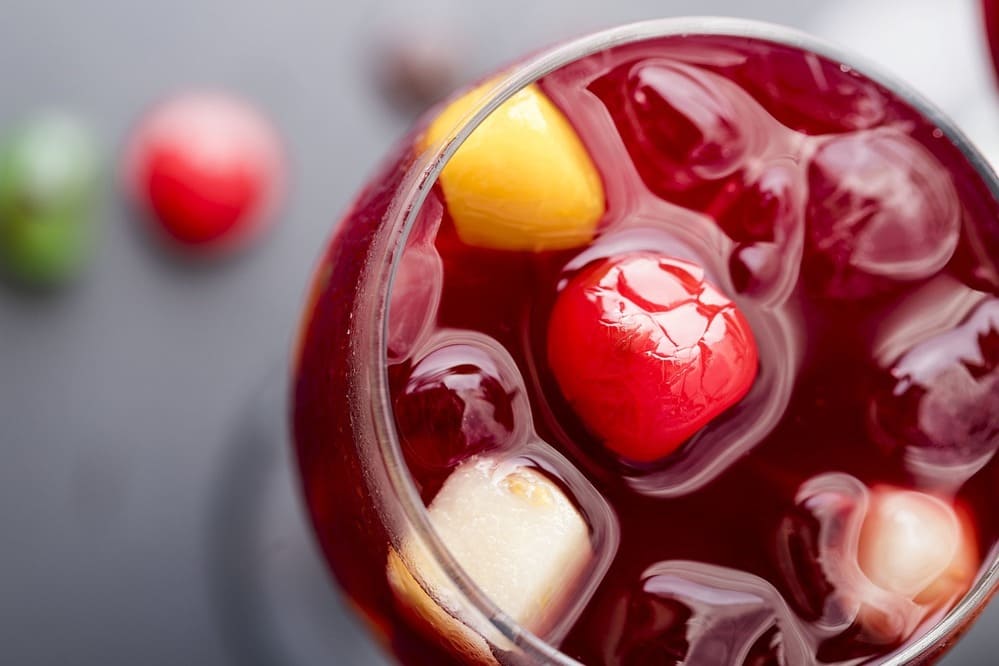
There’s no better way to celebrate than by creating your own Sangria masterpiece. The beauty of Sangria lies in its versatility—experiment with different wines, fruits, and mixers to craft a drink that reflects your personal taste.
- Classic Red Sangria: Start with a bold red wine like Tempranillo or Garnacha, add slices of oranges, lemons, and apples, and finish with a splash of brandy and a sweetener.
- White or Rosé Sangria: Use a crisp white or refreshing rosé, paired with fruits like peaches, pears, and strawberries. Add a splash of elderflower liqueur or white rum for a sophisticated twist.
- Seasonal Variations: For a winter-themed Sangria, incorporate cranberries, pomegranate seeds, and warming spices like cinnamon and cloves.
2. Host a Sangria Party
Turn National Sangria Day into a festive gathering by hosting a Sangria-themed party.
- Create a Sangria Bar: Set up a DIY Sangria station with pitchers of wine, bowls of fresh fruit, and an assortment of mixers and garnishes. Let guests craft their own creations.
- Pair It with Tapas: Serve traditional Spanish small plates like patatas bravas, chorizo, manchego cheese, and olives to complement the flavors of Sangria.
- Sangria Flights: Prepare multiple Sangria recipes and let guests sample a variety of styles, from classic to modern twists.
3. Share on Social Media
National Sangria Day is the perfect opportunity to share your love for this iconic drink with the world.
- Post Your Recipe: Share your favorite Sangria recipe or your own unique creation on social media, complete with vibrant photos.
- Use the Hashtag: Join the global celebration by using hashtags like #NationalSangriaDay or #SangriaLovers.
- Inspire Others: Share tips on how to craft the perfect Sangria, or showcase your party setup to inspire fellow enthusiasts.
4. Explore Sangria-Inspired Recipes
Sangria isn’t just for sipping—it can also inspire a range of creative dishes.
- Sangria-Soaked Desserts: Try making a Sangria-infused fruit salad, or soak pound cake slices in a Sangria reduction for a boozy treat.
- Cocktails with a Twist: Transform traditional Sangria into innovative cocktails, like Sangria martinis or frozen Sangria slushies.
- Sangria Jellies: Combine your Sangria mix with gelatin for a playful, wobbly dessert.
5. Visit a Spanish Restaurant or Winery
If you’re not up for crafting Sangria at home, why not head out to a local Spanish restaurant or winery? Many establishments host specials or events for National Sangria Day, offering you a chance to enjoy expertly crafted versions of this iconic drink.
6. Gift Sangria Kits
Spread the love by gifting DIY Sangria kits to friends and family. Include a bottle of wine, fresh fruit, a small bottle of brandy or liqueur, and a recipe card to get them started.
7. Toast to the Spirit of Sangria
At its heart, Sangria is a drink of celebration, community, and connection. Gather with loved ones, raise your glass, and toast to the joy of good company and delicious flavors. Cheers to Sangria—one of life’s simplest yet greatest pleasures!
Watch the Video on YouTube
Sangria and Food Pairings
Sangria isn’t just a delightful drink—it’s also incredibly food-friendly, making it a perfect companion for a wide variety of dishes. Its fruity flavors and refreshing nature complement everything from savory tapas to indulgent desserts, allowing you to elevate any meal or gathering. Here’s how to make the most of Sangria’s pairing potential.
Classic Red Sangria Pairings
Red Sangria, with its bold wine base, citrusy brightness, and hint of spice, pairs wonderfully with hearty and flavorful dishes.
- Tapas: Traditional Spanish tapas like chorizo, albondigas (meatballs), and croquetas are perfect companions. Their rich, savory profiles are beautifully balanced by the fruity sweetness of Sangria.
- Charcuterie Boards: A spread of cured meats like jamón serrano, salami, and spicy chorizo, paired with hard cheeses like Manchego and aged Gouda, creates a harmonious blend of flavors. Add marinated olives and crusty bread for extra flair.
- Paella: Whether it’s a seafood paella brimming with shrimp, mussels, and squid or a heartier version with chicken and sausage, red Sangria’s fruit-forward profile complements the dish’s saffron-infused richness.
- Grilled Meats: Sangria’s acidity cuts through the fattiness of grilled lamb chops, steak, or pork skewers, enhancing the smoky, charred flavors.
White Sangria Pairings
White Sangria, made with crisp white wines and light fruits, pairs best with fresh, delicate, and subtly spiced dishes.
- Seafood: Light seafood dishes like grilled shrimp, ceviche, or baked white fish pair beautifully with white Sangria’s refreshing, citrusy notes.
- Salads: Tossed green salads with citrus vinaigrette, or a Mediterranean salad with feta, olives, and cucumbers, mirror the bright flavors of white Sangria.
- Light Tapas: Pair white Sangria with stuffed piquillo peppers, garlic prawns, or a simple tortilla española for a delightful balance.
- Soft Cheeses: Brie, Camembert, or a creamy burrata served with fresh fruits like grapes and apples make for an elegant pairing.
Rosé Sangria Pairings
Rosé Sangria, with its floral and berry notes, strikes a balance between red and white, making it versatile for many dishes.
- Poultry: Grilled or roasted chicken dishes, especially those with herbaceous or fruity glazes, work well with rosé Sangria.
- Fruity Desserts: Berry tarts, strawberry shortcake, or a simple fruit salad with whipped cream enhance the wine’s delicate fruit flavors.
- Vegetarian Dishes: Rosé Sangria complements roasted vegetable dishes, quiches, or savory galettes filled with seasonal produce.
- Charcuterie with a Twist: Pair rosé Sangria with prosciutto-wrapped melon or smoked salmon for a sophisticated snack.
Seasonal Sangria Pairings
Seasonal Sangria recipes open up even more pairing possibilities, tailored to the time of year.
- Autumn/Winter Sangria: Pair a spiced, red-wine Sangria featuring apples, pears, and cinnamon with roasted pork, braised short ribs, or a festive holiday ham.
- Spring/Summer Sangria: A vibrant, citrus-forward Sangria is perfect with grilled fish tacos, caprese salad, or shrimp skewers.
The Tapas Experience: A Sangria Feast
For an immersive culinary experience, serve a variety of Sangrias alongside a diverse selection of tapas. This approach allows guests to explore different pairings and discover their favorites. Include dishes like:
- Garlic mushrooms (champiñones al ajillo)
- Patatas bravas (crispy potatoes with spicy tomato sauce)
- Gambas al ajillo (garlic shrimp)
- Padrón peppers, lightly fried and salted
Desserts and Sangria
Sangria isn’t just for the main course—it also shines with desserts.
- Red Sangria: Pair with rich chocolate desserts, like a flourless chocolate cake or dark chocolate truffles, to create a decadent contrast.
- White Sangria: Serve with lemon bars, panna cotta, or light vanilla-based treats to echo its citrusy brightness.
- Rosé Sangria: Complement fruity Sangrias with berry pavlovas, strawberry sorbet, or peach cobbler.
Sangria is a drink that invites creativity and flexibility, making it a joy to pair with food. Whether you’re planning a casual gathering or an elegant soirée, matching Sangria with the right dishes will elevate the entire experience.
Fun Sangria Facts
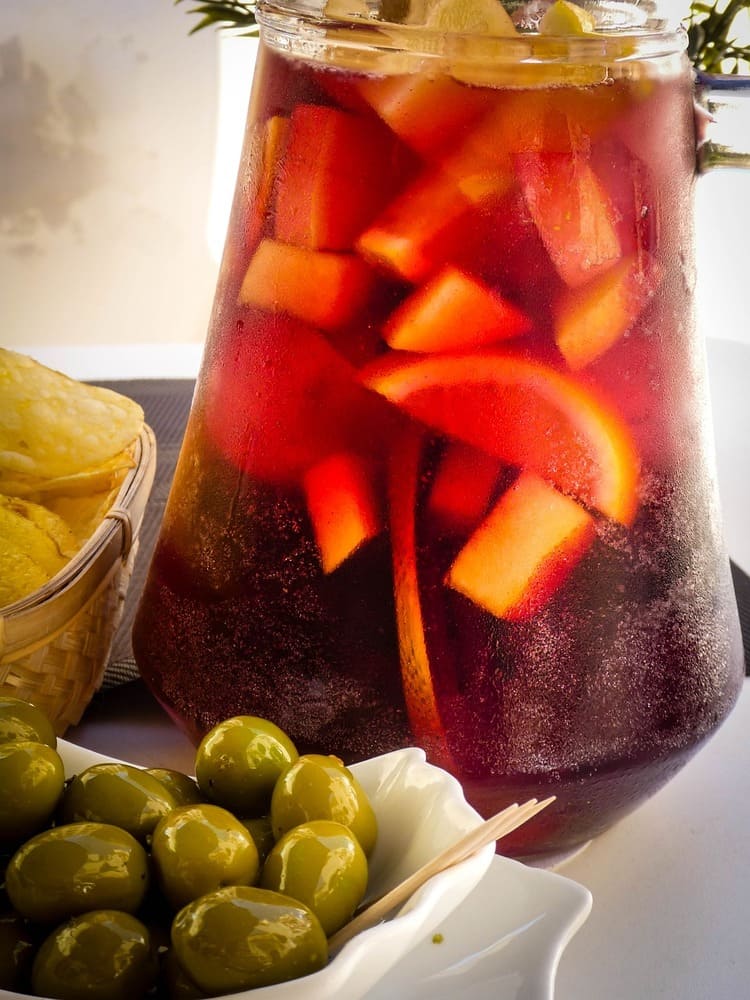
Sangria is more than just a delightful drink—it’s a cultural icon with fascinating stories, quirks, and traditions behind it. Here are some fun and intriguing facts about Sangria that might surprise you and make you love this beverage even more.
1. Sangria’s Name Has a Rich Origin
The word Sangria comes from the Spanish word sangre, meaning “blood,” referencing the deep red color of the traditional drink. While modern versions of Sangria include white, rosé, and even sparkling wines, its name remains tied to its crimson beginnings.
2. It’s Older Than You Think
Although Sangria gained global fame in the 20th century, its roots go back to the Roman Empire. Ancient Romans mixed wine with fruits, spices, and water to create a safer beverage than drinking plain water, which was often contaminated. This early version of Sangria laid the foundation for the drink we know today.
3. Sangria is Protected by European Law
Did you know that in Europe, Sangria is a geographically protected term? According to EU regulations, only beverages made in Spain or Portugal can be officially labeled as Sangria. Outside these countries, it must be marketed as “red wine punch” or something similar.
4. The Sangria Boom Began at the 1964 World’s Fair
Sangria’s leap into international fame is credited to the 1964 World’s Fair in New York City. Spain’s pavilion served Sangria to visitors, who fell in love with its refreshing taste and festive vibe. This event helped introduce Sangria to the U.S. and solidify its status as a global favorite.
5. There’s No Single ‘Right’ Way to Make Sangria
One of the most charming aspects of Sangria is its adaptability. Unlike many traditional drinks with rigid recipes, Sangria encourages creativity. From choosing the wine base to selecting fruits, liqueurs, and even herbs, the possibilities are endless.
6. Sangria Can Be Served Hot or Cold
While Sangria is typically enjoyed as a chilled, refreshing drink, there’s also a warm version perfect for colder months. Known as Sangria Caliente, this variation involves heating red wine with spices like cinnamon and cloves, much like mulled wine. It’s a cozy twist on the classic drink.
7. It’s Not Just Spanish
Though Sangria is synonymous with Spain, other countries have their own versions of wine punches. For instance:
- Portugal: Their take on Sangria often includes port wine or Madeira, giving it a richer flavor.
- Italy: Italians enjoy Sangria Italiana, which uses Italian wines and fruits like peaches and cherries.
- South America: Countries like Argentina and Chile have wine-based punches similar to Sangria, often featuring their local wines and tropical fruits.
8. Sangria Can Be a Work of Art
In Spain, Sangria is often served in beautiful, hand-painted ceramic pitchers. These vessels are both functional and decorative, adding an authentic touch to the Sangria experience. Many tourists bring these pitchers home as souvenirs.
9. Sangria Has Inspired Modern Drinks
Sangria’s versatility has inspired countless spin-offs and cocktails. For example:
- Sangria Slushies: A frozen treat blending Sangria with ice for a refreshing twist.
- Sangria Spritzers: Light and bubbly versions made with sparkling wine or soda water.
- Beer Sangria: A unique take mixing beer with citrus fruits and a splash of orange liqueur.
10. It’s a Summer and Holiday Favorite
While Sangria is often associated with sunny days and outdoor fiestas, it’s also a popular choice during the holidays. Seasonal ingredients like cranberries, pomegranates, and spices make it a festive drink for winter celebrations.
11. Sangria is a Staple at Spanish Festivals
In Spain, Sangria is a must-have at festivals, especially during outdoor gatherings like bullfights, flamenco shows, and fairs. It’s a drink that embodies joy, community, and celebration.
12. Sangria Can Be Surprisingly Healthy
While Sangria is undoubtedly a treat, it does have some health benefits when enjoyed in moderation. The antioxidants in red wine and the vitamins from fresh fruits make it a better choice than many sugary cocktails.
Sangria’s rich history, cultural significance, and endless versatility make it a drink worth celebrating—not just on National Sangria Day, but all year round! Would you like to add even more trivia or perhaps some visual elements for this section?
Conclusion
National Sangria Day isn’t just an opportunity to enjoy a refreshing glass of this iconic drink—it’s a celebration of culture, history, and the joy of coming together. Sangria’s journey from its ancient roots in the Roman Empire to its rise as a global favorite reflects its timeless appeal and incredible versatility. Whether served in a bustling Spanish plaza, poured from a hand-painted ceramic pitcher at a family gathering, or crafted with a modern twist for a festive holiday table, Sangria always carries the spirit of celebration.
On this day, we honor more than just a drink—we embrace the vibrant traditions it represents. From the bold, citrusy notes of classic red Sangria to the delicate floral aromas of a rosé version or the crisp, refreshing flavors of white Sangria, there’s a version for every palate, every occasion, and every mood. It’s not just a beverage; it’s an experience that invites creativity, connection, and exploration.
So, whether you’re raising a glass of your own homemade Sangria, exploring a new recipe, or simply enjoying it with your favorite meal, take a moment to savor the magic of this beloved drink. Let it remind you of sunny Spanish afternoons, the joy of good company, and the beauty of life’s simple pleasures.
As we celebrate National Sangria Day, let’s toast to the enduring charm of Sangria and the happiness it brings to tables and hearts worldwide. Cheers to a drink that’s as festive as it is flavorful, and as timeless as the traditions it represents. Salud!
Join the Celebration!
We’d love to see how you’re celebrating National Sangria Day! Share your favorite Sangria recipes, creative twists, or photos of your Sangria creations on social media. Use the hashtag #NationalSangriaDay and tag us—we might even feature your post! Let’s make this celebration as vibrant and colorful as Sangria itself. 🍹