
Introduction
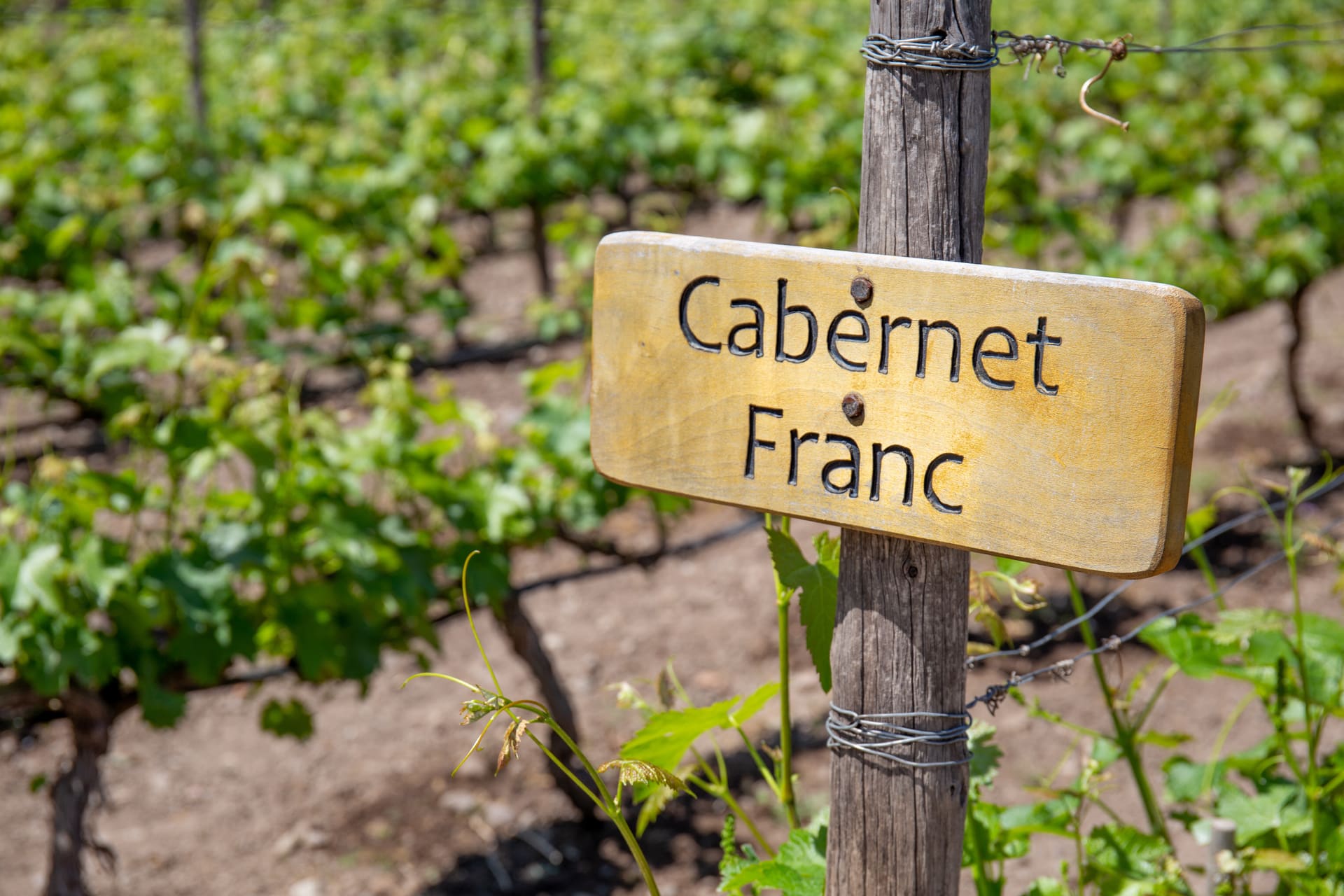
December 4th marks a special day for wine lovers: International Cabernet Franc Day! It’s a celebration of one of the most versatile and elegant grape varieties in the wine world. Cabernet Franc often plays the quiet hero, contributing structure and complexity to blends, but when it shines solo, its true character takes center stage.
Did you know Cabernet Franc is one of the parent grapes of the famous Cabernet Sauvignon? This ancestral role makes it a grape of historical importance. Its nuanced flavors and adaptability make it a favorite for winemakers and wine enthusiasts alike.
Whether you’re a seasoned oenophile or just discovering wine, today is the perfect excuse to dive into a glass (or two) of this remarkable varietal.
A Brief History of Cabernet Franc
Cabernet Franc’s story is one of ancient roots, noble lineage, and global influence. While its exact origins remain somewhat mysterious, the grape is believed to have originated in the Basque region along the border of France and Spain, making it one of Europe’s oldest cultivated grape varieties.
Early Days in France:
Cabernet Franc first gained prominence in the Loire Valley, where it was likely brought by monks in the Middle Ages. By the 17th century, it was thriving in Bordeaux, planted alongside other varieties such as Merlot and Cabernet Sauvignon. In Bordeaux, it became a key component in the blends of Saint-Émilion and Pomerol, prized for its aromatic complexity and the structural finesse it brought to wines.
The Parent of Cabernet Sauvignon:
One of Cabernet Franc’s most significant contributions to viticulture is its role as a parent grape to Cabernet Sauvignon. Sometime in the 17th century, Cabernet Franc naturally crossed with Sauvignon Blanc to produce Cabernet Sauvignon, arguably the world’s most famous red grape. This connection underscores Cabernet Franc’s importance in the history of winemaking, as it helped give rise to a grape that would dominate global wine production.
Expanding Beyond France:
As European winemaking traditions spread across the globe, so did Cabernet Franc. It found a new home in Italy, particularly in the northeastern regions like Friuli-Venezia Giulia and Veneto, where it often produces fresh, herbaceous wines. In Tuscany, Cabernet Franc has become a favorite among producers of Super Tuscans, where it shines as both a blending grape and in varietal bottlings.
The grape’s journey didn’t stop there. Cabernet Franc was introduced to the New World by settlers and winemakers, thriving in regions such as California, Washington State, Argentina, Chile, and South Africa. In the cooler climates of Canada and New Zealand, it developed an identity as a vibrant, aromatic red that reflects its terroir beautifully.
A Grape of Global Appeal
Today, Cabernet Franc is planted in vineyards around the world, from the hills of Hungary to the volcanic soils of Sicily and even the mountainous regions of China. While its popularity may not rival its offspring, Cabernet Sauvignon, it has a devoted following of winemakers and wine lovers who appreciate its elegance, versatility, and ability to express a sense of place.
Preserving Tradition and Innovation:
Despite its ancient roots, Cabernet Franc remains at the forefront of innovation. From its traditional stronghold in the Loire Valley, where it’s celebrated for its purity and finesse, to bold new interpretations in the Americas, Cabernet Franc continues to evolve while staying true to its heritage.
Cabernet Franc’s historical journey reflects its enduring versatility and timeless appeal. It has played a pivotal role in shaping the wine world and continues to enchant those who seek elegance and balance in every glass.
Characteristics of Cabernet Franc
Cabernet Franc is celebrated for its elegance, versatility, and expressive nature. Often referred to as the “parent” of Cabernet Sauvignon (alongside Sauvignon Blanc), it is one of the world’s most respected and widely planted red grape varieties. It excels both as a single varietal and in blends. Here’s what sets Cabernet Franc apart:
Aromas and Flavors
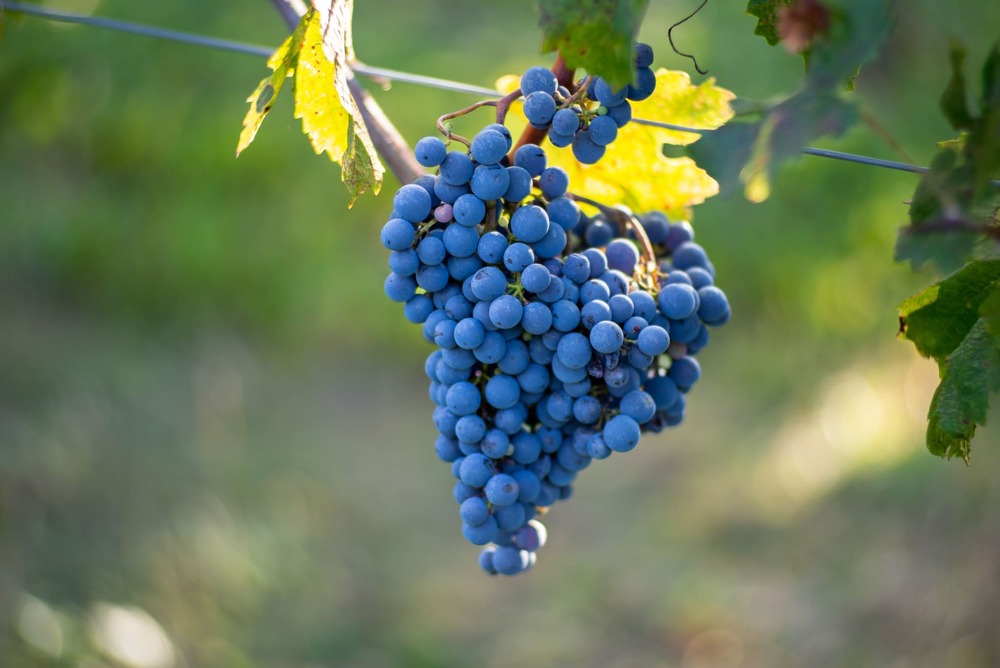
Cabernet Franc is renowned for its aromatic complexity. Red fruit notes like raspberry, strawberry, and cherry are its hallmark, often accompanied by floral hints of violets and peonies. In cooler climates, its herbal qualities—such as bell pepper, tomato leaf, and even wild herbs—shine through, lending an earthy freshness. In warmer climates, the profile leans toward riper fruit like blackberries and plums, with underlying notes of baking spices, cocoa, and sweet tobacco.
Additionally, Cabernet Franc often displays a distinctive mineral quality, with flavors reminiscent of wet stone, graphite, or even chalk, depending on the soil. This minerality is especially pronounced in wines from the Loire Valley, adding a layer of complexity to its flavor profile.
Structure
Cabernet Franc is medium-bodied, with a silky texture and polished tannins that are less imposing than those of Cabernet Sauvignon. Its naturally high acidity makes it vibrant and refreshing, ideal for food pairing and aging. While approachable in its youth, many examples can develop beautifully with age, revealing layers of leather, dried herbs, and savory umami notes.
Styles of Cabernet Franc
- Classic Old-World Styles:
Loire Valley Cabernet Franc wines are the epitome of finesse. These wines are often lighter in body, with a focus on purity of fruit, vibrant acidity, and earthy undertones. Think Chinon’s bright red berries and subtle green pepper or Saumur-Champigny’s silkier, floral-driven profile.
Bordeaux blends, particularly from Saint-Émilion and Pomerol, rely on Cabernet Franc to add aromatic complexity and structure. When used as a blending component, it complements Merlot’s plush fruit with a touch of freshness and spice. - New-World Interpretations:
In warmer climates like California and Argentina, Cabernet Franc takes on a more robust and fruit-forward character. Here, you’ll find darker fruit notes like blackberry, black cherry, and plum, often with a luscious texture and hints of vanilla, mocha, and oak.
Winemakers in Washington State and parts of South Africa add their own spin, creating wines that balance ripe fruit flavors with herbal and savory layers, emphasizing the grape’s versatility. - Cool-Climate Expressions:
In cooler regions like Canada’s Niagara Peninsula, the Finger Lakes, and New Zealand’s Hawke’s Bay, Cabernet Franc retains its bright acidity and delicate aromatics. These wines often feature a mix of red berries, fresh herbs, and a subtle spiciness, making them particularly appealing for those who enjoy lighter, elegant reds. - Rosé and Sparkling Wines:
- Cabernet Franc also lends itself beautifully to rosé production, particularly in the Loire Valley where rosé de Cabernet Franc is a specialty. These wines are fresh, vibrant, and brimming with strawberry and red currant flavors. Some producers even use it in sparkling wines, adding an aromatic, red-fruited charm to the blend.
The Magic of Terroir
What makes Cabernet Franc so fascinating is its ability to mirror the characteristics of the land it’s grown in. Whether it’s the chalky limestone soils of Chinon, the gravelly riverbeds of Bordeaux, or the volcanic ash of Etna in Sicily, the grape’s flavors and textures shift to reflect its environment while retaining its core identity.
Why it Captivates Wine Lovers
Cabernet Franc has a personality that appeals to both seasoned connoisseurs and those new to wine. It’s approachable yet layered, capable of being both light and nuanced or rich and structured. Its adaptability to various styles and regions ensures there’s always a new interpretation to explore, making it a favorite for adventurous palates.
Cabernet Franc Regions
While Cabernet Franc’s roots lie in France, its reach is truly global. Let’s take a closer look at some of the key regions producing exceptional examples of this varietal:
- Loire Valley, France: The heartland of single-varietal Cabernet Franc. Appellations like Chinon, Bourgueil, and Saumur-Champigny craft wines with bright acidity, earthy tones, and elegant fruit flavors.
- Bordeaux, France: Here, Cabernet Franc plays a supporting role, adding aromatic complexity to blends. Right Bank wines, especially from Saint-Émilion and Pomerol, often feature a higher proportion of Cabernet Franc.
- Italy: Known as “Cabernet Frank” in Friuli, this grape produces wines with vibrant fruit and a touch of spice.
- United States: California and Washington state are home to powerful yet polished Cabernet Franc wines, often with ripe fruit and smooth tannins.
- Argentina: In Mendoza, Cabernet Franc thrives in high-altitude vineyards, resulting in bold wines with a balance of fruit and freshness.
- South Africa: Producers in Stellenbosch are creating expressive, herbaceous examples with a unique South African twist.
Notable Producers
Old World Producers
France – The Birthplace of Cabernet Franc
- Domaine Charles Joguet (Loire Valley): A true legend of Chinon, this estate is celebrated for its terroir-driven expressions of Cabernet Franc. Their wines range from approachable and fruit-forward to age-worthy and complex, showcasing the grape’s versatility.
- Clos Rougeard (Loire Valley): Revered as one of the finest producers of Cabernet Franc, Clos Rougeard crafts wines with extraordinary depth and finesse. Their small-production bottlings have a cult-like following among wine enthusiasts.
- Château Cheval Blanc (Bordeaux): This premier cru estate in Saint-Émilion creates some of the world’s most iconic blends, with Cabernet Franc often taking center stage. The wine is a masterclass in elegance, structure, and longevity.
Italy – A Rising Star
- Le Macchiole (Tuscany): Known for their single-varietal Cabernet Franc called Paleo Rosso, Le Macchiole demonstrates how this grape can thrive in the sunny, rolling hills of Bolgheri, delivering richness, power, and refinement.
- Duca di Salaparuta (Sicily): This historic producer shows how Cabernet Franc can adapt to the Mediterranean climate, crafting wines with concentrated fruit flavors and a touch of volcanic minerality.
Hungary – A Hidden Gem
- Vylyan Vineyard and Winery (Villány): This region, often referred to as Hungary’s Bordeaux, produces stunning single-varietal Cabernet Franc. Vylyan’s wines are rich, velvety, and a testament to the grape’s potential outside its traditional strongholds.
New World Producers
United States – Bold and Diverse
- Lang & Reed (Napa Valley, California): A winery dedicated to celebrating Cabernet Franc, Lang & Reed creates wines that balance bright acidity with ripe fruit, offering a distinctly Californian take on this classic variety.
- Wölffer Estate (Long Island, New York): On the East Coast, Wölffer Estate is known for producing elegant, cool-climate Cabernet Franc with herbal and floral nuances, reflecting the terroir of the Hamptons.
- L’Ecole No. 41 (Walla Walla, Washington): Known for their nuanced and expressive wines, L’Ecole crafts a standout Cabernet Franc with a perfect balance of dark fruit, earthiness, and spice.
Argentina – The Andes Influence
- El Enemigo (Mendoza): Winemaker Alejandro Vigil creates wines that are bold yet refined, with Mendoza’s high-altitude vineyards lending fresh acidity and vibrant red fruit to their single-varietal Cabernet Franc.
- Bodega Aleanna (Uco Valley): This producer combines old-world techniques with new-world innovation, crafting age-worthy Cabernet Franc with layers of complexity and an elegant structure.
South Africa – A New Frontier
- Raats Family Wines (Stellenbosch): Widely regarded as South Africa’s premier Cabernet Franc producer, Raats creates wines that are both polished and soulful, with signature notes of cassis, herbs, and graphite.
- Warwick Estate (Stellenbosch): Known for their standout Blue Lady Cabernet Franc, Warwick Estate captures the grape’s pure expression with intense flavors and velvety tannins.
Australia and New Zealand – Emerging Excellence
- Yarra Yering (Yarra Valley, Australia): With a reputation for crafting elegant wines, Yarra Yering’s Cabernet Franc is aromatic and vibrant, with a focus on finesse and balance.
- Craggy Range (Hawke’s Bay, New Zealand): A boutique producer known for their attention to detail, Craggy Range delivers Cabernet Franc with purity and precision, offering dark fruit flavors and a silky texture.
Canada – Cool-Climate Charm
- Peller Estates (Niagara Peninsula): Cabernet Franc thrives in Ontario’s cool climate, and Peller Estates produces wines with fresh acidity, red berry flavors, and a touch of spice.
- Le Clos Jordanne (Niagara Peninsula): Known for their Burgundian-inspired approach, Le Clos Jordanne creates refined Cabernet Franc that reflects the unique terroir of the Niagara Escarpment.
From the elegant, terroir-driven wines of the Loire Valley to the bold and innovative expressions of the New World, these producers demonstrate the extraordinary range of Cabernet Franc. Explore these wineries to deepen your appreciation for a grape that continues to captivate winemakers and wine lovers worldwide.
What I am Drinking
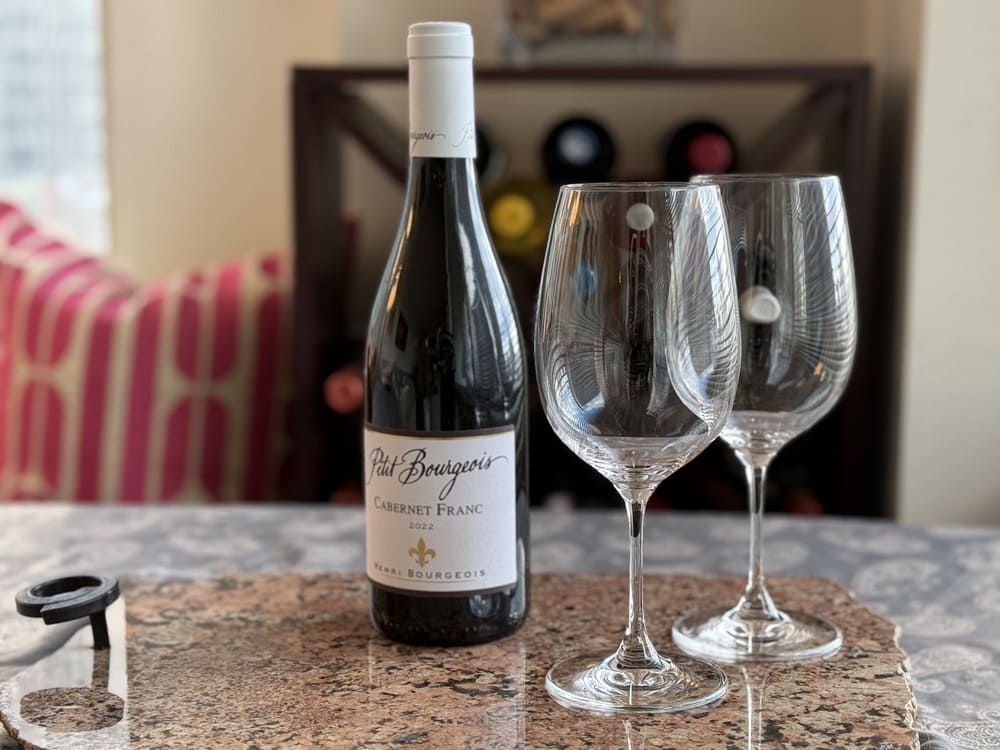
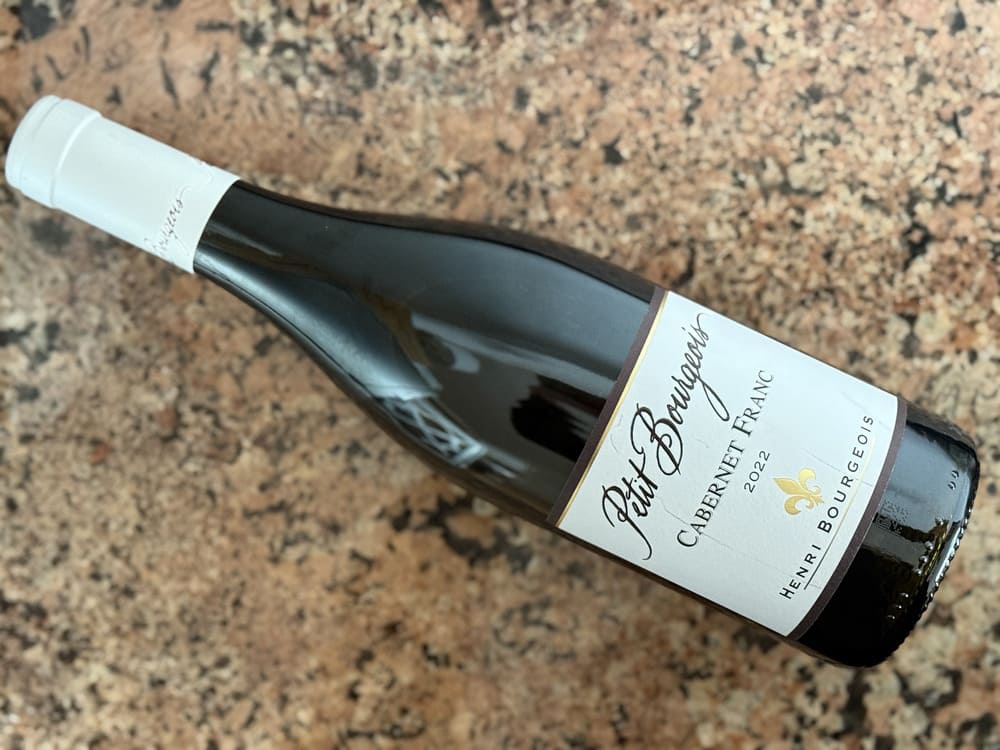
To celebrate International Cabernet Franc Day, I’ve chosen the Henri Bourgeois Petit Bourgeois Cabernet Franc 2022—a delightful expression of this versatile grape from the Loire Valley in France. This wine embodies the elegance, freshness, and terroir-driven qualities for which the region is renowned.
The Bourgeois family has been crafting wines in the Loire Valley for over ten generations. Located in the picturesque village of Chavignol, the winery is a benchmark for Sancerre and Pouilly-Fumé, though their expertise extends far beyond Sauvignon Blanc. Their commitment to sustainability, respect for nature, and meticulous winemaking techniques shine through in every bottle. The Petit Bourgeois line, including this Cabernet Franc, is a testament to their dedication to creating approachable, high-quality wines that reflect the spirit of the region.
The 2022 vintage pours a vibrant ruby red, hinting at the lively character within. On the nose, it greets you with a bouquet of ripe red berries—think cherries, raspberries, and cranberries—accented by subtle floral and herbal undertones of violets and thyme. A swirl in the glass reveals a touch of earthy minerality, a signature of the Loire Valley terroir.
On the palate, this wine is bright and fresh, with silky tannins and a balanced acidity that makes it irresistibly drinkable. Flavors of juicy red fruit are joined by whispers of green pepper and graphite, creating a layered and harmonious profile. It’s a lighter-bodied red, making it perfect for sipping on its own or pairing with a range of dishes.
What I appreciate most about this wine is its simplicity and charm. It’s not trying to be overly complex or bold; instead, it captures the essence of Cabernet Franc in its purest, most enjoyable form. This bottle is a reminder of why I fell in love with this grape—it’s unpretentious yet full of character.
Whether you’re a longtime fan of Cabernet Franc or just exploring the variety for the first time, the Henri Bourgeois Petit Bourgeois Cabernet Franc 2022 is an excellent choice to mark the occasion. Pour a glass, savor its elegance, and toast to a grape that continues to captivate wine lovers around the world.
Watch the Video on YouTube
Food Pairing Suggestions
Cabernet Franc’s hallmark balance of acidity, fruitiness, and herbal complexity makes it an exceptionally versatile wine for pairing with food. Its medium body and lively acidity can elevate a wide range of dishes, from casual fare to gourmet cuisine. Here are some expanded pairing ideas to inspire your next meal:
- Herb-Crusted Proteins:
Cabernet Franc loves herbs like thyme, rosemary, and sage. Pair it with herb-crusted lamb chops, rosemary roasted chicken, or pork tenderloin rubbed with garlic and fresh herbs. The wine’s herbal undertones echo these flavors beautifully, creating a harmonious match. - Grilled or Roasted Vegetables:
For plant-based pairings, grilled or roasted vegetables are an excellent choice. Think eggplant, zucchini, red peppers, or portobello mushrooms. The smoky char complements the earthy notes in Cabernet Franc, while the wine’s bright acidity cuts through the richness of the vegetables. - Tomato-Based Dishes:
Few wines can handle the acidity of tomatoes as gracefully as Cabernet Franc. It pairs effortlessly with ratatouille, spaghetti Bolognese, or a hearty lasagna. The wine’s red fruit flavors and subtle herbaceousness enhance the savory and tangy notes in these dishes. - Game Meats:
Cabernet Franc’s slightly rustic edge makes it an ideal partner for game meats like duck, venison, or wild boar. Try a seared duck breast with a cherry reduction sauce to highlight the wine’s fruit and spice notes. - Holiday Favorites:
Bring Cabernet Franc to the holiday table for a fresh take on classic dishes. It’s a delightful match for cranberry-glazed turkey, roast goose, or baked ham with a honey-mustard glaze. The wine’s acidity and red fruit tones balance the sweetness and richness of these festive meals. - Cheese Boards:
Cabernet Franc is a cheese lover’s dream. Pair it with creamy goat cheese, aged cheddar, or nutty Gruyère. For something unique, try it with a herbed Boursin or a smoky Gouda. Add dried cranberries and walnuts to your cheese board for extra synergy with the wine’s flavors. - Savory Pies and Tarts:
Quiches, savory tarts, and pot pies filled with ingredients like mushrooms, spinach, or caramelized onions pair wonderfully with Cabernet Franc. These dishes mirror the wine’s earthy and savory notes. - Spiced Dishes:
Lightly spiced dishes, like Moroccan tagines with apricots and almonds or Indian butter chicken with mild heat, can also pair well. The fruitiness of Cabernet Franc balances the spices without overwhelming the dish. - Unexpected Pairings:
- Don’t shy away from more unconventional pairings. Cabernet Franc can work surprisingly well with pizza topped with sun-dried tomatoes and arugula or even a smoky barbecue pulled pork sandwich. Its versatility allows for experimentation!
For dessert, you might think Cabernet Franc doesn’t fit the bill—but you’d be surprised. Consider a bittersweet chocolate tart or a red fruit cobbler. The wine’s berry notes will complement these desserts beautifully, creating a memorable finish to your meal.

Fun Ways to Celebrate International Cabernet Franc Day
International Cabernet Franc Day is the perfect excuse to enjoy this remarkable grape in all its glory. Whether you’re celebrating solo, with friends, or as part of a wine community, there are plenty of creative ways to mark the occasion. Here are some ideas to make your celebration extra special:
- Host a Regional Tasting Tour:
Cabernet Franc’s versatility means it’s grown in diverse regions around the world, each with its own unique expression. Gather wines from the Loire Valley, Bordeaux, California, Argentina, and South Africa, and host a tasting party. Discuss the differences in aromas, flavors, and styles while enjoying the grape’s global appeal. - Create a Food and Wine Pairing Experience:
Cabernet Franc’s food-friendly nature makes it the perfect wine for a pairing party. Curate a menu that includes herb-crusted meats, tomato-based dishes, and a variety of cheeses. Serve small plates or tapas alongside different styles of Cabernet Franc and see which combinations shine. - Virtual Cabernet Franc Happy Hour:
Can’t get together with friends in person? Host a virtual celebration instead! Coordinate with your wine-loving friends to open bottles of Cabernet Franc, then share tasting notes and stories online. Use video conferencing platforms to raise a toast together, no matter where you are. - Visit a Winery:
If you live near a region known for its Cabernet Franc production, why not spend the day at a winery? Many wineries host special events for wine holidays, and you might even get the chance to learn more about the winemaking process directly from the producers. - DIY Blind Tasting Challenge:
Add an element of mystery to your celebration with a blind tasting challenge. Wrap bottles in foil to hide the labels and test your palate by identifying the region, tasting notes, or even the vintage. This is a fun way to hone your wine-tasting skills and appreciate the subtleties of Cabernet Franc. - Cabernet Franc and Chocolate Pairing:
For those with a sweet tooth, explore how Cabernet Franc pairs with chocolate. Dark chocolate with fruit undertones is an especially good match for the wine’s berry flavors. Try it with chocolate truffles, a flourless chocolate cake, or even chocolate-covered strawberries for an indulgent treat. - Explore Wine Art or DIY Crafts:
Celebrate the artistic side of wine! You could paint a Cabernet Franc-themed piece, create a wine cork craft, or design your own label for a bottle. This is a great activity to enjoy with friends or family while sipping your favorite wine. - Document the Celebration:
Capture your Cabernet Franc Day memories by snapping photos of your wine, pairings, and celebrations. Share them on social media using the hashtag #CabFrancDay and join a community of wine lovers celebrating around the world. Don’t forget to tag wineries or wine shops to show your appreciation! - Cook with Cabernet Franc:
Cabernet Franc isn’t just for sipping—it’s fantastic for cooking, too. Make a rich reduction sauce to drizzle over steak, or use it as the base for a hearty beef stew. Cooking with the wine you’re drinking creates a cohesive dining experience and enhances the meal’s flavors. - Learn Something New About Cabernet Franc:
Take this opportunity to dive deeper into the history and characteristics of Cabernet Franc. Read books, watch documentaries, or listen to wine-focused podcasts to enrich your knowledge. You could even take an online class or join a wine club specializing in this grape. - Give the Gift of Cabernet Franc:
Introduce someone else to the beauty of Cabernet Franc by gifting them a bottle. Choose a producer or region you love and share why it’s special to you. Wine is always a welcome gift, especially when it comes with a personal recommendation! - Mix It Up with Cocktails:
For a creative twist, use Cabernet Franc to craft a unique wine cocktail. Consider a Cabernet Franc sangria with fresh berries and herbs or a wine spritzer for a lighter option. These cocktails are festive and fun for parties or casual gatherings. - Plan a Wine-Themed Movie Night:
- End your day with a cozy movie night featuring wine-themed films. Pair your Cabernet Franc with classics like Sideways, Somm, or A Year in Burgundy for the ultimate wine lover’s evening.
No matter how you celebrate, the key is to enjoy and share the joy of Cabernet Franc. Cheers to a grape that continues to surprise and delight wine lovers everywhere!
Closing Thoughts
Cabernet Franc is a grape that deserves its moment in the spotlight. Its elegance, complexity, and food-friendly nature make it a joy to explore. Whether you’re savoring a glass from the Loire Valley or discovering a bold expression from the New World, let’s raise a toast to this incredible varietal.
What are you drinking this International Cabernet Franc Day? Share your favorites in the comments or tag me in your wine celebrations!


