
History and Origins of Tempranillo
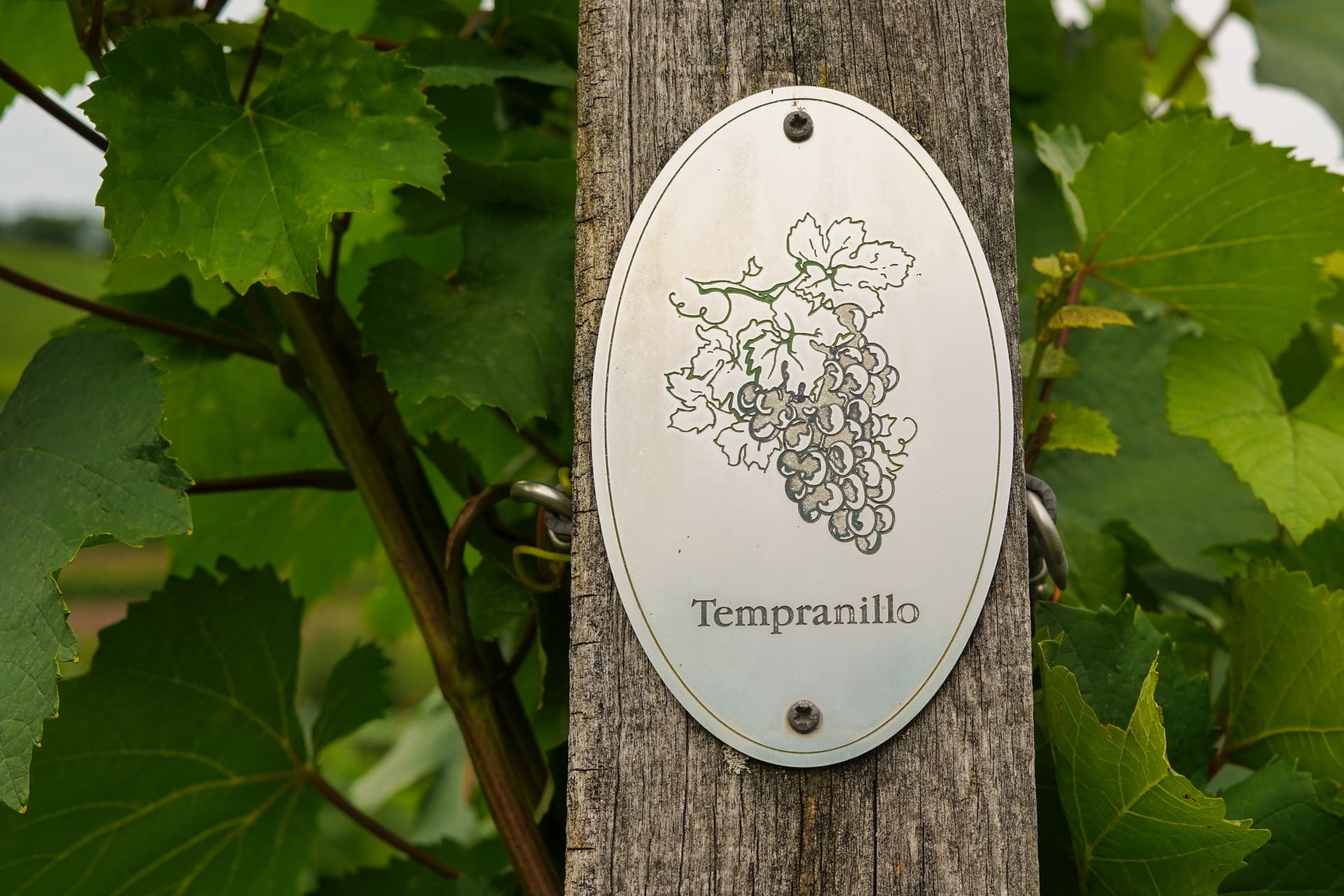
Tempranillo, often called the “noble grape of Spain,” has a rich and storied history dating back centuries. Its name comes from the Spanish word temprano, meaning “early,” a nod to its tendency to ripen earlier than other red grapes. Originating in Spain, Tempranillo is thought to have been cultivated as far back as the time of the Phoenicians, around 3,000 years ago, making it one of the oldest known grape varieties.
Over time, Tempranillo established its reputation within two renowned Spanish wine regions: Rioja and Ribera del Duero. In Rioja, Tempranillo is often blended with Garnacha (Grenache) to create wines that age gracefully, evolving complex flavors of dried fruit, tobacco, leather, and spices. Ribera del Duero, on the other hand, leans towards more intense, full-bodied expressions of Tempranillo, emphasizing dark fruit and earthy undertones.
As Spanish winemakers began traveling and sharing their techniques, Tempranillo made its way to Portugal, where it’s known as Tinta Roriz or Aragonez and used in both red wines and Ports. Over the last century, Tempranillo has spread to New World wine regions like California, Texas and Oregon in the United States, as well as Australia and Argentina. Winemakers worldwide are increasingly drawn to its versatility and expressive character and it has become a favorite for creating elegant, food-friendly wines.
Flavor Profile
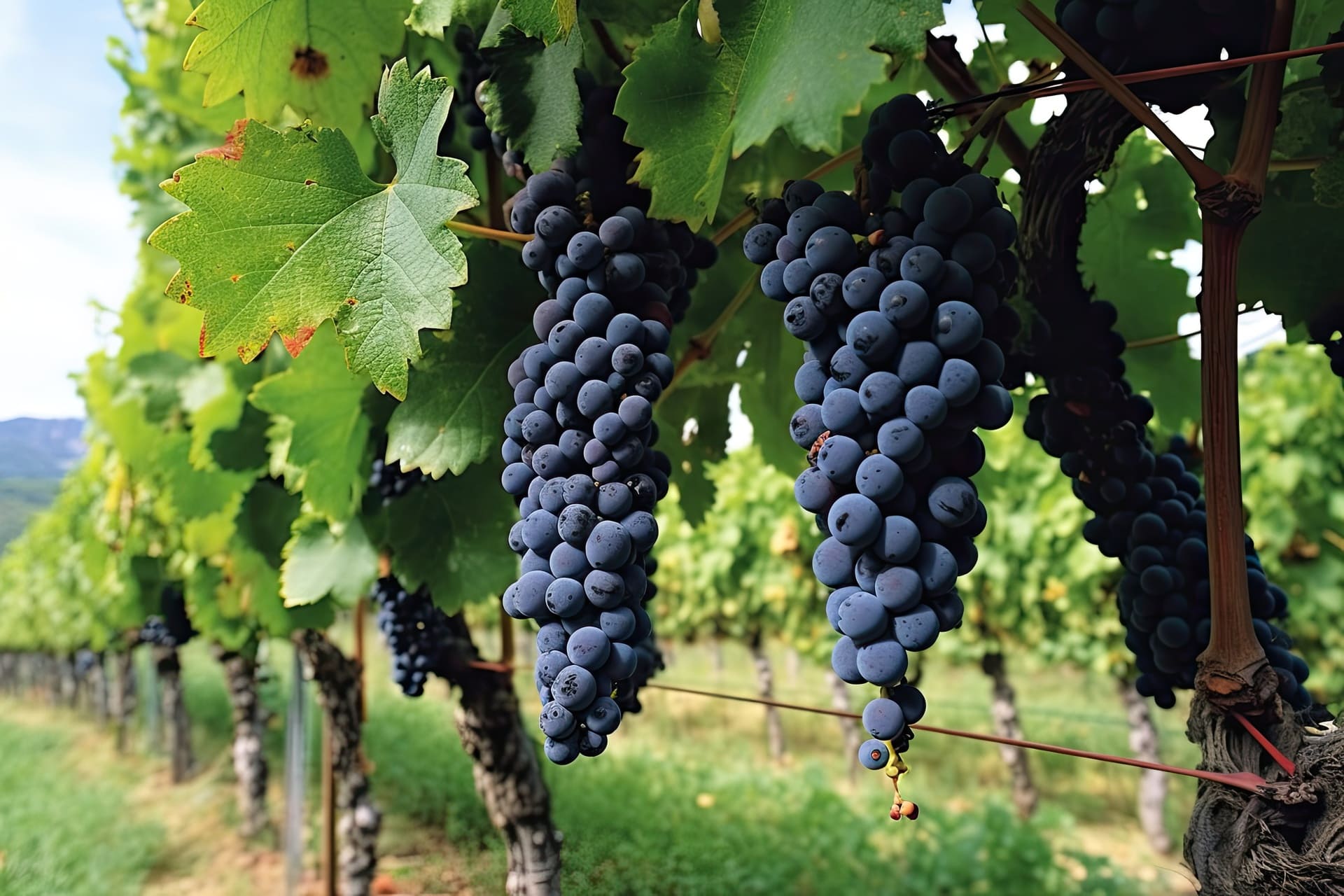
Tempranillo is celebrated for its versatility and depth, often offering a delightful balance between bold flavors and nuanced subtleties. At the core of Tempranillo’s flavor profile are rich notes of dark cherry, plum and blackberry, which create a juicy, fruit-forward experience in younger wines. These fruit flavors can range from fresh and vibrant to deep and stewed, depending on the climate and aging process.
As Tempranillo ages, it takes on a more complex, savory character. Oak aging, a hallmark of traditional Spanish winemaking, brings out distinctive aromas and flavors like vanilla, cedar, and tobacco. Many Tempranillo wines also showcase subtle notes of leather, clove, dill and spice, thanks to the grape’s natural affinity for barrel aging. In fact, it’s common to find Tempranillo labeled as Crianza, Reserva or Gran Reserva in Spain, designations that refer to aging time in oak and bottle. Each step up in aging generally reveals more evolved flavors, including earthy undertones and a smoother, silkier texture.
Tempranillo can also develop a surprising range of secondary flavors depending on where it’s grown. Wines from Rioja might lean into red fruit and herbal nuances, while those from Ribera del Duero tend toward denser black fruit and mineral notes. New World expressions, such as those from California and Australia, often highlight brighter fruit tones and a softer oak influence, appealing to fans of a more approachable, fruit-driven style.
In the glass, Tempranillo’s unique mix of bold fruit, earthy depth and savory flavors makes it an incredibly versatile wine. It strikes a satisfying balance between elegance and intensity, allowing it to appeal to a wide range of wine lovers, from those who enjoy lighter reds to fans of robust, full-bodied wines.
Wine Pairing Ideas
Tempranillo’s unique blend of fruit, earthiness and savory characteristics makes it a remarkably versatile wine at the table. Its medium to full body, balanced acidity and moderate tannins lend it well to a wide range of dishes, from robust meats to vegetarian fare. Here are some classic and creative pairing ideas to make the most of Tempranillo’s flavors.
- Spanish Tapas and Charcuterie
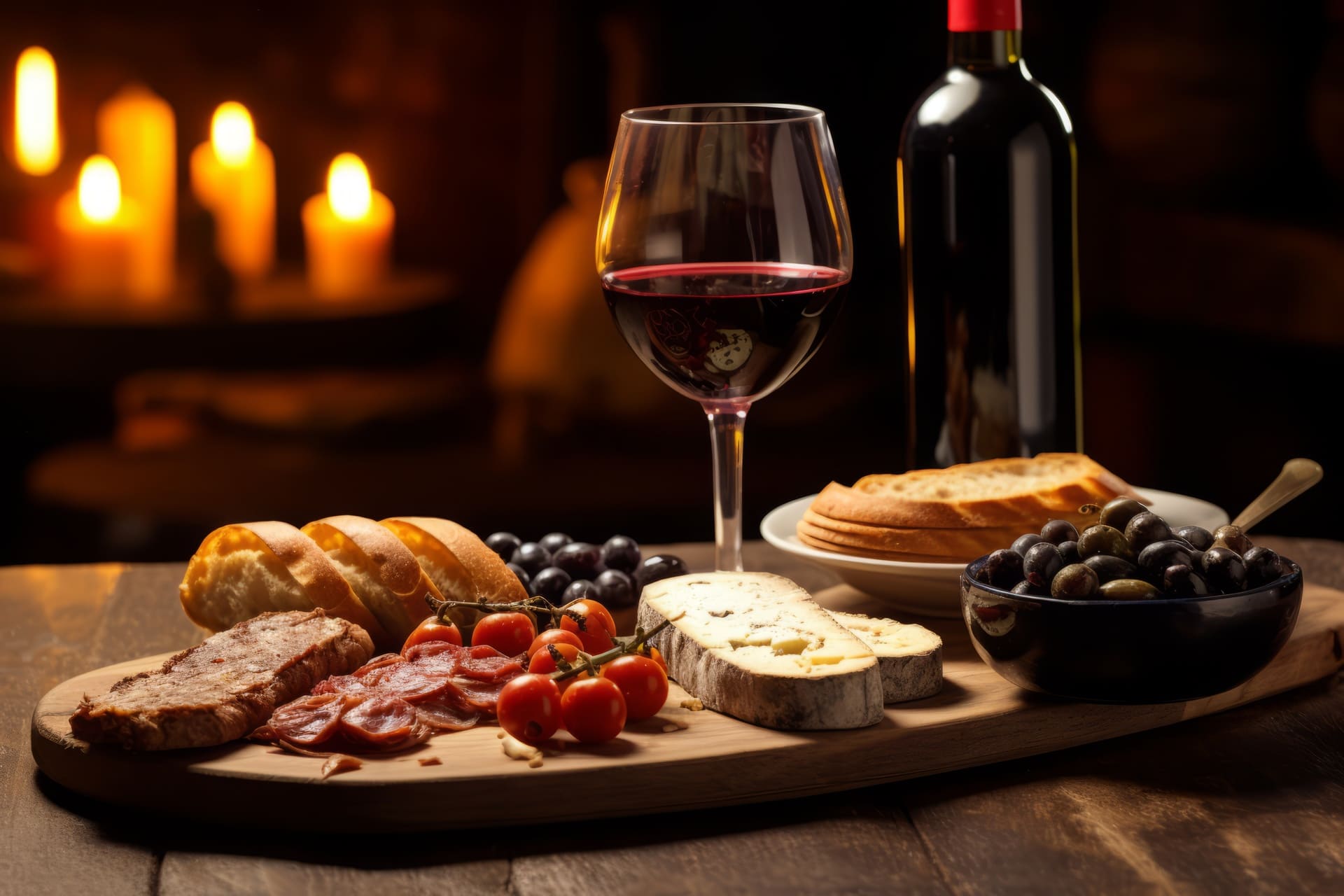
Tempranillo and Spanish tapas are a match made in heaven. Try pairing it with chorizo, jamón Ibérico and Manchego cheese for a classic Spanish experience. The wine’s fruitiness and mild tannins balance the saltiness of cured meats, while its earthy and spicy undertones complement aged cheeses and smoky sausages. - Roasted and Grilled Meats
Tempranillo shines alongside roasted or grilled meats, making it an ideal choice for hearty dishes like roast lamb, grilled steak or pork tenderloin. The wine’s rich berry flavors and hints of spice accentuate the savory flavors of the meat, while its acidity helps cut through the richness, especially when paired with fattier cuts. - BBQ and Smoked Meats
For fans of BBQ, Tempranillo’s slight smokiness and spice make it a natural partner to smoked ribs, brisket or pulled pork. The wine’s depth and structure stand up to smoky, sweet and tangy BBQ flavors, while its fruit character provides a counterpoint to the savoriness of the meat. - Savory Stews and Braised Dishes
Tempranillo pairs beautifully with hearty stews, especially those with tomato-based sauces like paella, lamb stew or osso buco. The wine’s acidity complements the acidity in tomatoes, while its earthy undertones enhance the depth of slow-cooked meats and root vegetables. - Mushroom and Truffle Dishes
For a more earthy pairing, try Tempranillo with mushroom risotto, truffle pasta or mushroom-stuffed ravioli. The wine’s natural earthiness and subtle smokiness mirror the flavors in mushrooms and truffles, creating a harmonious and elegant pairing that vegetarians will love. - Vegetarian and Vegan Options
Tempranillo’s versatility extends to plant-based dishes, especially those with rich flavors and umami. Pair it with eggplant lasagna, stuffed bell peppers or lentil shepherd’s pie. The wine’s acidity complements tomato and pepper-based sauces, while its structure and flavor enhance the umami in dishes with mushrooms, lentils or roasted vegetables. - Cheeses and Rustic Breads
- Tempranillo’s fruitiness and balanced tannins make it an ideal wine for a cheese board. It pairs wonderfully with a variety of cheeses, from aged Manchego and Gouda to creamy Brie and nutty Gruyère. Rustic bread with olive oil or rosemary-infused focaccia also make great accompaniments, highlighting the wine’s earthy undertones.
Whether you’re enjoying a traditional Spanish meal or experimenting with international flavors, Tempranillo’s balanced profile allows it to complement a wide range of dishes, making it the perfect wine to celebrate with on International Tempranillo Day.
Tempranillo Regions
Tempranillo’s adaptability has allowed it to flourish in diverse wine regions across the world, each producing distinctive expressions of this classic grape. From the rolling hills of Spain’s Rioja to the vineyards of California, here’s a closer look at some key regions where Tempranillo shines and the unique qualities each brings to the wine.
Spain
- Rioja, Spain
Rioja is often considered the birthplace and spiritual home of Tempranillo. Here, Tempranillo is typically blended with small amounts of Garnacha (Grenache), Graciano, and Mazuelo, which contribute complexity and structure to the wine. Rioja is also known for its distinctive aging classifications: Crianza, Reserva, and Gran Reserva. These categories refer to the amount of time the wine spends aging in oak barrels and bottle, with Gran Reserva undergoing the longest aging. Rioja Tempranillos are celebrated for their smooth, refined textures and balanced flavors of red fruit, spice, and vanilla, thanks to oak aging. - Ribera del Duero, Spain
Located in central Spain, Ribera del Duero has a unique high-altitude, continental climate that allows Tempranillo to develop rich, intense flavors while retaining acidity. Known locally as Tinta del País or Tinto Fino, Ribera del Duero’s Tempranillos are generally more robust and full-bodied than those from Rioja, with flavors of dark berries, plum, black cherry, and hints of earth and tobacco. The region’s wines are often aged in French oak, imparting a more subtle, smoky character compared to the American oak used in Rioja. - Toro, Spain
To the west of Ribera del Duero lies Toro, a region known for producing powerful, full-bodied Tempranillo wines with rich, concentrated fruit flavors. Here, Tempranillo goes by the name Tinta de Toro and the wines are known for their dark fruit, spice and notable tannic structure. The warm climate in Toro results in wines with higher alcohol and bold intensity, making them ideal for pairing with grilled or roasted meats. - La Mancha and Valdepeñas, Spain
In the central plains of Spain, La Mancha and Valdepeñas are two regions producing a significant amount of Spain’s Tempranillo. These regions are known for their affordability, making Tempranillo accessible to a wide audience. While La Mancha often produces lighter, fruit-forward styles, Valdepeñas is known for wines with good structure and smooth tannins. Both regions produce easy-drinking, approachable Tempranillo that offers great value.
Portugal
While Spain claims Tempranillo as its own, Portugal has a long history with the grape as well, where it’s called Tinta Roriz in the Douro Valley and Aragonez in Alentejo. In the Douro Valley, Tinta Roriz is a key grape in both red table wines and Port, contributing structure and dark fruit flavors. In Alentejo, Aragonez often takes on a juicier, more approachable style with softer tannins, influenced by the region’s warmer climate.
New World Regions
Outside the Iberian Peninsula, Tempranillo has found success in a variety of New World wine regions, each with its own twist on the classic grape.
- United States: Tempranillo is particularly well-suited to regions with a Mediterranean climate, such as California’s Central Coast and parts of Texas and Oregon. California Tempranillo often emphasizes ripe fruit flavors, with blackberry, cherry, and hints of spice, offering a more fruit-forward, approachable style. In Texas, Tempranillo has become one of the state’s flagship wines, producing bold, structured wines with notes of dried herbs and black fruit.
- Argentina: In Argentina, Tempranillo grows primarily in Mendoza, where high altitudes and ample sunlight help develop a fruit-forward, softer style with a balanced acidity. Tempranillo from Argentina tends to feature flavors of red and black fruits, alongside floral notes and a touch of spice.
- Australia: Australian winemakers have embraced Tempranillo, especially in warmer regions like McLaren Vale and the Barossa Valley. Australian Tempranillo is typically robust and fruit-driven, with lush berry flavors and a smooth texture, catering to those who enjoy a bold yet accessible wine.
Each of these regions brings out a unique side of Tempranillo, whether it’s the earthy, structured wines of Ribera del Duero or the lush, fruit-forward wines of California. This adaptability across climates and terroirs has cemented Tempranillo’s status as a truly global grape, celebrated by wine lovers around the world on International Tempranillo Day.
Noteworthy Producers
To fully experience the diverse expressions of Tempranillo, exploring wines from notable producers across various regions is a must. From traditional Spanish bodegas to innovative New World winemakers, these producers highlight the incredible range of Tempranillo styles, from classic, oak-aged Rioja to modern interpretations. Here are some top names to seek out when celebrating International Tempranillo Day.
- Bodegas López de Heredia (Rioja, Spain)
One of the oldest wineries in Rioja, López de Heredia is known for its dedication to traditional winemaking methods, with long aging in American oak barrels and extended bottle aging before release. Their Viña Tondonia Reserva and Gran Reserva are celebrated for their complexity, showcasing aromas of dried fruit, tobacco, and leather. This bodega is an excellent choice for wine enthusiasts looking to experience a classic, well-aged Rioja Tempranillo. - Vega Sicilia (Ribera del Duero, Spain)
Vega Sicilia is perhaps the most prestigious winery in Spain and is renowned for its iconic Unico, a powerful, age-worthy Tempranillo blend. Known for blending Tempranillo with a small percentage of Cabernet Sauvignon, Vega Sicilia’s wines are layered with dark fruit, earthy minerality, and firm tannins. This estate’s focus on quality and longevity has made it a benchmark for Ribera del Duero wines, prized by collectors worldwide. - Bodegas Muga (Rioja, Spain)
Bodegas Muga, located in the heart of Rioja Alta, is celebrated for combining traditional and modern winemaking techniques. They use both American and French oak in their aging process, resulting in wines that balance structure with elegance. Their Reserva and Prado Enea Gran Reserva showcase Rioja’s capacity for producing complex, age-worthy Tempranillos, with flavors of red fruit, spice, and vanilla. - Numanthia (Toro, Spain)
In the Toro region, Numanthia is a standout producer known for crafting powerful, full-bodied Tempranillo wines. Their wines, especially the flagship Termanthia, are made from old, ungrafted vines, some over 100 years old, resulting in intense, concentrated flavors. Expect deep black fruit, licorice, and earthy undertones, with firm tannins and a structure that allows for long aging. - Marqués de Riscal (Rioja, Spain)
Marqués de Riscal is a historic bodega with a reputation for producing some of Rioja’s finest wines. Known for its consistency and quality, Marqués de Riscal crafts Tempranillos that balance traditional flavors of dried cherry, vanilla, and spice with a smooth, approachable profile. Their Reserva and Gran Reserva are great examples of classic Rioja, and the winery’s stunning architecture has also made it a popular destination for wine lovers. - R. López de Heredia Viña Bosconia (Rioja, Spain)
Another iconic Rioja producer, R. López de Heredia is famed for its commitment to age-worthy wines. The Viña Bosconia is a blend of Tempranillo with Garnacha and other traditional varieties, creating wines with a remarkable ability to age gracefully. Expect layers of complexity, with aromas of cedar, red currants, and leather, as well as a velvety texture. - Alión (Ribera del Duero, Spain)
Founded by Vega Sicilia, Alión offers a more modern take on Ribera del Duero Tempranillo. These wines are 100% Tempranillo, with a focus on lush, ripe fruit and a smooth, approachable structure. Aged in French oak, Alión’s wines exhibit flavors of black cherry, plum, and spice, and they’re known for being accessible in their youth while still aging gracefully. - Torres (Catalonia, Spain)
Miguel Torres is a renowned Spanish winemaker known for innovation and sustainability. While based in Catalonia, Torres has expanded production across Spain, including Tempranillo wines that are sustainably farmed and crafted with a modern approach. Celeste Crianza from Ribera del Duero is a notable example, offering rich fruit flavors with a refined structure. - Bodegas Carchelo (Jumilla, Spain)
Known for producing modern, fruit-forward Tempranillo wines, Bodegas Carchelo in Jumilla offers an alternative Spanish expression of the grape. Here, the warm climate creates bold, ripe flavors with hints of spice and herbs. Carchelo’s wines are typically more affordable, making them a great option for those looking to explore Tempranillo on a budget. - Pedernales Cellars (Texas, USA)
Pedernales Cellars is a pioneer of Texas Tempranillo, producing wines that embrace the Lone Star State’s warm climate and unique terroir. Known for their dark fruit flavors, hints of cocoa, and approachable tannins, Pedernales Cellars’ Tempranillo wines are helping put Texas on the map as a serious contender in New World Tempranillo production. - Crown Valley Winery (Missouri, USA)
Crown Valley Winery has made a name for itself by producing high-quality Tempranillo wines in Missouri. Their wines often showcase flavors of red berries, earth, and spice, with a smooth finish. It’s an exciting option for those looking to try a more unexpected expression of Tempranillo from a lesser-known region.
What I am Drinking on International Tempranillo Day
To celebrate International Tempranillo Day, I’ve chosen a bottle that embodies the richness and tradition of Spanish Tempranillo: Los Hermanos Manzanos 2013 Rioja Gran Reserva. This wine is a fantastic example of what aging can do for Tempranillo, offering the kind of depth and complexity that makes Rioja Gran Reservas so revered.
The 2013 Los Hermanos Manzanos Gran Reserva is aged to perfection, with over five years in oak and bottle before release. This aging process allows the wine’s bold fruit flavors to soften and mature, bringing forward beautifully layered notes of dried cherry, plum, tobacco, and subtle vanilla from the oak. On the palate, it’s elegant and balanced, with a velvety texture, refined tannins, and a lingering finish that reflects its careful crafting.
Pairing this wine is a joy—it’s perfect with classic Spanish tapas like Manchego and jamón Ibérico, or even heartier dishes like roasted lamb or mushroom risotto. But for today, I’m enjoying it on its own, savoring each sip and the complex flavors that have developed over time.
If you’re looking for a special Tempranillo to mark the occasion, I highly recommend trying a Rioja Gran Reserva like Los Hermanos Manzanos 2013. It’s a wine that showcases the best of Tempranillo’s aging potential and the elegance of traditional Rioja winemaking. Cheers to a wonderful International Tempranillo Day!
Watch the Tasting on YouTube!
Conclusion
International Tempranillo Day is a perfect occasion to celebrate one of the world’s most versatile and food-friendly grapes. Whether you’re savoring a traditional Rioja, exploring the bold flavors of Ribera del Duero, or sampling a New World expression, Tempranillo offers a world of tastes and styles. Its ability to age gracefully, adapt to diverse climates, and pair seamlessly with a range of foods has earned it a beloved place in the wine world.
So, as you pour a glass of Tempranillo, take a moment to appreciate the centuries of tradition behind it and the unique story each bottle tells. Whether you’re enjoying it with friends, pairing it with a great meal, or exploring new producers, raise your glass and toast to the many flavors and traditions of Tempranillo. Here’s to celebrating International Tempranillo Day and discovering the timeless appeal of this exceptional grape. ¡Salud!


