
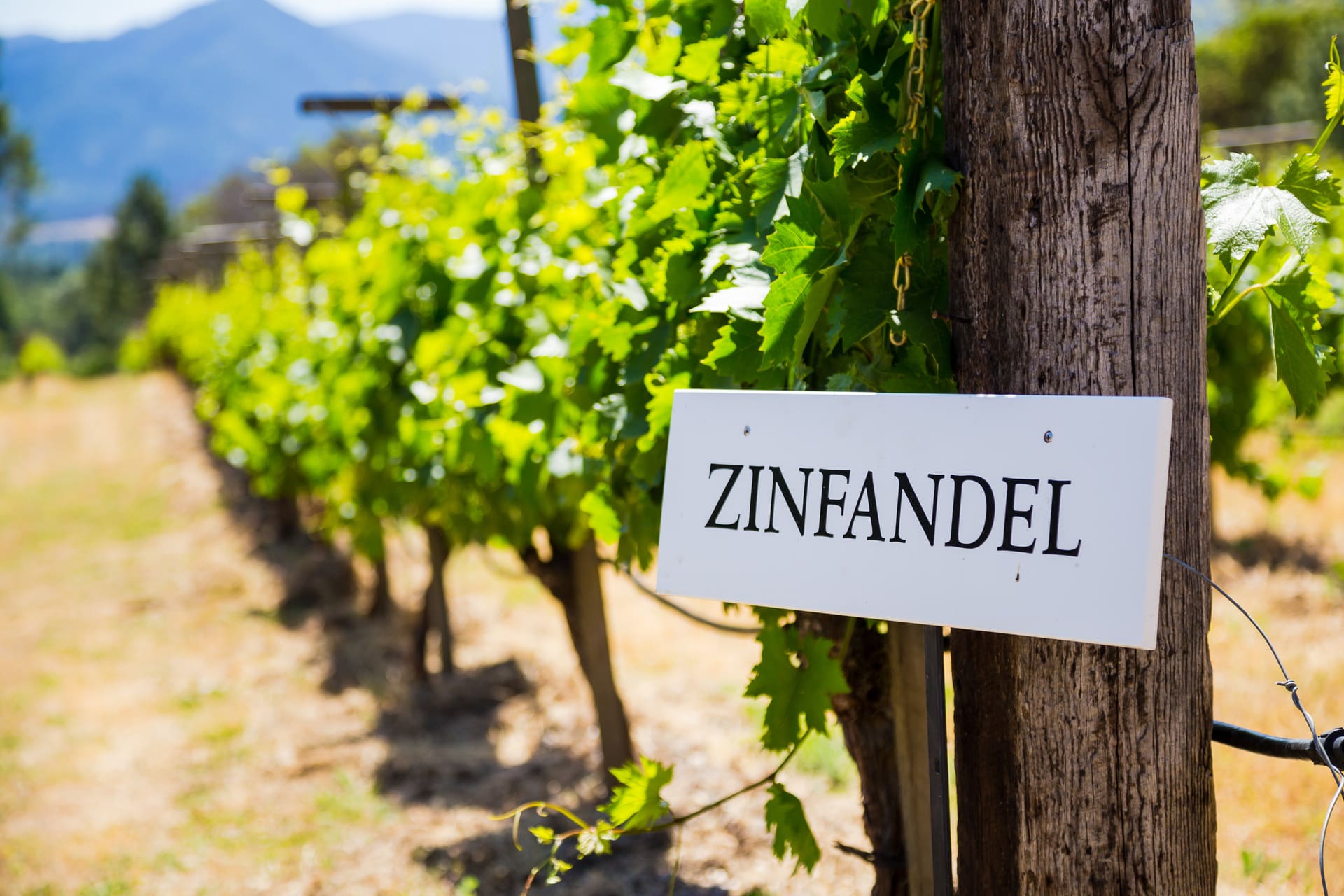
History and Origins of Zinfandel
Zinfandel’s story is as rich and layered as the wines it produces, with a history that spans continents and centuries. While it’s now celebrated as California’s signature grape, Zinfandel’s roots trace back to Europe, showcasing its global journey and transformation.
From Croatia to Italy to California
The origins of Zinfandel can be traced to the Dalmatian coast of Croatia, where it’s known as Crljenak Kaštelanski. Genetic research in the early 2000s confirmed that Zinfandel and Crljenak Kaštelanski are, in fact, the same grape, solving a long-standing mystery about its lineage. From Croatia, the grape made its way to southern Italy, where it became known as Primitivo, thriving in the warm Mediterranean climate of Puglia.
Primitivo, like Zinfandel, produces robust, fruit-forward wines, though Italian Primitivo often exhibits a more earthy, savory profile due to regional winemaking traditions. While the two names refer to genetically identical grapes, stylistic differences have emerged over time, shaped by regional preferences and terroir.
Zinfandel’s Journey to America
In the early 19th century, vines were transported to the United States, likely through Austrian or Italian intermediaries. Zinfandel arrived in Boston, where it was initially cultivated in greenhouses as a table grape. However, by the 1850s, it had made its way to California during the Gold Rush, where the state’s warm, sunny climate proved ideal for growing it as a wine grape.
Zinfandel quickly gained popularity among California settlers, becoming a staple of vineyards across the state. Its adaptability, resilience, and productivity made it a reliable choice, and it played a pivotal role in establishing California as a wine-producing region.
A Grape of Resilience and Reinvention
Zinfandel’s journey hasn’t always been smooth. During Prohibition (1920-1933), many vineyards were abandoned or replanted with table grapes, and Zinfandel fell out of favor. However, a loophole allowed individuals to produce small quantities of homemade or “sacramental” wine, keeping the grape alive. In this period, Zinfandel often served as the backbone for hearty red blends.
The mid-20th century brought another challenge: the rise of White Zinfandel. Created almost accidentally by winemaker Bob Trinchero of Sutter Home in the 1970s, White Zinfandel is a sweeter, blush-style wine made from red Zinfandel grapes. While it introduced Zinfandel to a new audience, it also overshadowed the potential of its red counterpart.
A Modern Renaissance
Starting in the late 20th century, winemakers began to rediscover the full potential of red Zinfandel. Producers like Ridge Vineyards and Ravenswood championed single-vineyard Zinfandels, showcasing the grape’s ability to express terroir and produce wines with bold fruit, spice, and complexity.
Today, Zinfandel stands as an emblem of California’s wine heritage, celebrated for its versatility and resilience. Its dual identity—both as California’s signature grape and a cousin to Italy’s Primitivo—adds to its allure, making it a favorite for winemakers and wine enthusiasts worldwide.
Flavor Profile
Zinfandel is a grape of remarkable versatility, producing wines that range from bold and fruit-forward to elegant and nuanced. Its flavor profile is deeply influenced by where and how it’s grown, making each bottle a reflection of its origins and winemaker’s style. Whether you’re sipping a robust red or a refreshing rosé, Zinfandel offers a sensory experience that’s hard to forget.
Signature Characteristics
At its core, Zinfandel is known for its bold fruit flavors. Depending on the ripeness of the grapes and the winemaking techniques used, you might encounter a spectrum of flavors that appeal to a variety of palates:
- Primary fruit flavors: Ripe blackberry, raspberry, plum, and black cherry dominate the palate, often with a jammy richness in warmer climate wines.
- Spice and herbaceous notes: Black pepper, licorice, clove, and cinnamon often complement the fruit, adding complexity.
- Hints of earth and smoke: Some Zinfandels carry subtle notes of tobacco, leather, or a smoky quality, especially when aged in oak barrels.
The Influence of Terroir
Zinfandel is particularly sensitive to its growing environment, which means the flavors can vary widely depending on the region:
- Warm climates (like Lodi or Paso Robles): These regions produce Zinfandels with lush, jammy fruit flavors and softer acidity, often accompanied by a higher alcohol content.
- Cooler climates (like Dry Creek Valley or parts of Sonoma): Cooler regions yield more structured Zinfandels with bright acidity, red fruit notes, and a balance of spice and earth.
- Old-vine Zinfandel: Many of California’s Zinfandel vineyards are over 50 years old, and wines made from these vines often have concentrated flavors, complex aromas, and a silky texture.
Style Diversity
One of Zinfandel’s greatest strengths is its ability to shine in different styles:
- Classic red Zinfandel: The most familiar style, offering a balance of bold fruit, spice, and medium-to-full body.
- White Zinfandel: A rosé-style wine that’s lighter, sweeter, and often the entry point for new wine drinkers. Despite its popularity in the 1970s and 1980s, it often overshadows the quality of red Zinfandel.
- Late-harvest and dessert wines: Zinfandel grapes left on the vine longer can produce rich, sweet wines with flavors of dried fruit, chocolate, and spice.
Winemaking’s Roled in Flavor
The winemaker’s choices play a critical role in shaping Zinfandel’s flavors:
- Oak aging: Most Zinfandels are aged in oak barrels, which impart flavors of vanilla, coconut, and baking spices. The degree of oak influence depends on the type of barrel (French vs. American oak) and the length of aging.
- Alcohol levels: Zinfandel tends to have higher alcohol content (often 14%-16%), which enhances its bold fruit flavors and contributes to its warmth on the palate.
- Blending: While many Zinfandels are single-varietal, it’s not uncommon to see them blended with Petite Sirah or other grapes to add structure and depth.
Zinfandel’s flavor profile is a testament to its adaptability and complexity. Whether you prefer a fruit-forward, jammy wine or a more structured and spicy expression, Zinfandel has a bottle to match your taste.
Wine Pairing Ideas for Zinfandel
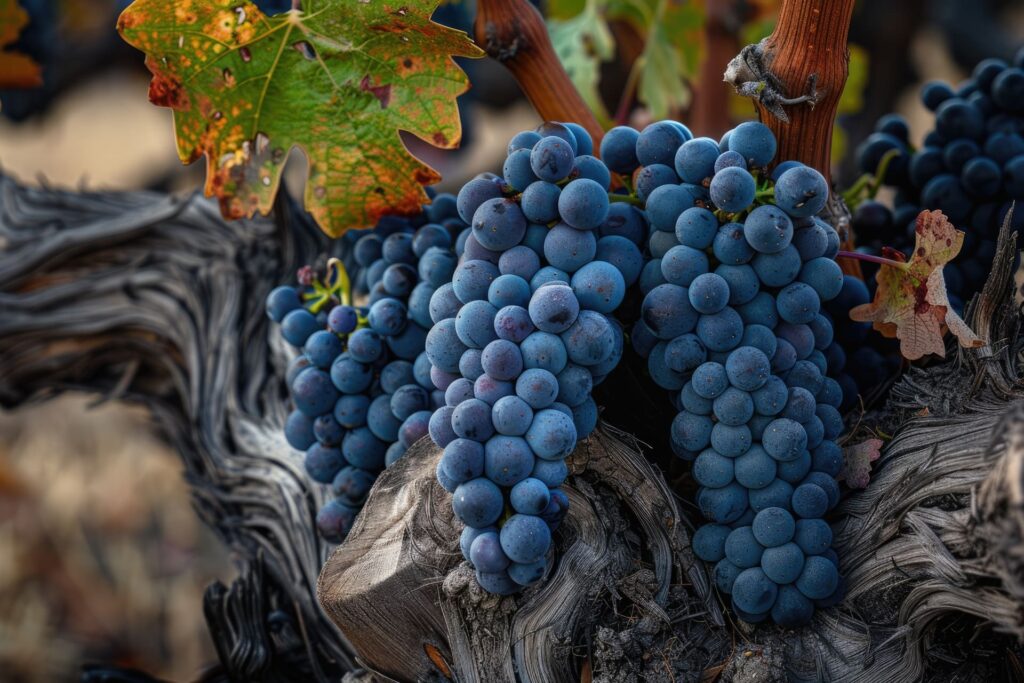
Zinfandel’s bold flavors, vibrant acidity, and diverse styles make it a versatile companion for a wide range of dishes. Whether you’re firing up the grill, planning a cozy holiday meal, or indulging in a rich dessert, there’s a Zinfandel pairing that’s sure to delight.
Classic Pairings: Grilled and Smoked Meats
Zinfandel’s rich, fruit-forward profile and spicy undertones make it a natural partner for grilled and smoked meats:
- Barbecue favorites: The smoky, tangy flavors of barbecued ribs, pulled pork, or brisket pair beautifully with Zinfandel’s ripe fruit and peppery notes.
- Burgers: A juicy burger topped with caramelized onions, blue cheese, or barbecue sauce pairs perfectly with Zinfandel’s robust flavors.
- Sausages: Grilled sausages with herbs or spice match the wine’s savory and peppery qualities.
Comfort Food and Hearty Dishes
Zinfandel shines with comforting, flavor-packed dishes that mirror its bold personality:
- Hearty pasta dishes: Think rich bolognese, lasagna, or penne arrabbiata with their robust tomato sauces and spices. Zinfandel’s acidity cuts through the richness while complementing the dish’s flavors.
- Pizza: A wood-fired pizza with toppings like spicy pepperoni, sausage, or roasted vegetables pairs wonderfully with Zinfandel’s fruit-forward and spicy profile.
- Beef stew or chili: The earthy, smoky flavors of a slow-cooked beef stew or chili are enhanced by the wine’s depth and spice.
Holiday and Seasonal Pairings
Zinfandel’s versatility makes it a star during holiday gatherings:
- Turkey with cranberry sauce: The tartness of cranberry sauce complements Zinfandel’s bright berry flavors, while its acidity cuts through the richness of the turkey.
- Glazed ham: The sweetness of a honey-glazed ham pairs beautifully with the jammy notes in Zinfandel.
- Roast pork with spices: The savory, herbaceous quality of roast pork finds harmony with Zinfandel’s fruity yet peppery profile.
Spiced and Exotic Dishes
For adventurous palates, Zinfandel pairs surprisingly well with spiced cuisines:
- Indian curries: Lamb curry or tikka masala balances the wine’s fruity sweetness with the dish’s heat and spices.
- Mexican dishes: Mole poblano or smoky adobo tacos are lifted by Zinfandel’s spice and dark fruit flavors.
- Moroccan tagines: The combination of dried fruits, nuts, and warm spices in tagines plays beautifully with Zinfandel’s richness.
Unexpected Pairings: Desserts and Chocolate
Zinfandel can also be a fantastic partner for desserts, particularly those with a rich or spiced profile:
- Dark chocolate: The wine’s blackberry and spice notes complement the bitterness and depth of dark chocolate.
- Berry desserts: A warm blackberry cobbler or raspberry tart mirrors the wine’s fruit-forward character.
- Spiced cakes: Desserts like gingerbread or spice cake work well with Zinfandel’s cinnamon and clove undertones.
Zinfandel’s pairing possibilities are nearly endless. Its bold fruit, balanced acidity, and spicy undertones make it a true crowd-pleaser, whether you’re hosting a backyard barbecue or a festive holiday dinner. Next time you open a bottle of Zinfandel, experiment with one of these pairings to elevate your meal to the next level!
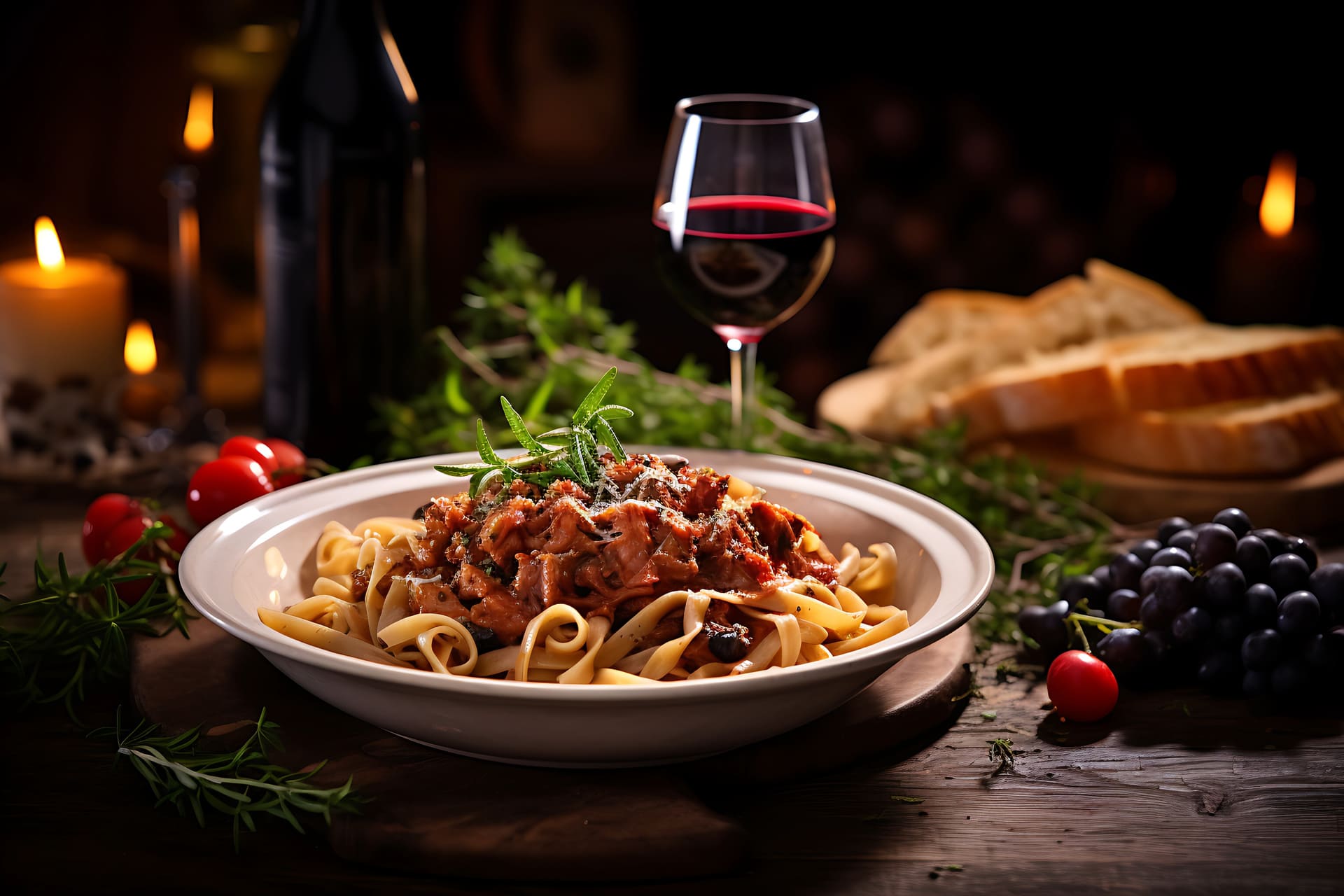
Zinfandel Regions
Zinfandel is grown in several regions across the globe, but nowhere does it shine quite like in California, where it has become an emblem of the state’s winemaking heritage. The grape’s ability to reflect its terroir makes exploring different Zinfandel-producing regions a fascinating journey. From the sun-soaked valleys of California to the historic vineyards of southern Italy, Zinfandel expresses itself in unique and diverse ways.
California: The Heart of Zinfandel
California is the undisputed capital of Zinfandel, producing the vast majority of the world’s supply. Within the state, certain regions are particularly renowned for their high-quality Zinfandels:
- Dry Creek Valley (Sonoma County): Often considered the “home of Zinfandel,” Dry Creek Valley produces Zinfandels with a perfect balance of bright acidity, red and black fruit flavors, and signature spice. The region’s old vines, some over a century old, contribute to complex, concentrated wines.
- Lodi: Known for its warm climate, Lodi produces ripe, fruit-forward Zinfandels with jammy blackberry and plum flavors. The region boasts some of California’s oldest Zinfandel vineyards, offering a rich winemaking history.
- Paso Robles: Located on California’s Central Coast, Paso Robles Zinfandels are known for their bold, full-bodied structure and dark fruit flavors, often with notes of chocolate and licorice.
- Amador County (Sierra Foothills): Amador’s old-vine Zinfandels are rich and rustic, showcasing flavors of brambly fruit, black pepper, and earth. The higher elevation adds brightness and complexity to the wines.
- Napa Valley: While Napa is best known for Cabernet Sauvignon, its Zinfandels are equally impressive. These wines tend to be more refined and elegant, often with layered flavors of dark fruit, vanilla, and spice.
Italy: The Primitivo Connection
In southern Italy, Zinfandel is grown under its Italian alias, Primitivo. The region of Puglia, located in the heel of Italy’s boot, is the primary producer of Primitivo. These wines are bold, fruity, and often more rustic in style compared to their Californian counterparts. Primitivo typically exhibits flavors of dark cherry, plum, and dried herbs, with a savory undertone that reflects its Mediterranean roots. While genetically identical to Zinfandel, the differences in climate, soil, and winemaking traditions result in distinct expressions of the grape.
Croatia: The Birthplace of Zinfandel
Croatia, the ancestral home of Zinfandel, is where the grape is known as Crljenak Kaštelanski or Tribidrag. Though it was nearly extinct in Croatia, a renewed interest in the grape’s history has led to its revival in the Dalmatian coast. Croatian Zinfandels tend to be lighter and more rustic, with bright acidity and flavors of red fruit, black pepper, and herbs.
Emerging Regions
While Zinfandel’s stronghold remains in California, the grape has been planted in other regions with success:
- Australia: In warm areas like Barossa Valley, Zinfandel is produced in small quantities, often displaying bold fruit flavors similar to its Californian counterparts.
- South Africa: Zinfandel is a minor player here but has shown promise in creating robust, fruit-forward wines.
- New Zealand and Oregon: Cooler climates yield more elegant Zinfandels with brighter acidity and red fruit notes.
Zinfandel’s ability to adapt to diverse climates and soils makes it one of the most exciting grapes to explore. Whether you’re tasting a bright and spicy Zinfandel from Dry Creek Valley, a bold and jammy one from Lodi, or an earthy and rustic Primitivo from Puglia, each region brings a unique story to the glass.
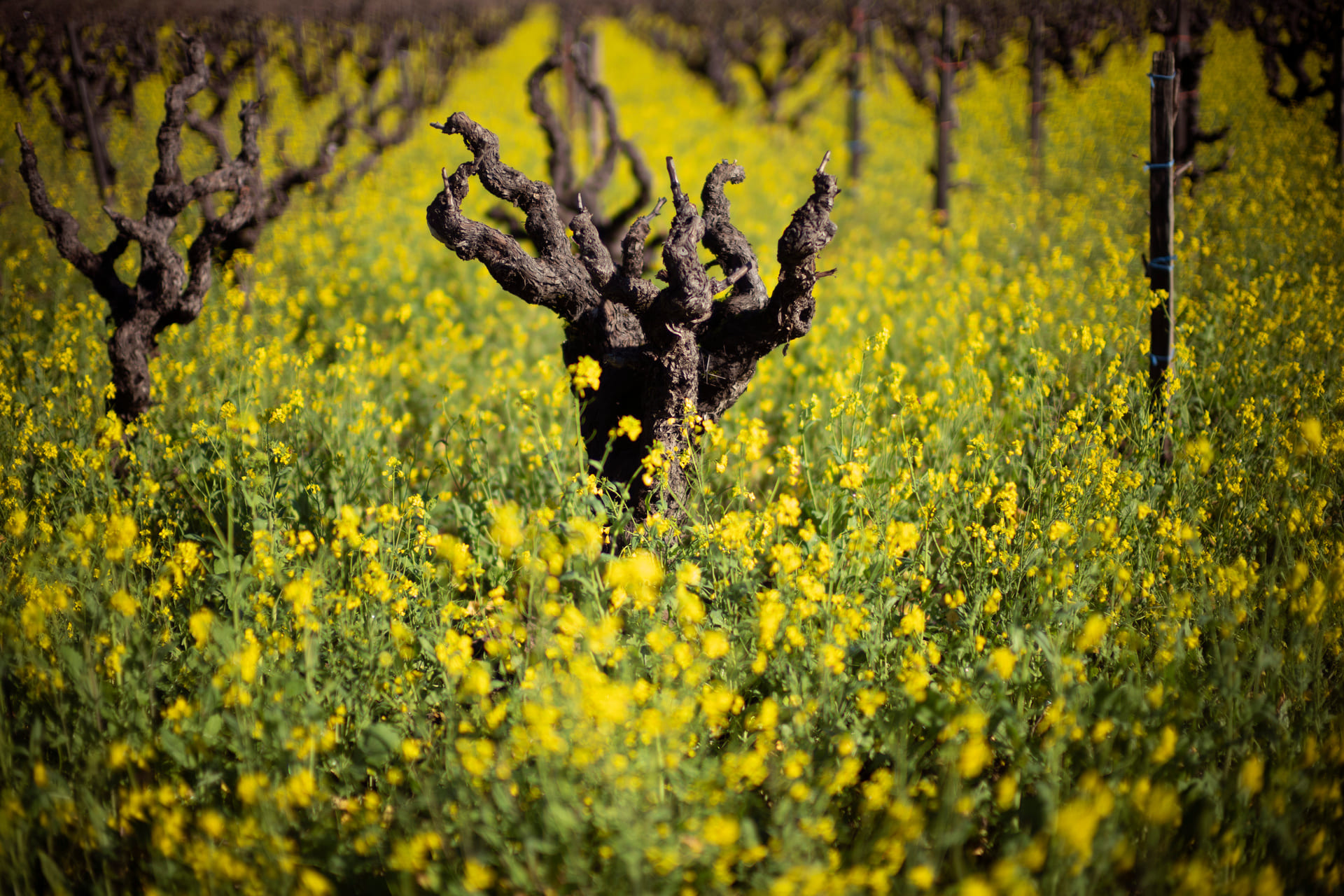
Noteworthy Producers of Zinfandel
One of the joys of exploring Zinfandel is the sheer variety of styles crafted by winemakers around the world. From iconic old-vine bottlings to modern, innovative expressions, these producers have mastered the art of showcasing the grape’s full potential. Whether you’re new to Zinfandel or a seasoned enthusiast, these wineries offer an excellent starting point.
California’s Zinfandel Icons
- Ridge Vineyards (Sonoma County and Santa Cruz Mountains): Ridge Vineyards has achieved legendary status for its single-vineyard Zinfandels, most notably from the iconic Geyserville and Lytton Springs vineyards. These wines are celebrated for their balance of rich fruit, earthy complexity, and age-worthiness.
- Turley Wine Cellars (Multiple Regions): Turley specializes in small-lot Zinfandels sourced from some of California’s oldest and most historic vineyards. Known for their bold, full-bodied wines with intense concentration, Turley’s Zinfandels are a must-try for fans of the grape.
- Bedrock Wine Co. (Sonoma County): Founded by Morgan Twain-Peterson, Bedrock focuses on preserving California’s historic vineyards. Their Zinfandels are known for their vibrant fruit, complexity, and nods to old-world winemaking traditions.
- Seghesio Family Vineyards (Dry Creek Valley): A staple of Sonoma’s Dry Creek Valley, Seghesio has been crafting exceptional Zinfandels for over a century. Their wines are approachable, fruit-forward, and beautifully balanced, showcasing the quintessential characteristics of the region.
Lodi’s Zinfandel Specialists
- Michael David Winery: This Lodi-based winery produces some of the region’s most recognized Zinfandels, including The Seven Deadly Zins. Known for their bold flavors and approachable style, these wines are ideal for those new to the grape.
- Klinker Brick Winery: Focused on old-vine Zinfandels, Klinker Brick creates wines with concentrated flavors of black fruit and spice, showcasing the full potential of Lodi’s warm climate.
Old-Vine Treasures from Amador County and Beyond
- Renwood Winery (Amador County): Renwood’s Zinfandels highlight the rustic charm of the Sierra Foothills, with notes of dark fruit, pepper, and earthy undertones. Their Old Vine bottling is a standout.
- The Pines 1852 (Columbia Gorge, Oregon): While Oregon is more associated with Pinot Noir, The Pines 1852 produces an exceptional old-vine Zinfandel from a vineyard planted in the late 19th century. This wine combines bold fruit with a bright, elegant structure.
Italian Primitivo Producers
- Tormaresca (Puglia): Owned by the iconic Antinori family, Tormaresca produces elegant Primitivos that balance ripe fruit with earthy and herbal notes. These wines offer an excellent introduction to Zinfandel’s Italian counterpart.
- Masseria Li Veli (Puglia): Known for their expressive Primitivos, Masseria Li Veli crafts wines with flavors of dark cherry, plum, and Mediterranean spices.
Hidden Gems and Smaller Producers
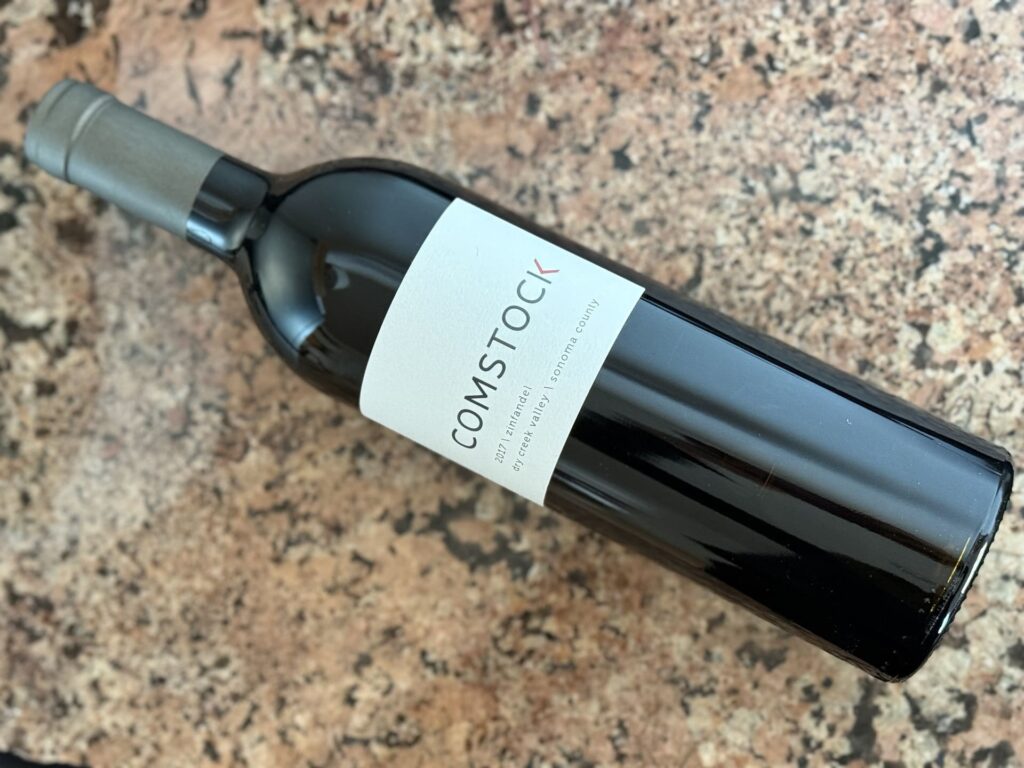
- Comstock Wines (Dry Creek Valley): Comstock’s Zinfandels exemplify the finesse and complexity of Dry Creek Valley. Their 2017 Zinfandel is an exceptional example of the region’s balance between bold fruit and structured spice.
- Carol Shelton Wines: Often referred to as the “Queen of Zinfandel,” Carol Shelton specializes in small-lot Zinfandels from vineyards across California. Her wines are both innovative and true to the grape’s character.
- Biale Vineyards (Napa Valley): Known for their Black Chicken Zinfandel, Biale produces wines that are lush, balanced, and deeply flavorful.
These producers represent the best of what Zinfandel has to offer, each contributing their unique perspective on this versatile grape. From legendary wineries like Ridge and Turley to hidden gems like Comstock and Klinker Brick, there’s a world of Zinfandel waiting to be explored. Next time you’re shopping for wine, look for one of these producers to experience Zinfandel at its finest.
What I’m Drinking
Comstock 2017 Zinfandel, Dry Creek Valley, Sonoma County
For National Zinfandel Day, I couldn’t think of a better choice than the Comstock 2017 Zinfandel from Sonoma County’s renowned Dry Creek Valley. This wine is a true reflection of the region’s character, offering a harmonious blend of bold flavors, vibrant acidity, and nuanced spice. Here’s why it stands out:
The Winery: Comstock Wines
Nestled in the heart of Dry Creek Valley, Comstock Wines is celebrated for its dedication to producing site-specific wines that showcase the best of Sonoma County. Their Zinfandels are crafted with precision and care, reflecting the region’s rich winemaking history and commitment to quality. The 2017 vintage is a testament to Comstock’s ability to balance tradition with modern winemaking techniques, resulting in a wine that is both approachable and complex.
Tasting Notes
The Comstock 2017 Zinfandel greets you with a deep ruby hue, hinting at the intensity within the glass. On the nose, you’ll find an inviting bouquet of ripe blackberries, dark cherries, and a touch of raspberry, intertwined with hints of baking spices, vanilla, and a whisper of cedar.
Take a sip, and the palate bursts with juicy red and black fruit flavors—think blackberry preserves, plum, and cranberry—layered with subtle notes of pepper, clove, and cinnamon. A silky texture and balanced acidity provide structure, while the wine’s smooth tannins create a velvety finish that lingers with warmth and spice.
Food Pairing Inspiration
This Zinfandel’s versatility shines at the dinner table. Here are a few pairing suggestions to enhance your tasting experience:
- Grilled lamb chops with rosemary: The savory richness of lamb complements the wine’s fruit and spice.
- Classic barbecue: Smoky ribs or brisket with a tangy sauce play beautifully with the wine’s ripe fruit and peppery notes.
- Vegetarian delights: Try it with grilled portobello mushrooms or a rich, tomato-based eggplant Parmesan.
- Cheese pairings: Aged cheddar, gouda, or even a creamy blue cheese make excellent companions for this bold red.
Why it’s Perfect for National Zinfandel Day
The Comstock 2017 Zinfandel embodies everything that makes Zinfandel such a beloved varietal. It’s approachable yet sophisticated, offering a perfect blend of fruit, spice, and texture that Zinfandel fans adore. Whether you’re new to the grape or a seasoned enthusiast, this bottle serves as a delicious celebration of Zinfandel’s versatility and charm.
As I savor this wine, it’s a reminder of the history, craftsmanship, and pure enjoyment that Zinfandel brings to the table. Cheers to exploring more Zinfandels this National Zinfandel Day and beyond!
Celebrating National Zinfandel Day
National Zinfandel Day is more than just a day to pop open a bottle of this beloved varietal—it’s an opportunity to immerse yourself in the history, flavors, and stories behind one of the most iconic grapes in the wine world. Whether you’re hosting a tasting party, enjoying a cozy dinner at home, or visiting your favorite winery, there are countless ways to celebrate.
Host a Zinfandel Tasting Party
Gather a group of friends or family and create a lineup of Zinfandels from different regions. Include wines from Dry Creek Valley, Lodi, Paso Robles, Amador County, and even Italy’s Primitivo to explore the diversity of this grape. Encourage everyone to share their tasting notes, favorite pairings, and impressions.
Enhance the experience by adding a blind tasting element to test your palate and discover new favorites. Provide tasting cards and let your guests guess the region or vintage for an engaging and interactive celebration.
Pair Zinfandel With a Feast
Zinfandel is a food-friendly wine that pairs beautifully with a variety of dishes, making it perfect for a celebratory meal. Create a menu that highlights the wine’s versatility:
- Start with appetizers like spiced nuts, charcuterie, or flatbreads topped with caramelized onions and goat cheese.
- Move to a main course featuring barbecued ribs, roasted duck, or hearty pasta dishes like lasagna.
- Finish with a dessert that complements the wine’s richness—think dark chocolate brownies or a spiced apple tart.
Visit a Zinfandel Winery
If you’re near a Zinfandel-producing region, consider visiting a winery to celebrate the day. Many California wineries, especially those in Dry Creek Valley, Lodi, and Paso Robles, offer special events, tastings, and tours in honor of National Zinfandel Day. It’s a fantastic way to connect with the winemakers, learn more about the grape, and enjoy Zinfandel right at its source.
Cook with Zinfandel
Take your culinary celebration to the next level by incorporating Zinfandel into your recipes. Use it as a base for a rich, savory wine reduction to drizzle over steak or pork, or add it to a hearty stew for depth of flavor. You can even create a Zinfandel-infused chocolate sauce to pour over dessert.
Share the Love on Social Media
Join the global wine community in celebrating National Zinfandel Day by sharing your experiences online. Post a photo of your favorite bottle, your Zinfandel-inspired meal, or your tasting notes. Use hashtags like #NationalZinfandelDay, #ZinfandelLove, and #DrinkZin to connect with fellow wine enthusiasts and see how others are celebrating.
Explore the Heritage and History
Spend some time learning about Zinfandel’s rich history and its journey from Croatia to Italy and eventually California. Dive into books, articles, or documentaries that tell the story of the grape and its producers. Understanding Zinfandel’s background adds depth to your appreciation and celebration.
Raise a Toast to Zin
At the heart of National Zinfandel Day is the simple joy of savoring a wine that brings people together. Whether you’re toasting with friends, sipping solo, or sharing your love for Zinfandel with others, take a moment to celebrate the craftsmanship and passion that goes into every bottle.
National Zinfandel Day is a reminder of the vibrant community of winemakers, enthusiasts, and food lovers that this wine brings together. However you choose to celebrate, make it a day filled with flavor, connection, and a toast to one of the world’s most delightful grapes. Cheers!


