
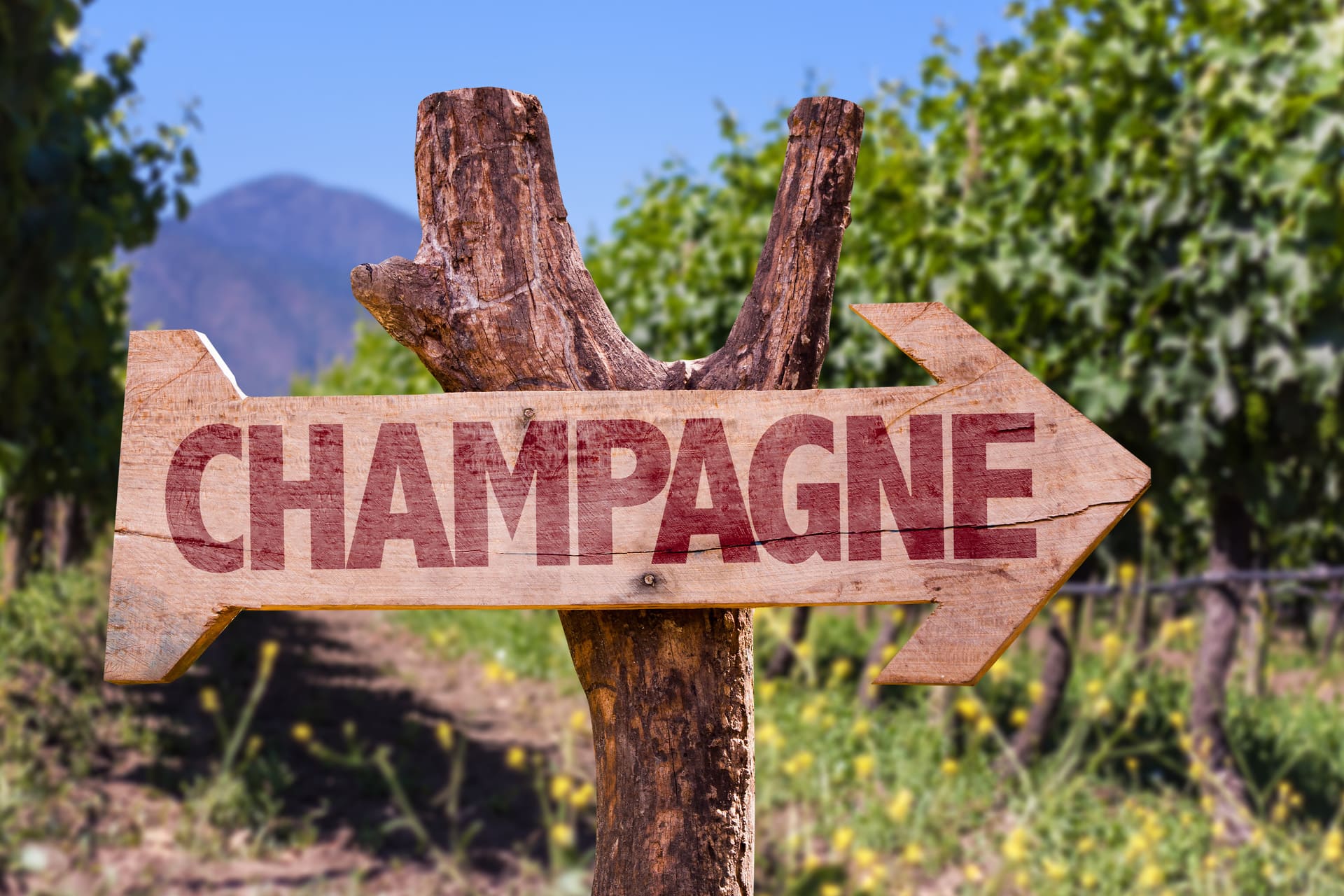
A Toast to Champagne
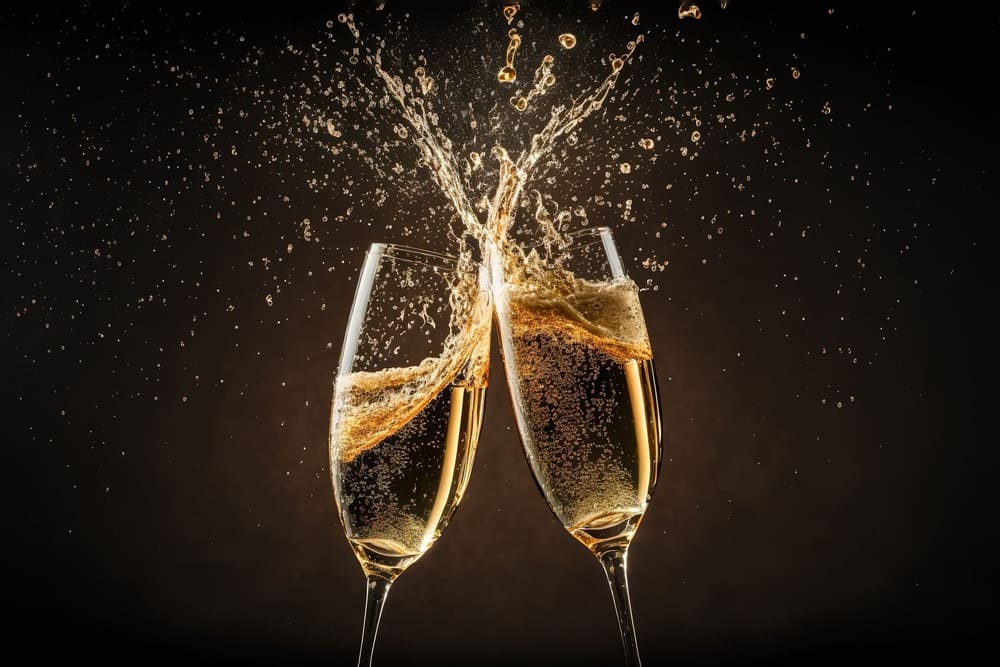
There’s something undeniably magical about the sound of a Champagne cork popping. It signals celebration, joy, and the arrival of a moment worth savoring. On International Champagne Day, held each year on December 31st, we honor the world’s most iconic sparkling wine—a fitting tribute on the day that culminates in the grandest of celebrations: New Year’s Eve.
Champagne and New Year’s Eve go hand in hand, symbolizing new beginnings, hope, and the effervescent excitement of what lies ahead. This isn’t just about the bubbles; it’s about a centuries-old tradition rooted in the rolling vineyards of northern France, where the art of winemaking has been refined to create something truly extraordinary.
But Champagne is more than a drink; it’s an experience. It’s the effervescent companion to life’s most significant milestones—weddings, anniversaries, and, of course, the countdown to a brand-new year. Whether enjoyed in a festive toast at midnight or sipped alongside hors d’oeuvres at a holiday party, Champagne transforms ordinary moments into something unforgettable.
This December 31st, as you prepare to ring in the New Year, take a moment to truly celebrate Champagne. Whether you’re a seasoned connoisseur or someone who simply enjoys the occasional glass of bubbly, International Champagne Day invites us all to pause, reflect, and savor the elegance of this sparkling wonder.
The History of Champagne: From Monastic Roots to Global Fame
The Origins of Champagne: A Monastic Legacy
The story of Champagne begins in the rolling hills of northern France, in a region that shares its name with this world-famous sparkling wine. Long before Champagne became synonymous with luxury and celebration, it was the humble product of Benedictine monks, who diligently tended vineyards in the region as part of their religious duties.
In the 17th century, the monks of the Abbey of Saint-Pierre in Hautvillers played a pivotal role in the development of Champagne. Among them was Dom Pierre Pérignon, a name now legendary in the world of wine. While often mythologized as the inventor of sparkling Champagne, Dom Pérignon’s true legacy lies in his meticulous approach to winemaking. He perfected vineyard management, blending techniques, and methods to clarify wine, laying the groundwork for the Champagne we know today.
The sparkling aspect of Champagne was initially an accident rather than a deliberate creation. The cool climate of the Champagne region caused fermentation to halt during winter. When the warmer spring temperatures returned, fermentation resumed in the sealed bottles, trapping carbon dioxide and creating bubbles. While these early sparkling wines were initially seen as flawed, they eventually captured the imagination of winemakers and drinkers alike.
Key Milestones in Champagne’s Rise
- The Refinement of Sparkling Wine Production
In the early 18th century, advancements in glassmaking and cork production enabled winemakers to bottle and preserve sparkling wine more effectively. The English, who had developed stronger glass bottles, played a crucial role in this evolution, as their innovations reduced the risk of bottle explosions caused by the pressure of carbonation. - The Founding of Iconic Champagne Houses
The 18th and 19th centuries saw the establishment of many of the Champagne houses that are still revered today. Houses like Ruinart (1729), Moët & Chandon (1743), and Veuve Clicquot (1772) began producing and marketing Champagne on a larger scale. These houses elevated Champagne from a regional curiosity to a drink of international prestige. - Madame Clicquot and the Invention of Riddling
Barbe-Nicole Ponsardin, better known as Madame Clicquot, transformed the Champagne industry in the early 19th century. She invented the riddling process, a technique used to clarify Champagne by gradually collecting sediment in the neck of the bottle for removal. Her innovations earned her the title “La Grande Dame of Champagne.” - Champagne as the Drink of Royalty and Celebration
By the 19th century, Champagne had firmly established itself as a symbol of luxury. It adorned the tables of European courts and became a fixture in celebrations, from coronations to weddings. The association of Champagne with joyous occasions was cemented during this time. - The Creation of the Appellation System
In the 20th century, Champagne producers fought to protect the integrity and reputation of their wine. The Champagne region became one of the first to be officially recognized under France’s appellation system, ensuring that only sparkling wines produced in this specific region using traditional methods could bear the name “Champagne.” - Champagne in the Modern Era
Today, Champagne is a global phenomenon. From luxury brands like Dom Pérignon to smaller grower-producers crafting artisanal bottles, Champagne has something to offer every palate. It remains a symbol of elegance, its sparkling effervescence as timeless as the joy it brings to those who sip it.
From Past to Present
The history of Champagne is a testament to innovation, perseverance, and the enduring allure of its delicate bubbles. From its accidental beginnings in the cold cellars of Benedictine monks to its rise as the ultimate drink of celebration, Champagne has evolved into a cultural icon, beloved around the world.
How Champagne is Made: Crafting Liquid Elegance
The Traditional Method (Méthode Champenoise)
The magic of Champagne lies in the meticulous process by which it’s made, known as the traditional method or Méthode Champenoise. This method is unique to Champagne and sets it apart from other sparkling wines. Each bottle is a masterpiece of craftsmanship, requiring time, precision, and patience.
The journey begins in the vineyard, where the grapes are carefully harvested by hand to ensure only the highest quality fruit makes it into the final product. Once pressed, the grape juice undergoes primary fermentation, creating a base wine that is still, dry, and high in acidity.
The transformation into sparkling wine happens during the secondary fermentation, which takes place inside the bottle. Winemakers add a mixture of sugar and yeast, known as the liqueur de tirage, to the base wine. The bottle is then sealed with a temporary cap and stored horizontally in cool, dark cellars.
As the yeast consumes the sugar, it produces carbon dioxide, which becomes trapped in the bottle, creating the signature bubbles. This stage, known as prise de mousse, is followed by a lengthy aging period on the lees (spent yeast cells), which imparts complexity, creaminess, and toasty notes to the wine.
To achieve clarity, the bottles undergo riddling (remuage), a process of gradually rotating and tilting them to collect sediment in the neck. Once the sediment is consolidated, it’s removed through disgorgement (dégorgement), and the bottle is topped off with a dosage—a mixture of wine and sugar that determines the wine’s sweetness level (e.g., Brut, Extra Dry, or Demi-Sec).
The final step is sealing the bottle with a cork and wire cage, ensuring it’s ready to deliver that iconic pop when opened. From vine to glass, producing Champagne is a labor of love that can take several years, but the result is always worth the wait.
The Unique Terroir of the Champagne Region
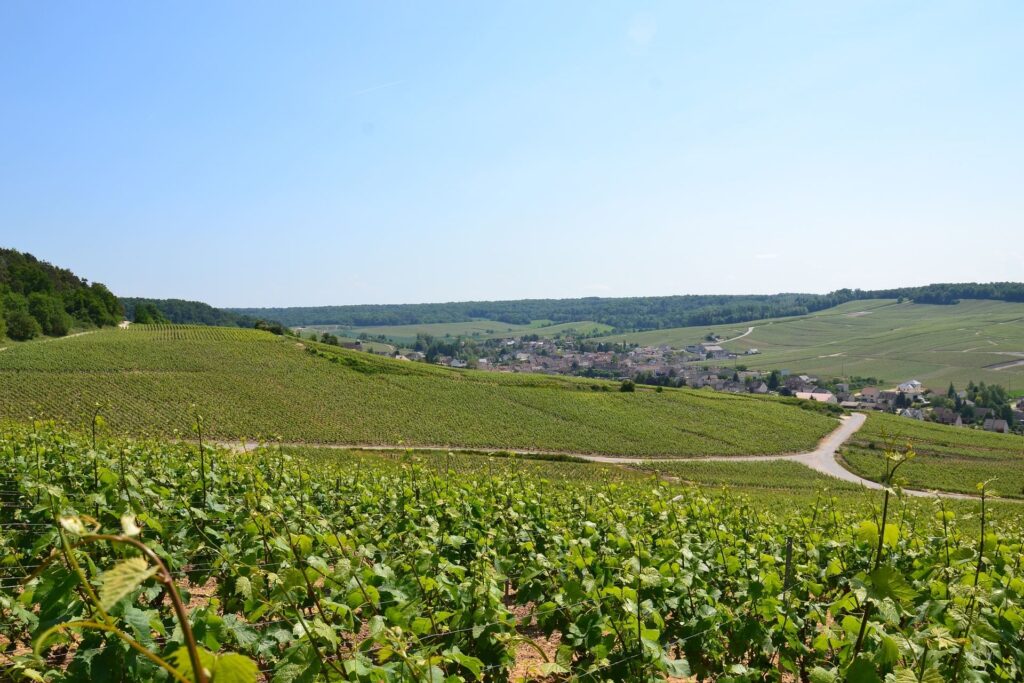
Champagne’s distinctive character is rooted in its terroir, the combination of soil, climate, and geography that defines a wine’s identity. Located in northern France, the Champagne region is one of the coolest winegrowing areas in the world. Its chalky soil, a remnant of ancient seabeds, provides excellent drainage and reflects sunlight, helping the vines ripen in a challenging climate.
The region’s cool temperatures preserve the grapes’ natural acidity, which is essential for creating the fresh, zesty profile Champagne is known for. The terroir is so unique and integral to the wine’s identity that only sparkling wine made in this specific region, using the traditional method, can legally be called Champagne.
The Three Pillars: Chardonnay, Pinot Noir, and Pinot Meunier
Three grape varieties dominate the production of Champagne, each contributing its own unique characteristics:
- Chardonnay
- Known for its elegance and finesse, Chardonnay brings bright acidity, citrus, and floral notes to Champagne.
- It’s the star of Blanc de Blancs, a style of Champagne made exclusively from white grapes, celebrated for its purity and age-worthiness.
- Pinot Noir
- Adding structure, depth, and red fruit flavors, Pinot Noir is the backbone of many Champagnes.
- It plays a key role in Blanc de Noirs, made solely from black grapes, and lends complexity and richness to blends.
- Pinot Meunier
- Often overshadowed by its more famous counterparts, Pinot Meunier is the secret ingredient that brings approachability and fruitiness to Champagne.
- Its hardiness makes it a reliable choice in the region’s cooler microclimates, and it helps round out the blends with notes of apple and stone fruit.
Each of these grapes plays a crucial role, and their balance in the final blend is a testament to the skill and artistry of the winemaker.
A Symphony in a Bottle
The making of Champagne is a blend of art and science, guided by tradition and shaped by nature. Every step, from the choice of grapes to the final corking, is a testament to the dedication of the people who produce this extraordinary wine. The result is not just a drink but an experience—effervescent, elegant, and unforgettable.
Champagne Styles: Discovering the Spectrum of Sparkling Elegance
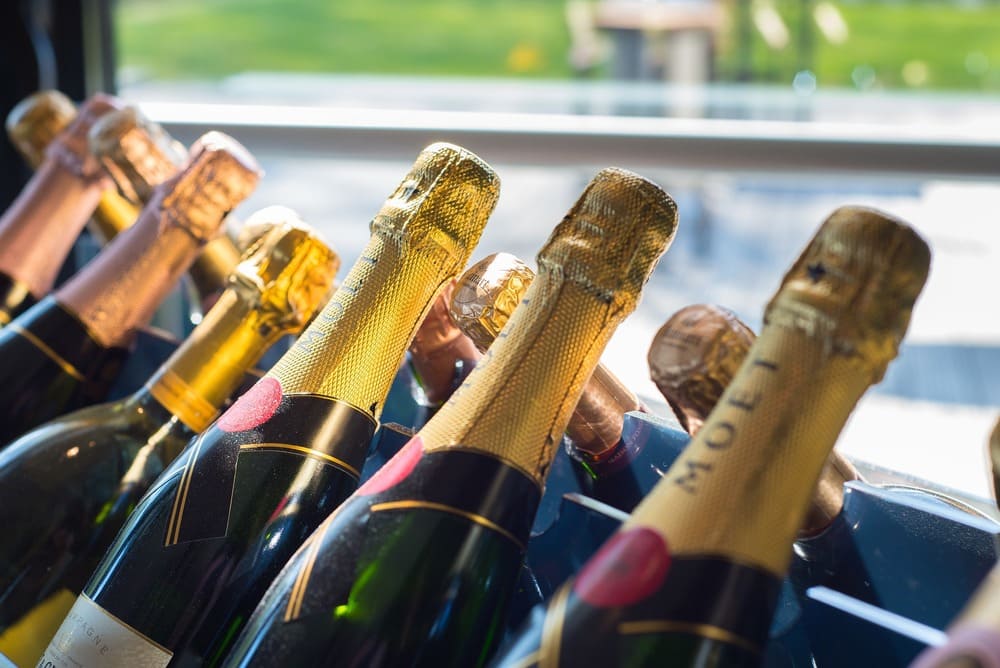
Champagne offers a dazzling array of styles, each catering to diverse palates and occasions. From the crisp dryness of Brut to the delicate blush of Rosé, there’s a Champagne for everyone. This section explores the key styles, demystifies sweetness levels, and provides recommendations to help you navigate the world of Champagne.
Key Styles of Champagne
- Brut
- The most popular style of Champagne, Brut is known for its crisp dryness and balanced acidity.
- With less than 12 grams of sugar per liter, it offers a clean, refreshing taste that pairs effortlessly with a wide range of foods, from oysters to creamy pasta.
- Extra Dry
- Despite its name, Extra Dry is slightly sweeter than Brut, with sugar levels ranging from 12 to 17 grams per liter.
- This style is perfect for those who enjoy a hint of sweetness while still appreciating Champagne’s signature brightness.
- Rosé
- Rosé Champagne is a visual and sensory delight, with its pink hue and vibrant flavors of red berries, citrus, and rose petals.
- It’s crafted either by blending red and white wines or through the saignée method, where the grape skins impart color during maceration.
- Rosé is a versatile choice, equally at home at a romantic dinner or a lively celebration.
- Blanc de Blancs
- Made exclusively from Chardonnay grapes, Blanc de Blancs translates to “white from whites.”
- This style is prized for its elegance, vibrant acidity, and flavors of green apple, lemon, and chalky minerality.
- Ideal as an aperitif or paired with delicate dishes like sushi or seafood.
- Blanc de Noirs
- Crafted solely from black grape varieties (Pinot Noir and Pinot Meunier), Blanc de Noirs means “white from blacks.”
- Richer and fuller-bodied, it often displays flavors of red berries, brioche, and nuts, making it an excellent choice for heartier dishes or cooler weather.
Understanding Sweetness Levels
Champagne’s sweetness levels are determined by the amount of sugar added during the dosage stage of production. Here’s a quick guide to the main categories:
- Brut Nature (0–3 g/L): Bone-dry with no added sugar, this style highlights the purest expression of the Champagne.
- Extra Brut (0–6 g/L): Still very dry, with just a whisper of sweetness.
- Brut (0–12 g/L): The most common style, balancing dryness and approachability.
- Extra Dry (12–17 g/L): Slightly sweeter, ideal for those who enjoy a touch of sugar.
- Sec (17–32 g/L): Noticeably sweet but not cloying, often enjoyed with desserts or spicy dishes.
- Demi-Sec (32–50 g/L): Sweet and luscious, a fantastic partner for fruit-based desserts.
- Doux (50+ g/L): The sweetest style, rare and indulgent, typically reserved for special occasions.
Recommendations for Exploring Different Styles
Whether you’re new to Champagne or a seasoned connoisseur, experimenting with various styles can deepen your appreciation for this sparkling wine. Here are some recommendations to guide your exploration:
- For Classic Lovers: Try a Brut Champagne from a renowned house like Veuve Clicquot or Louis Roederer. These offer a quintessential experience of balance and finesse.
- For the Adventurous: Seek out a Blanc de Blancs from a grower-producer, such as Pierre Peters or Legras & Haas, to savor the elegance of pure Chardonnay.
- For Rosé Enthusiasts: Sample Laurent-Perrier Cuvée Rosé for its stunning color and vibrant fruit notes.
- For a Sweet Treat: Indulge in a Demi-Sec Champagne like Moët & Chandon Nectar Impérial with a fruit tart or creamy dessert.
- For Purists: Opt for a Brut Nature Champagne, such as Tarlant or Drappier, to experience the purest form of sparkling wine, unadulterated by added sugar.
A World of Possibilities
The variety of Champagne styles ensures there’s always something new to discover. Whether you prefer bone-dry Brut Nature or the playful fruitiness of a Rosé, exploring these options is part of the joy of Champagne. Every bottle offers a unique story, and each sip invites you to celebrate the beauty of bubbles.
Watch the Video on YouTube
Noteworthy Producers: Icons and Hidden Gems of Champagne
The Champagne region is home to a rich tapestry of producers, from legendary maisons (houses) that have defined Champagne’s identity for centuries to boutique grower-producers crafting exceptional, terroir-driven wines. This section highlights both iconic names and under-the-radar gems, offering a well-rounded guide to some of the best the region has to offer.
Iconic Champagne Houses
1. Moët & Chandon
- One of the largest and most recognized Champagne houses, Moët & Chandon has been synonymous with celebration for over 275 years.
- Known for their flagship Champagne, Moët Impérial, this house exemplifies consistency and quality across their range.
- Special Mention: Dom Pérignon, their prestige cuvée, is one of the world’s most famous and luxurious Champagnes.
2. Veuve Clicquot
- Famous for its bold yellow label, Veuve Clicquot is a name that instantly evokes glamour and elegance.
- Founded by Madame Clicquot, one of the first women to run a Champagne house, it is celebrated for pioneering techniques like riddling, crucial to modern Champagne production.
- Known For: Its signature Brut Yellow Label and vintage rosé Champagnes.
3. Krug
- A byword for opulence, Krug specializes in meticulously crafted, full-bodied Champagnes that showcase depth and complexity.
- Unique in its approach, Krug focuses on blending to create rich, nuanced cuvées like their Grande Cuvée, which blends over 120 wines from multiple vintages.
- Best For: Lovers of intense, luxurious Champagnes that pair beautifully with fine dining.
4. Bollinger
- A favorite of James Bond and wine aficionados alike, Bollinger is celebrated for its robust, Pinot Noir-dominant Champagnes.
- Their winemaking emphasizes barrel fermentation and extended aging, resulting in rich flavors and a creamy texture.
- Signature Champagne: Special Cuvée, a perfect balance of power and elegance.
5. Ruinart
- As the oldest Champagne house, founded in 1729, Ruinart is steeped in history and renowned for its focus on Chardonnay.
- Their Blanc de Blancs, with its fresh, floral notes and refined texture, is a masterpiece of Chardonnay’s potential in Champagne.
Grower-Producers Worth Exploring
Grower-producers craft Champagne from grapes they grow on their own vineyards, offering an intimate connection to the terroir. These artisanal producers are often overlooked but create some of the most exciting and unique Champagnes available today.
1. Pierre Péters
- Based in the Côte des Blancs, this family-run estate specializes in Blanc de Blancs, showcasing the purity and minerality of Chardonnay from the region’s chalky soils.
- Why It Stands Out: Precision, elegance, and exceptional value for such high-quality Champagne.
2. Egly-Ouriet
- Known for their meticulous attention to detail, Egly-Ouriet produces Pinot Noir-focused Champagnes with incredible depth and character.
- Special Mention: Their Blanc de Noirs is a standout, offering power and richness balanced by freshness.
3. Jacques Selosse
- A legend among grower-producers, Jacques Selosse creates highly sought-after Champagnes that push boundaries with bold, oxidative styles and terroir expression.
- Unique Approach: Biodynamic practices and extended lees aging result in truly distinctive wines.
4. Larmandier-Bernier
- A pioneer in organic and biodynamic farming, this grower focuses on pure, terroir-driven expressions of Chardonnay from the Côte des Blancs.
- Known For: Stunning Blanc de Blancs that marry finesse with intensity.
5. Chartogne-Taillet
- Based in the village of Merfy, this small producer creates expressive Champagnes that reflect the diverse soils of their vineyards.
- Why Explore: Their commitment to preserving historical vineyard sites and traditional techniques produces truly unique wines.
What Makes These Producers Special?
- Iconic Houses: These maisons have centuries of expertise and access to vast vineyard holdings, allowing them to blend wines that consistently deliver quality and character. Their brand recognition ensures they’re a go-to for special occasions.
- Grower-Producers: Smaller in scale, these artisanal producers craft Champagnes that are deeply personal and often experimental, providing a fresh perspective on what Champagne can be.
A Toast to Diversity
Whether you gravitate toward the prestige of Veuve Clicquot or the artistry of Jacques Selosse, exploring the diversity of Champagne producers is an adventure in itself. Each bottle tells a story, whether it’s rooted in centuries-old tradition or the passionate innovation of a family-run vineyard.
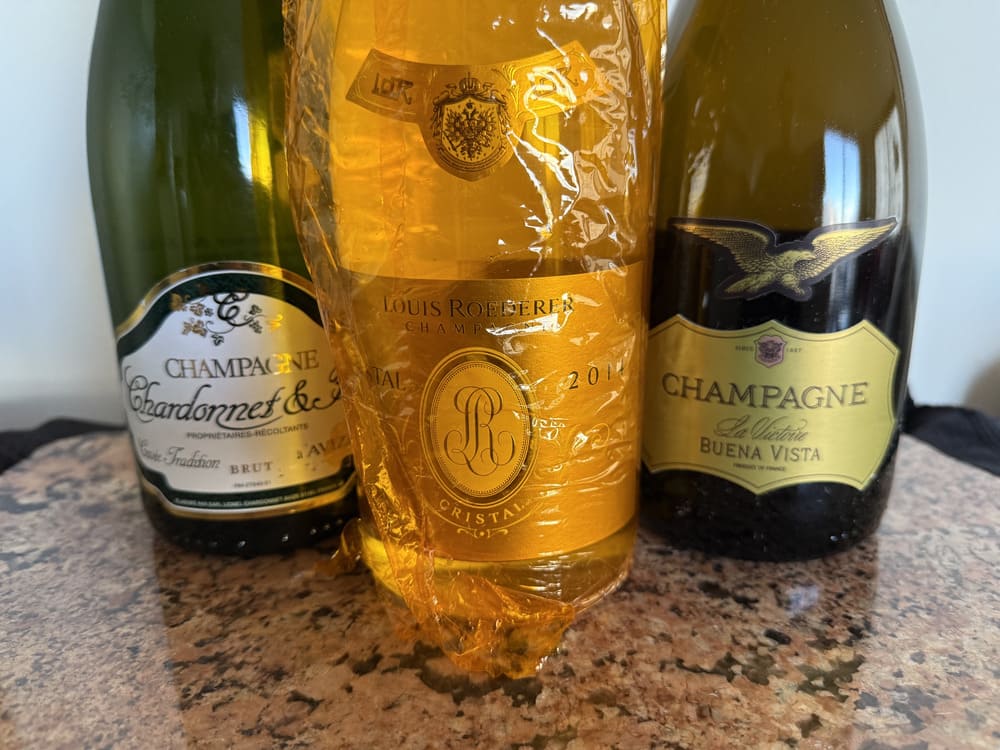
Food Pairings with Champagne: Classic Elegance Meets Everyday Delights
Champagne’s effervescence, vibrant acidity, and complex flavors make it one of the most versatile wines for food pairing. Whether you’re indulging in gourmet delicacies or enjoying comfort food, Champagne has the remarkable ability to enhance a wide range of dishes. This section highlights both traditional and unexpected pairings to inspire your next culinary adventure
Classic Pairings: Timeless Elegance
1. Oysters
- Why It Works: The briny freshness of oysters complements Champagne’s crisp acidity and mineral notes, creating a harmonious balance.
- Best Style: Blanc de Blancs or Extra Brut, for their light, citrus-driven profiles that mirror the oceanic flavors of oysters.
2. Caviar
- Why It Works: The delicate saltiness and luxurious texture of caviar are elevated by Champagne’s bubbles, which cleanse the palate between bites.
- Best Style: Brut Nature or vintage Champagne, as their subtle complexity enhances the caviar’s nuances without overpowering.
3. Smoked Salmon
- Why It Works: The rich, smoky flavor of salmon pairs beautifully with Champagne’s acidity, which cuts through the richness and refreshes the palate.
- Best Style: Rosé Champagne, with its red fruit notes adding depth and complementing the salmon’s smokiness.
4. Soft, Creamy Cheeses (e.g., Brie, Camembert)
- Why It Works: Champagne’s lively acidity contrasts with the creamy texture, preventing the pairing from feeling too heavy while enhancing the flavors of both.
- Best Style: Blanc de Blancs, whose citrus and floral notes create a refreshing counterpart.
Unexpected Pairings: Everyday Indulgence
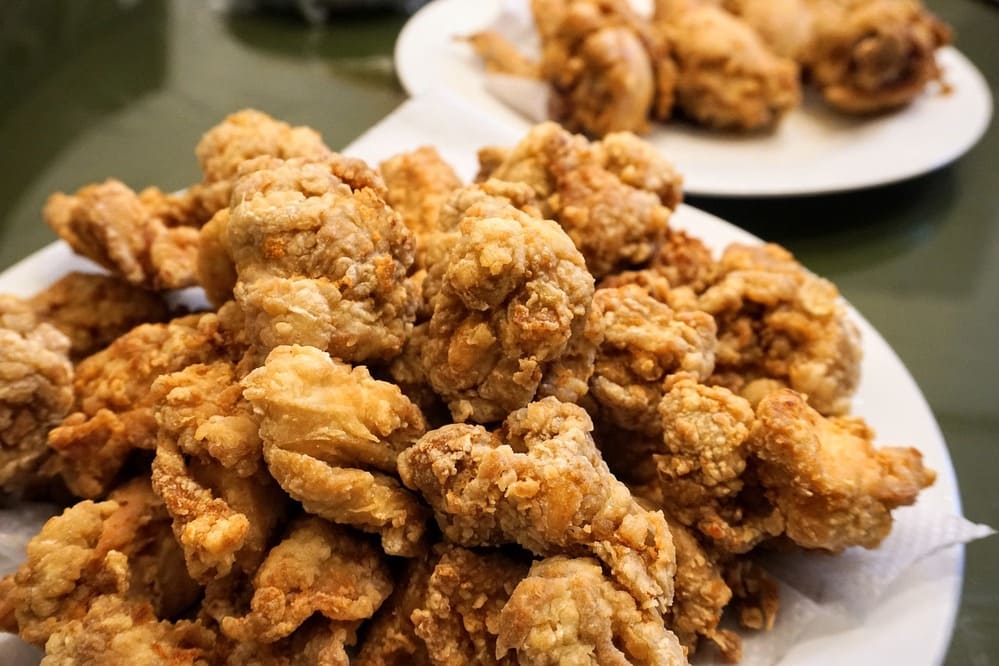
1. Fried Chicken
- Why It Works: The crisp, golden coating of fried chicken is a perfect match for Champagne’s bubbles, which cut through the richness and refresh your taste buds.
- Best Style: Non-vintage Brut, offering the right balance of acidity and body to complement this comfort food favorite.
2. Popcorn (Salted or Truffle)
- Why It Works: Popcorn’s light, airy texture and savory notes are a fun match for Champagne’s effervescence and subtle yeast flavors.
- Best Style: Brut or Brut Nature, for their toastiness that echoes the buttery popcorn flavors.
3. Spicy Dishes (e.g., Thai, Indian)
- Why It Works: Champagne’s bubbles and residual sugar in off-dry styles help tame the heat of spicy dishes, while its acidity brightens the flavors.
- Best Style: Extra Dry or Demi-Sec, for a touch of sweetness that balances the spiciness.
4. French Fries
- Why It Works: The salty, crispy simplicity of fries is elevated by Champagne’s vibrant acidity and refined bubbles, turning a humble snack into a sophisticated pairing.
- Best Style: Non-vintage Brut, versatile and refreshing for any salty treat.
Highlighting Champagne’s Versatility
- With Seafood: Its bright acidity and minerality make Champagne a natural companion to fresh, briny, or rich seafood dishes.
- With Rich Foods: The bubbles and acidity cut through fat and richness, making it a fantastic choice for creamy cheeses, fried foods, and buttery sauces.
- With Spicy or Salty Foods: Champagne’s balance of sweetness, acidity, and bubbles complements bold, spicy, and savory flavors alike.
Experiment and Discover
One of the joys of Champagne is its ability to adapt to almost any food. Next time you pop a bottle, think beyond traditional pairings and explore unexpected combinations. From elegant starters like oysters and caviar to indulgent treats like fried chicken and fries, Champagne proves it can elevate every occasion.
Champagne Cocktails and Recipes: Elevate the Bubbles
While Champagne is exquisite on its own, it’s also the perfect base for crafting elegant and festive cocktails. Whether you’re hosting a celebratory brunch or ringing in the New Year, these Champagne cocktails add flair to any occasion. Below are recipes for some classic favorites and tips for getting creative with Champagne-based drinks.
Classic Champagne Cocktails
1. French 75
- Ingredients:
- 2 oz gin
- ¾ oz fresh lemon juice
- ½ oz simple syrup
- Champagne to top
- Directions:
Combine gin, lemon juice, and simple syrup in a shaker with ice. Shake well and strain into a chilled Champagne flute. Top with Champagne and garnish with a lemon twist. - Why It Works: The tart citrus and herbal gin blend beautifully with Champagne’s effervescence, creating a refreshing and sophisticated drink.
2. Mimosa
- Ingredients:
- 2 oz orange juice (freshly squeezed, if possible)
- 4 oz Champagne
- Directions:
Pour orange juice into a Champagne flute and top with Champagne. For a sweeter touch, garnish with a sugar rim or a slice of orange. - Why It Works: The light acidity of orange juice complements Champagne’s crispness, making it a brunch staple.
3. Kir Royale
- Ingredients:
- ½ oz crème de cassis (blackcurrant liqueur)
- 4 oz Champagne
- Directions:
Add crème de cassis to a Champagne flute and top with Champagne. Garnish with a blackberry or a lemon twist for added flair. - Why It Works: The rich, fruity sweetness of the cassis contrasts Champagne’s brightness, offering a luxurious and visually stunning cocktail.
4. Bellini
- Ingredients:
- 2 oz peach purée
- 4 oz Champagne
- Directions:
Add peach purée to a flute and gently top with Champagne. Stir lightly and garnish with a thin peach slice. - Why It Works: The delicate sweetness of peach purée highlights the fruitiness in Champagne, making it an elegant summer or celebratory drink.
Creative and Festive Champagne-Based Drinks
1. Pomegranate Sparkler
- Ingredients:
- 1 oz pomegranate juice
- ½ oz elderflower liqueur
- Champagne to top
- Pomegranate seeds for garnish
- Directions:
Combine pomegranate juice and elderflower liqueur in a flute. Top with Champagne and add a few pomegranate seeds for a festive touch.
2. Spiced Apple Fizz
- Ingredients:
- 1 oz spiced apple cider
- ½ oz Calvados (apple brandy)
- Champagne to top
- Thin apple slices and a cinnamon stick for garnish
- Directions:
Pour cider and Calvados into a flute, top with Champagne, and garnish with apple slices and a cinnamon stick for a seasonal delight.
3. Raspberry Rosé Spritz
- Ingredients:
- 3 fresh raspberries
- ½ oz raspberry liqueur
- Rosé Champagne to top
- Mint sprig for garnish
- Directions:
Muddle raspberries lightly in the glass, add liqueur, and top with Rosé Champagne. Garnish with a mint sprig for a pop of color and freshness.
Tips for Crafting Champagne Cocktails
- Chill Ingredients: Ensure both your Champagne and mixers are well-chilled to preserve the bubbles and keep the drink refreshing.
- Use Fresh Juices: Freshly squeezed citrus juices make a noticeable difference in flavor and brightness.
- Don’t Over-Stir: When mixing Champagne cocktails, stir gently to preserve the carbonation.
- Choose the Right Champagne:
- Use non-vintage Brut for most cocktails, as it offers a balanced profile without overshadowing other ingredients.
- Reserve vintage Champagne for sipping on its own or very simple cocktails to let its complexity shine.
- Festive Garnishes: Elevate the presentation with garnishes like fruit slices, edible flowers, or sugared rims.
From brunch classics to innovative creations, Champagne cocktails offer endless possibilities for celebration. Whether you stick to the timeless French 75 or experiment with spiced seasonal flavors, you’re sure to delight your guests with a bit of bubbly magic.
Check Out This Quick and Fun Video to Make a Champagne Cocktail!
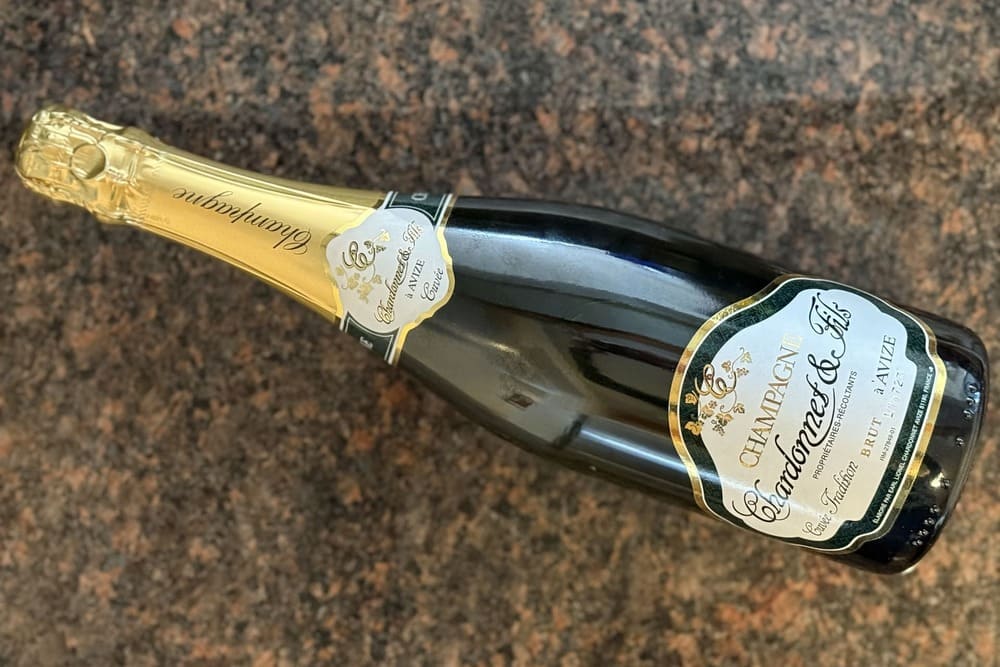
What I’m Drinking: Chardonnet & Fils, “Cuvée Tradition” Brut – NV
For International Champagne Day, I’m toasting with the delightful Chardonnet & Fils, “Cuvée Tradition” Brut – NV. This choice not only celebrates the heritage of Champagne but also highlights the charm of smaller, family-run producers who pour their passion and expertise into every bottle.
About Chardonnet & Fils
Nestled in the heart of the Champagne region, Chardonnet & Fils is a family-owned producer dedicated to crafting exceptional wines that honor the traditions of the region while showcasing the unique character of their vineyards. With roots that stretch back generations, this maison emphasizes meticulous vineyard management and a deep respect for terroir. Their approach combines age-old winemaking techniques with modern precision, resulting in Champagnes that are both elegant and expressive.
The “Cuvée Tradition” Brut is a perfect example of their philosophy, offering a harmonious balance between the classic characteristics of Champagne and the distinctive identity of their vineyards.
Tasting Notes for “Cuvée Tradition” Brut – NV
- Appearance: A shimmering pale gold with a fine, persistent mousse that speaks to its excellent quality.
- Aromas: The nose opens with inviting notes of green apple, pear, and citrus zest, complemented by hints of brioche and a touch of almond from extended lees aging.
- Palate: On the palate, it’s crisp and lively, with flavors of ripe orchard fruits, lemon curd, and a subtle minerality that adds depth. The creamy texture balances the bright acidity, leading to a clean, refreshing finish with a whisper of toasted hazelnuts.
- Finish: Long and refined, leaving a lingering impression of freshness and sophistication.
Why I Chose This Bottle
When selecting a Champagne for this special occasion, I wanted a bottle that embodies the spirit of International Champagne Day—celebratory, approachable, and deeply rooted in tradition. The “Cuvée Tradition” Brut by Chardonnet & Fils ticks all those boxes and more. Its elegant profile makes it versatile enough to pair with a variety of foods, from appetizers to desserts, and its story adds a personal touch to the celebration.
I also appreciate the opportunity to spotlight a grower Champagne. These smaller producers often offer incredible value and a chance to experience something unique compared to the larger houses. Chardonnet & Fils delivers a wine that feels both special and authentic, making it a perfect choice to toast the beauty and artistry of Champagne.
With this bottle in hand, I’m ready to savor the bubbles and reflect on the timeless allure of Champagne. Cheers to celebrating International Champagne Day in style!
How to Celebrate International Champagne Day
International Champagne Day is the perfect occasion to honor the sparkling wine that has brought joy to countless celebrations throughout history. Whether you’re sipping solo or gathering with friends, there are countless ways to mark this effervescent holiday. Here are some creative and festive ideas to make your celebration truly memorable.
Host a Champagne Tasting
Gather a few bottles of Champagne and invite friends or family to join in a tasting. Here’s how to make it fun and informative:
- Theme Your Tasting: Compare different Champagne styles, such as Brut, Rosé, Blanc de Blancs, and Blanc de Noirs, or explore offerings from different producers, including both famous maisons and grower Champagnes.
- Create a Tasting Guide: Provide small tasting cards with space to jot down notes about aroma, flavor, and finish. You could even vote on a group favorite!
- Pair with Bites: Offer a selection of foods that pair well with Champagne, such as creamy cheeses, smoked salmon, or even potato chips for a playful twist.
Pair Champagne with a Meal
Champagne isn’t just for toasts—it’s one of the most versatile wines for food pairing. Celebrate by crafting a special meal with Champagne as the star:
- Start with Starters: Serve oysters, caviar, or a cheese platter with a chilled bottle of Brut Champagne.
- Main Course Elegance: Roast chicken, creamy risotto, or even a decadent truffle pasta pair wonderfully with Champagne.
- Finish with a Sweet Touch: End the evening with desserts like lemon tart, macarons, or Champagne poached pears to tie it all together.
Make it an interactive experience by designing a course-by-course pairing and encouraging your guests to share their thoughts.
Learn More About Champagne
Take this day as an opportunity to deepen your knowledge about this iconic sparkling wine:
- Watch a Documentary: Films like A Year in Champagne offer a behind-the-scenes look at the craft of Champagne making.
- Read a Book: Delve into titles like The Widow Clicquot or Champagne: How the World’s Most Glamorous Wine Triumphed Over War and Hard Times.
- Take a Virtual Class: Many wine educators and sommeliers host online sessions where you can learn more about Champagne production, history, and tasting techniques.
Virtual Celebrations and Events
Can’t gather in person? Celebrate International Champagne Day virtually with these options:
- Join a Virtual Tasting: Many Champagne houses and wine retailers host live-streamed events where you can taste along with an expert.
- Host Your Own Zoom Party: Invite friends to pop a bottle and share what they’re drinking. Include some fun trivia about Champagne to keep the conversation lively.
- Follow Social Media Hashtags: Participate in the global celebration by using hashtags like #InternationalChampagneDay or #PopChampagne. Share photos of your favorite bottle and toast with Champagne lovers worldwide.
Make It Festive and Fun
- Decorate Your Space: Add sparkle to your surroundings with fairy lights, gold accents, or Champagne-themed décor.
- Create a DIY Champagne Bar: Let guests customize their own Champagne cocktails with mixers like fruit purées, liqueurs, and garnishes.
- Toast to the Moment: End your celebration with a heartfelt toast. Whether it’s gratitude for the year past or hope for the year ahead, Champagne is the perfect medium for meaningful moments.
No matter how you choose to celebrate, the most important thing is to savor the experience. Champagne is about joy, connection, and the magic of bubbles. Raise your glass, and let’s toast to a sparkling International Champagne Day!
Conclusion
Champagne holds a special place in our hearts and history—a wine synonymous with joy, elegance, and celebration. It’s more than just bubbles in a glass; it’s a testament to craftsmanship, tradition, and the art of savoring life’s most sparkling moments. International Champagne Day reminds us to pause, appreciate, and toast to the magic of Champagne, a beverage that transforms ordinary days into extraordinary occasions.
Whether you’re enjoying a classic Brut, exploring a delicate Rosé, or discovering the beauty of grower Champagnes, today is the perfect excuse to indulge in this effervescent delight. Pair it with your favorite dish, mix up a festive cocktail, or simply enjoy it as it is—there’s no wrong way to celebrate.
Let’s make this International Champagne Day a bubbly one! Pop open a bottle, share a toast with friends or loved ones, and embrace the sparkling joy that Champagne brings.
We’d love to see how you’re celebrating! Snap a picture of your favorite bottle, your perfect food pairing, or your Champagne-inspired festivities and share it with the world. Don’t forget to use the hashtag #InternationalChampagneDay to join the global celebration.
Here’s to Champagne, and here’s to you—cheers to a day filled with sparkle, flavor, and unforgettable moments!


