A Sparkling Sip of History and Glamour
Few cocktails exude timeless elegance quite like the Champagne Cocktail. With its delicate fizz, subtle sweetness, and effortless sophistication, this sparkling creation has dazzled drinkers for over a century. Simple in its ingredients yet grand in its presentation, the Champagne Cocktail is a true showstopper that bridges the past and present—classic, refined, and endlessly versatile.
Its story is one steeped in history, tracing its origins back to the 19th century when it graced the tables of high society and made appearances in literature, film, and glamorous celebrations. It’s the kind of drink that feels equally at home in a swanky speakeasy, a black-tie gala, or a cozy evening toast with friends.
And what better occasion to celebrate this iconic cocktail than Prohibition Repeal Day—a day that marks the return of legal libations and a new era of creativity in cocktail culture? The Champagne Cocktail epitomizes this spirit of celebration: a simple sugar cube, a dash of bitters, and a generous pour of sparkling wine come together to create a drink that feels both luxurious and liberating.
Whether you’re raising a glass to freedom, indulging in a bit of nostalgia, or adding a splash of glamour to your gathering, the Champagne Cocktail delivers a taste of history with every effervescent sip. So grab your favorite sparkling wine, pop that cork, and let’s toast to a drink that has truly stood the test of time.
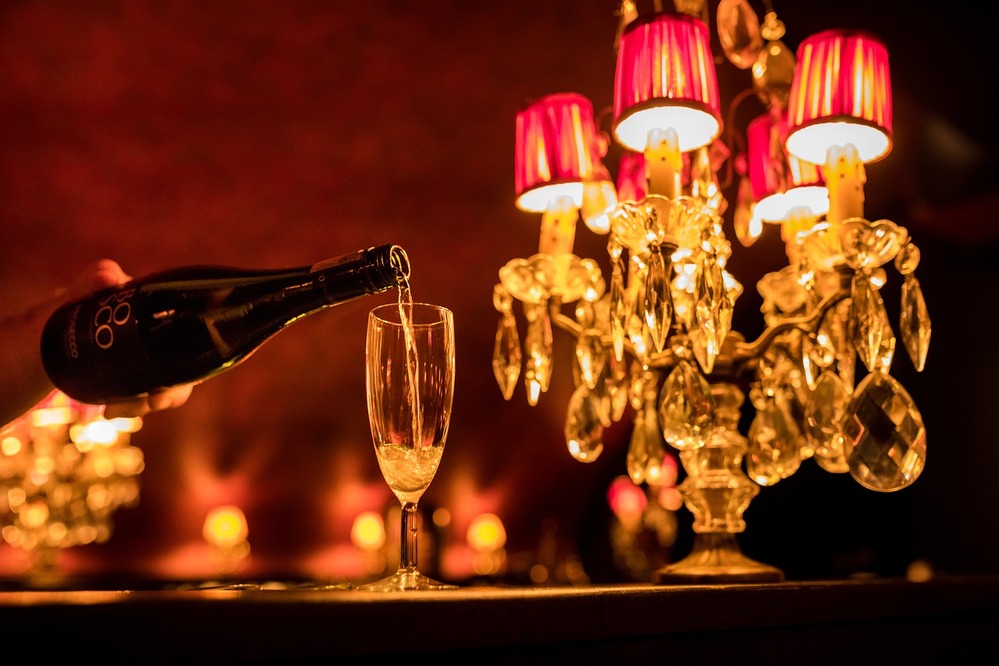
A Brief History of the Champagne Cocktail
The origins of the Champagne Cocktail trace back to the mid-19th century, a time when both cocktails and Champagne were finding their place in the social circles of the upper class. It first appeared in print in 1862 in “How to Mix Drinks: A Bon Vivant’s Companion” by Jerry Thomas, often hailed as the father of American bartending. This influential book not only cemented Thomas’s legacy but also gave the world its first written record of the Champagne Cocktail—a drink that artfully blended the elegance of sparkling wine with the aromatic complexity of bitters.
In an era when most drinks were either simple punches or spirits served neat, the Champagne Cocktail stood out as something special. It was a refined and innovative way to elevate Champagne, transforming a celebratory beverage into something even more glamorous. The sugar cube, soaked in bitters and topped with a sparkling pour, created a stunning visual—a cascade of bubbles rising from the base of the glass, adding a touch of theatre to an already luxurious drink.
By the late 19th and early 20th centuries, the Champagne Cocktail had become a symbol of refinement and sophistication. It was the drink of choice for high-society gatherings, appearing in upscale hotels, gala dinners, and the pages of literature. In Edith Wharton’s “The Age of Innocence,” the cocktail makes an appearance as part of New York’s elite social fabric. Its reputation continued to grow, not just as a beverage, but as a statement of style and class.
Then came Prohibition (1920–1933), an era that dramatically changed American drinking habits. As Champagne and other fine wines were smuggled into clandestine speakeasies, their quality often left much to be desired. The Champagne Cocktail became a clever solution to this problem—a dash of bitters and a touch of sugar helped mask the imperfections of subpar sparkling wine. Its simplicity and elegance made it a favorite among both bartenders and patrons seeking a touch of luxury amidst a time of scarcity and secrecy.
On December 5, 1933, the 21st Amendment repealed Prohibition, and Americans rejoiced in their newfound freedom to drink legally once more. The Champagne Cocktail became a staple of celebration, a fizzy and elegant declaration of liberation. Bars and households across the country raised glasses filled with bubbles, bitters, and sugar cubes to toast the end of a dry era.
From its mid-19th-century origins to its rise during Prohibition and beyond, the Champagne Cocktail has remained a timeless classic. It’s more than just a drink—it’s a symbol of ingenuity, elegance, and the enduring human desire to celebrate life’s sparkling moments. Today, it continues to grace everything from glamorous soirées to intimate celebrations, reminding us that sometimes the simplest ingredients create the most extraordinary experiences.
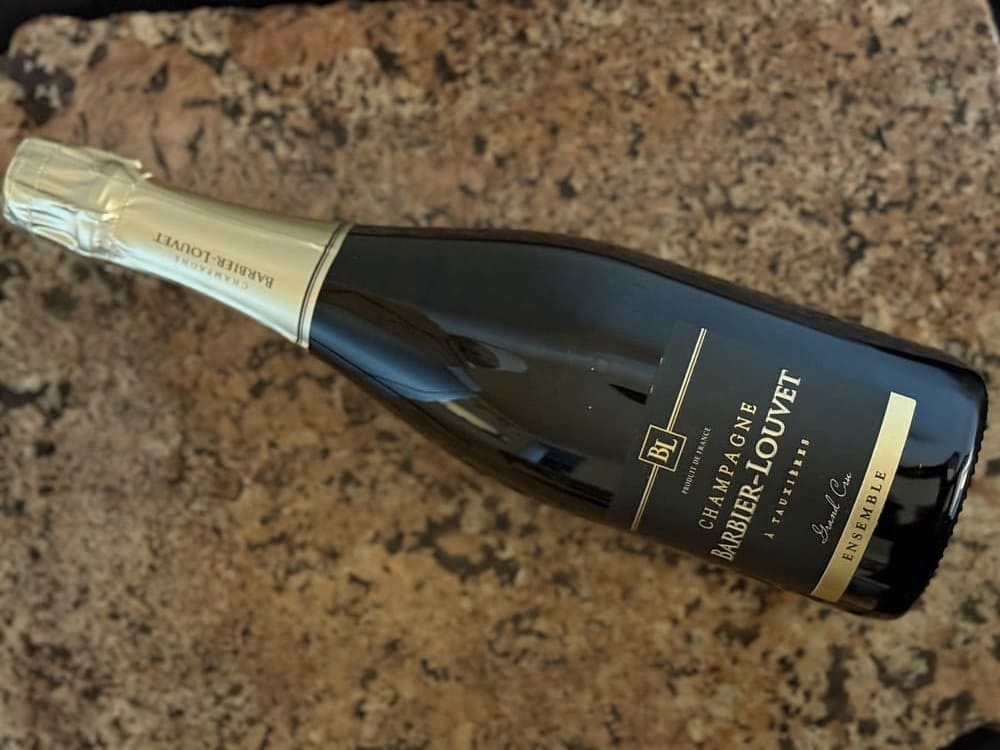
Why It’s Perfect for Prohibition Repeal Day
The Champagne Cocktail isn’t just a drink; it’s a celebration in a glass, making it the ideal choice for Prohibition Repeal Day. On December 5, 1933, the nation erupted in joy as the 21st Amendment brought an end to the dry era of Prohibition. After 13 years of speakeasies, bootleg liquor, and creativity born of necessity, Americans were ready to revel in the freedom to drink legally—and few beverages embody the spirit of celebration as perfectly as the Champagne Cocktail.
First, there’s the bubbles. Sparkling wine has long been associated with joyous occasions, from weddings to New Year’s Eve, and the Champagne Cocktail elevates this tradition. The effervescence of sparkling wine mirrors the excitement and liberation felt across the country when Prohibition was repealed. It’s a drink that captures the mood of the moment—light, celebratory, and unapologetically indulgent.
Then, there’s the simplicity. Prohibition forced many bartenders and home mixologists to get creative with limited ingredients, often masking the harshness of poorly made spirits. But the Champagne Cocktail, with its straightforward combination of a sugar cube, bitters, and sparkling wine, is a reminder that sometimes less is more. It’s a cocktail that doesn’t need gimmicks or elaborate techniques to make a statement—it relies on the quality of its components and the magic of its presentation.
The Champagne Cocktail also carries a touch of sophistication. During Prohibition, the clandestine world of speakeasies gave rise to a new kind of glamour, where jazz, fashion, and cocktails came together in defiance of the law. The Champagne Cocktail, with its timeless elegance, feels like a nod to that era—a drink that would have been right at home in a glittering underground bar.
Finally, the Champagne Cocktail embodies the spirit of indulgence. After over a decade of restrictions, the repeal of Prohibition wasn’t just about reclaiming the right to drink; it was about reclaiming the joy of life’s little luxuries. The drink’s balance of sweetness, effervescence, and a hint of bitter complexity makes it a perfect metaphor for celebrating freedom.
Prohibition Repeal Day is a time to look back on a unique chapter in American history, honor the resilience of creativity, and, most importantly, raise a glass to the right to toast freely. The Champagne Cocktail, with its festive sparkle and timeless charm, is more than just a cocktail—it’s a statement, a celebration, and a tradition worth savoring.
So this December 5th, pop a cork, drop a sugar cube, and sip your way into history with the Champagne Cocktail. After all, what better way to celebrate the end of the dry years than with a drink that’s equal parts elegance and exuberance
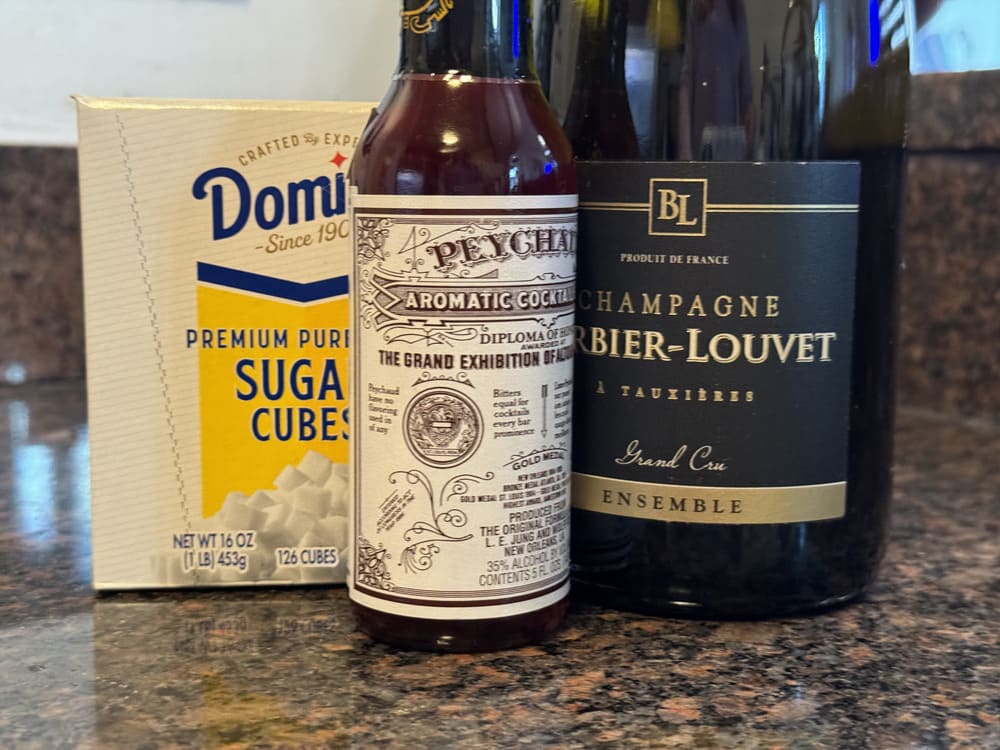
Champagne Cocktail Recipe
Ingredients
- 1 sugar cube
- 3 dashes of Angostura bitters
- 4-6 oz Champagne or sparkling wine
- 1 lemon twist, for garnish
Instructions
- Prepare the glass: Use a Champagne flute or coupe.
- Sweeten and spice: Place the sugar cube at the bottom of the glass and add the dashes of Angostura bitters. Let the sugar soak up the bitters for a moment.
- Add the sparkle: Slowly pour the Champagne or sparkling wine over the sugar cube. Watch it fizz beautifully!
- Garnish: Add a lemon twist to the rim or float it in the glass for a citrusy aroma.
- Serve: Present immediately while the bubbles are at their peak, and enjoy!
Pro Tips
- Choosing Champagne: While true Champagne adds luxury, Prosecco or Cava are excellent budget-friendly options. Just ensure it’s dry (Brut) to balance the sweetness of the sugar cube.
- Bitters variations: Experiment with orange or aromatic bitters for a unique twist.
- Flavored sugar cubes: Use flavored sugar cubes (like vanilla or lavender) to add depth to the drink.
- Garnish: For a festive twist, rim the glass with gold sugar or garnish with skewered cranberries or a sprig of rosemary.
Make the Champagne Cocktail in Under a Minute
How to Pair the Champagne Cocktail
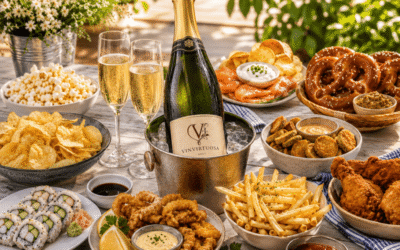
While the Champagne Cocktail is a star on its own, it truly shines when paired with carefully chosen bites that complement its effervescence, subtle sweetness, and delicate bitterness. Its versatility makes it a natural companion to both savory and sweet flavors, perfect for elevating any celebration, from intimate gatherings to elegant soirées.
Savory Pairings
- Oysters on the Half Shell
The briny, oceanic flavor of fresh oysters is a timeless match for Champagne, and the Champagne Cocktail is no exception. Its bubbles cleanse the palate, while the subtle sweetness balances the salty, delicate flavors of the oysters. For added flair, serve with a mignonette sauce or a squeeze of fresh lemon. - Cheese Platters
A well-curated cheese platter offers textures and flavors that sing alongside the Champagne Cocktail.- Creamy Brie: The velvety richness of Brie softens the cocktail’s brightness.
- Nutty Gruyère: Its slightly salty, aged character creates a delicious contrast to the cocktail’s sweetness.
- Tangy Goat Cheese: The tart, fresh flavors of goat cheese bring out the Champagne’s citrus and bitterness.
Add crackers, a dollop of fig jam, and fresh fruit like pear slices to round out the pairing.
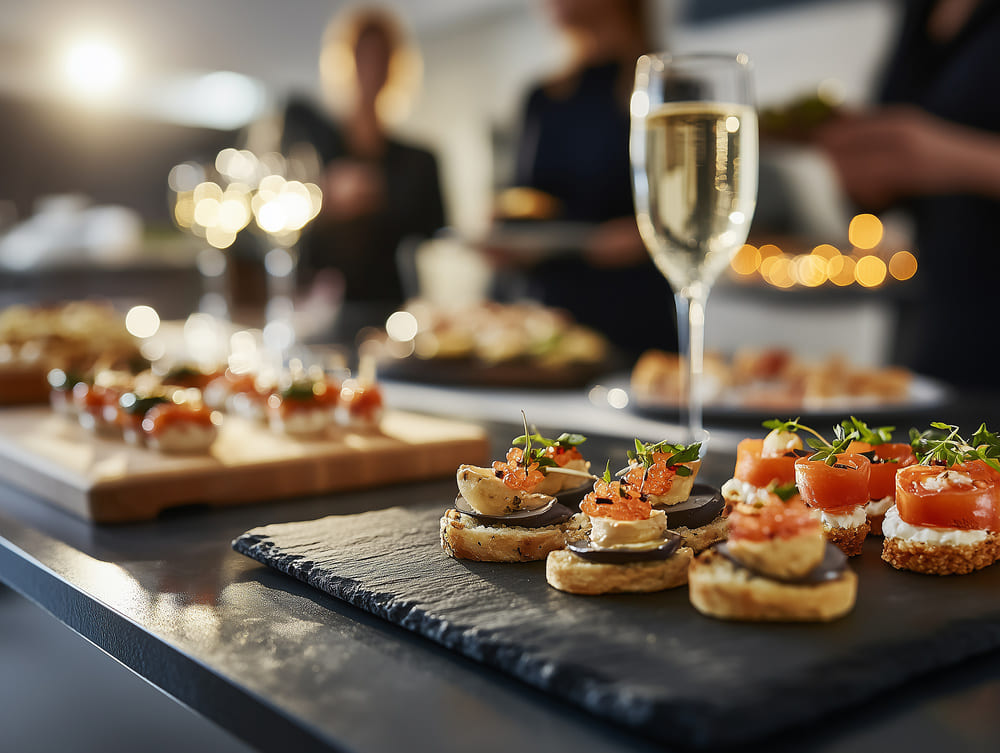
- Smoked Salmon Crostini
The silky texture and smoky depth of salmon marry beautifully with the crisp, effervescent nature of the cocktail. Serve atop toasted baguette slices with a smear of crème fraîche, a sprinkle of dill, and capers for a gourmet appetizer that highlights both flavor and presentation. - Prosciutto-Wrapped Melon
The savory-sweet balance of salty prosciutto and juicy melon makes for a refreshing pairing. The cocktail’s light bubbles cut through the richness of the prosciutto while accentuating the sweetness of the melon. - Mini Quiches
Delicate, bite-sized quiches—whether filled with spinach and cheese, mushrooms, or caramelized onions—pair beautifully with the cocktail’s subtle bitterness and acidity. These small, savory bites are perfect for brunches or cocktail parties.
Sweet Pairings
- Macarons
These French delicacies are the epitome of elegance, making them a perfect match for the Champagne Cocktail. Opt for flavors like lemon, raspberry, or pistachio to complement the drink’s citrus notes and sweetness. Their light, crisp texture mirrors the delicate bubbles in the glass. - Lemon Tartlets
The zesty, bright flavor of lemon tartlets harmonizes with the citrusy aroma of the cocktail. The sweet-tart filling and buttery crust enhance the cocktail’s balanced sweetness while offering a delightful burst of flavor. - Dark Chocolate Truffles
For a luxurious finish, pair the Champagne Cocktail with rich, bittersweet dark chocolate truffles. The deep, velvety notes of the chocolate create a beautiful contrast to the cocktail’s light, effervescent character. For a twist, try truffles infused with orange or raspberry for added dimension. - Madeleines
These delicate, shell-shaped French sponge cakes are a classic accompaniment to Champagne. Their soft, buttery texture and hint of lemon pair perfectly with the cocktail’s bubbles and aromatic notes. - Poached Pears with Vanilla or Honey
Tender poached pears in a light syrup of vanilla, cinnamon, or honey offer a sophisticated dessert pairing. The Champagne Cocktail’s crisp effervescence balances the pears’ sweetness while highlighting their natural fruitiness.
Pro Tips for Pairing the Champagne Cocktail
- Focus on Balance: Aim for foods with light, fresh, or delicate flavors to let the cocktail’s effervescence and subtle sweetness shine. Overly heavy or strongly spiced dishes may overpower its elegance.
- Play with Texture: The bubbles in the Champagne Cocktail pair beautifully with creamy textures (like Brie or crème fraîche) and crisp, delicate bites (like macarons or crostini).
- Citrus Complements: Foods with lemon or citrus notes harmonize effortlessly with the cocktail’s aromatic garnish and bitters.
By thoughtfully pairing the Champagne Cocktail with these savory and sweet delights, you’ll enhance both the drink and the food, creating a truly elevated tasting experience. Whether serving oysters at an upscale celebration or ending a dinner party with dark chocolate truffles, these pairings are sure to impress. Cheers to indulgence, elegance, and the joy of perfectly matched flavors!
Fun Facts About the Champagne Cocktail
1. One of the Oldest Cocktail Recipes
The Champagne Cocktail holds a special place in cocktail history as one of the oldest mixed drinks still enjoyed today. It predates classics like the Martini, the Manhattan, and even the Old Fashioned. Its first printed appearance in Jerry Thomas’s “How to Mix Drinks” in 1862 cemented it as a pioneer of elegant simplicity. The recipe itself remains virtually unchanged—proof that great cocktails stand the test of time.
2. A Drink of Elegance and Golden Age Glamour
The Champagne Cocktail was a favorite during the Golden Age of Hollywood, a period when movies and cocktails alike became synonymous with sophistication. You can spot this sparkling libation in iconic films such as Casablanca (1942), where its presence adds to the timeless allure of Rick’s Café. Stars like Greta Garbo, Humphrey Bogart, and Lauren Bacall effortlessly embodied the drink’s refined charm, turning it into a symbol of cinematic glamour. It wasn’t just a drink—it was a statement.
3. A Cultural Icon with Literary Roots
The Champagne Cocktail’s reputation extends far beyond film—it also found its place in the pages of literature. F. Scott Fitzgerald, who captured the essence of the Jazz Age like no other, often wove cocktails into his stories to reflect the era’s excess and elegance. In works such as The Great Gatsby, the Champagne Cocktail serves as a metaphor for the sparkle and decadence of the 1920s. It’s easy to imagine Gatsby raising a glass to Daisy under a cascade of glittering lights, the bubbles mirroring their fleeting dreams.
4. It’s a Sparkling Showstopper
Part of the magic of the Champagne Cocktail is its visual appeal. Watching the sugar cube dissolve and send a stream of tiny bubbles to the surface creates a mesmerizing effect, turning the drink into a sensory experience. This effervescent display often makes it a centerpiece at celebrations, from intimate dinners to glamorous galas.
5. The Cocktail that Traveled the World
While its roots may lie in 19th-century America, the Champagne Cocktail quickly became an international sensation. It gained particular popularity in Europe, where Champagne was already a symbol of luxury. In Parisian cafés and London cocktail bars, the drink became a favorite among artists, intellectuals, and society’s elite, blending Old World sophistication with New World creativity.
6. A Clever Way to Dress Up Sparkling Wine
During Prohibition, resourceful bartenders turned to the Champagne Cocktail as a way to mask the less-than-stellar quality of bootleg sparkling wine. The addition of bitters and a sugar cube not only enhanced the flavor but also elevated the drink’s appearance, giving it an air of refinement even in less-than-legal circumstances.
7. The Toast to Freedom
The Champagne Cocktail gained renewed prominence after Prohibition, becoming a celebratory staple as Americans embraced their hard-won freedom to enjoy a legal drink. Its light and festive nature makes it perfect for toasts, weddings, and milestones. Today, it’s as much a symbol of joyous occasions as it is a nod to history.
8. Variations and Modern Twists
While the classic recipe has stood the test of time, mixologists have embraced the Champagne Cocktail as a canvas for creativity. Variations might include a dash of cognac for added richness, a splash of fruit liqueur, or even a sparkling rosé (like Pierre Sparr Crémant Rosé) for a vibrant twist. This versatility ensures that the drink stays relevant and exciting, even in today’s cocktail culture.
9. A Low-Alcohol Delight
Despite its sophisticated reputation, the Champagne Cocktail is a surprisingly light drink, both in flavor and alcohol content. This makes it perfect for long celebrations or as a refreshing aperitif. You can sip it guilt-free, knowing you’re indulging in elegance without going overboard.
10. A Staple at the Most Luxurious Events
From royal banquets to red-carpet premieres, the Champagne Cocktail has cemented its place at the most glamorous events around the world. Its association with sparkling wine—the drink of kings and celebrations—means it continues to be a symbol of luxury, success, and life’s finest moments.
Watch the Video on YouTube
Make it Your Own
The beauty of the Champagne Cocktail lies in its simplicity and adaptability. While the classic version is timeless, this drink invites modern interpretations that add unique flavors, visual appeal, and a touch of creativity. Whether you’re looking to impress guests or indulge in something special, these twists will help you make the Champagne Cocktail your own—perfect for your Prohibition Repeal Day party or any festive occasion.
1. Rosé Champagne Cocktail
Add a splash of vibrant color and a fruit-forward twist by swapping traditional Champagne for a sparkling rosé. Rosé Crémant, such as Pierre Sparr Crémant d’Alsace Rosé, is a perfect choice here—it’s budget-friendly, beautifully blushed, and offers red berry notes that pair delightfully with the bitters and sugar. For added flair, garnish with a thin slice of fresh strawberry or a couple of pomegranate arils to enhance the drink’s elegance and festive look.
Flavor Profile: Fruity, fresh, and slightly floral.
Perfect For: A brunch celebration or an evening soirée with a hint of romance.
2. Spiced Champagne Cocktail
Give this classic cocktail a cozy, seasonal twist by adding spiced bitters like cinnamon, nutmeg, or clove. A few drops of spiced bitters mixed with the sugar cube will infuse the drink with warming flavors reminiscent of winter holidays. To take it further, garnish with a twist of orange peel and a sprinkle of freshly grated nutmeg for an aromatic finish.
Flavor Profile: Warm, fragrant, and festive.
Perfect For: Holiday gatherings, chilly winter evenings, or a Prohibition Repeal Day toast by the fire.
3. Floral Elegance
Transform your Champagne Cocktail into a show-stopping centerpiece with a floral garnish. Edible flowers like pansies, hibiscus, or violets add a burst of color and a delicate, garden-inspired aesthetic. For an extra floral touch, infuse the sugar cube with a hint of lavender or rose water before dropping it into the glass. The gentle floral notes will beautifully complement the sparkling wine without overpowering its crispness.
Flavor Profile: Light, aromatic, and visually stunning.
Perfect For: Garden parties, bridal showers, or any occasion that calls for refined elegance.
4. The French 75 Twist
Combine the simplicity of a Champagne Cocktail with the boldness of a French 75 by adding a splash of gin and a squeeze of fresh lemon juice. Start with the sugar cube and bitters as usual, then add about ½ ounce of gin and a touch of lemon juice before topping with Champagne. This variation adds a refreshing, botanical kick to the classic recipe. Garnish with a lemon twist for an extra zesty finish.
Flavor Profile: Crisp, citrusy, and lightly herbal.
Perfect For: Prohibition-themed parties where guests want a little extra punch in their glass.
5. Berry Bliss Champagne Cocktail
For a fruity twist, muddle a few fresh berries—such as raspberries, blackberries, or blueberries—at the bottom of the glass before adding the sugar cube and bitters. As you pour the Champagne, the muddled berries will infuse the drink with a subtle sweetness and a stunning, jewel-toned hue. Garnish with a skewer of fresh berries for an extra pop of color and sophistication.
Flavor Profile: Bright, fruity, and slightly sweet.
Perfect For: Summer celebrations or any party where vibrant colors take center stage.
6. Golden Glamour Champagne Cocktail
Elevate your cocktail with an opulent twist that screams luxury: edible gold leaf. Place a small, delicate piece of edible gold leaf on top of the cocktail, where it will catch the light and shimmer against the bubbles. You can also dust the sugar cube lightly with edible gold dust before dropping it in. This variation is all about indulgence and style, making it ideal for milestone celebrations or glamorous events.
Flavor Profile: Classic, with a glittering presentation.
Perfect For: New Year’s Eve, weddings, or a glitzy Prohibition Repeal Day toast.
7. The Tropics-Inspired Champagne Cocktail
Bring a bit of sunshine to your glass with tropical flavors like pineapple or passionfruit. Instead of a sugar cube, use a teaspoon of pineapple syrup or passionfruit purée at the bottom of the glass. Add a few dashes of orange bitters and top with chilled sparkling wine. Garnish with a pineapple leaf or a small slice of starfruit for an exotic presentation.
Flavor Profile: Sweet, tropical, and refreshingly vibrant.
Perfect For: Summer parties, tiki-themed celebrations, or when you’re dreaming of a getaway.
8. Amaro-Laced Champagne Cocktail
Add depth and a hint of herbal complexity by incorporating an Italian amaro like Montenegro or Averna. Place the sugar cube in the glass, add a dash of bitters, then pour in ¼ ounce of your chosen amaro before topping with Champagne. This twist adds a bittersweet note that pairs beautifully with sparkling wine. Garnish with an orange twist or a cherry for a sophisticated final touch.
Flavor Profile: Herbaceous, bittersweet, and layered.
Perfect For: Aperitivo hour or a refined cocktail experience.
Prohibition Creativity Meets Modern Sophistication
The Champagne Cocktail’s adaptability is part of its enduring charm. Whether you’re sticking to the classic recipe or experimenting with modern twists, the key is to embrace the joy and elegance that come with every effervescent sip. So go ahead—get creative, try something new, and make this timeless drink uniquely yours.
Prohibition Cocktails: A Creative Revolution
While the Champagne Cocktail dazzles with its simplicity and sparkle, it wasn’t the only star of the Prohibition era. The 1920s ushered in a golden age of creativity in mixology, fueled by necessity and the allure of the underground. Hidden behind unmarked doors, speakeasies became sanctuaries where people could savor forbidden drinks, dance to the sounds of jazz, and embrace the thrill of the clandestine.
With access to quality ingredients scarce and bootleg spirits often harsh and unrefined, bartenders became pioneers of invention. Their mission? To transform rough liquors into smooth, enjoyable creations and disguise inferior products with clever flavor combinations. Fresh citrus, honey, herbs, and bitters played pivotal roles, masking impurities while enhancing the sophistication of the drink. This era wasn’t just about survival—it was about ingenuity and redefining the art of the cocktail.
Many of the drinks born or popularized during this time remain staples of modern mixology. Their timeless recipes tell stories of defiance, creativity, and a nation determined to find joy amidst restriction. Here are a few enduring Prohibition-era cocktails that deserve a spotlight alongside the Champagne Cocktail:
1. The French 75
The French 75 is a sparkling, gin-based cocktail that epitomizes the elegance of Prohibition creativity. Named after the French 75mm field gun—a nod to its “kick”—this drink combines gin, lemon juice, sugar, and Champagne for a refined and bubbly concoction. Its versatility, much like the Champagne Cocktail, makes it a favorite for celebrations.
Why It Thrived: Combining the glamour of Champagne with the botanical edge of gin made it an instant hit, particularly as an alternative to rougher bootleg spirits.
Modern Twist: Swap gin for cognac for a richer, more luxurious variation.
2. The Bee’s Knees
This charming cocktail blends gin, lemon juice, and honey for a smooth and subtly sweet flavor. The name itself—slang for something exceptional—perfectly captures the drink’s charm. Honey became a go-to ingredient during Prohibition, as it added a touch of luxury while masking imperfections in subpar spirits.
Why It Thrived: The simplicity of the recipe and the addition of honey created a drink that was both accessible and refined.
Modern Twist: Try infused honeys, like lavender or ginger, to add a contemporary edge.
3. The Mary Pickford
Named after silent film star Mary Pickford, this vibrant cocktail embodies Hollywood glamour with its mix of white rum, pineapple juice, grenadine, and a dash of maraschino liqueur. Its tropical flavors offered escapism at a time when people longed for the exotic and the extravagant.
Why It Thrived: Pineapple juice and grenadine added sweetness and sophistication, while rum provided an alternative to illicit gin.
Modern Twist: Use freshly pressed pineapple juice and a splash of dry vermouth for balance.
4. The Sidecar
A perfect blend of cognac, Cointreau, and lemon juice, the Sidecar became a Prohibition favorite for its balance of sweet, sour, and spirit-forward flavors. Originating in Paris, it crossed the Atlantic and found a home in speakeasies, where its smooth elegance appealed to the sophisticated drinker.
Why It Thrived: Cognac offered a smoother, more refined alternative to harsher spirits, and citrus brightened the drink beautifully.
Modern Twist: Swap cognac for bourbon to create a rich, smoky variation.
5. The Southside
The Southside is a refreshing mix of gin, lime juice, sugar, and mint—a forerunner to the Mojito and a favorite among Chicago’s South Side gangsters. Its crisp, cooling flavors made it ideal for masking the harshness of illicit gin, earning it a cult following in speakeasies across the country.
Why It Thrived: Mint added a fresh, invigorating note that turned rough spirits into something surprisingly palatable.
Modern Twist: Add a splash of club soda for a fizzy variation that bridges the gap between a cocktail and a spritz.
Innovation and Elegance in a Glass
The Prohibition era forced mixologists to push the boundaries of their craft, transforming humble ingredients into iconic drinks that still grace cocktail menus today. It was a time of resilience, where creativity became a form of rebellion and every drink carried a story.If the Champagne Cocktail represents glamour and celebration, these Prohibition classics embody ingenuity and charm. Whether you’re toasting with a Bee’s Knees, sipping a citrusy Sidecar, or indulging in the effervescence of the French 75, each sip is a nod to the enduring spirit of an era that shaped the world of cocktails as we know it.
Ready to bring the Prohibition spirit to life? Explore these drinks alongside the Champagne Cocktail and let their fascinating history add an extra layer of sparkle to your celebration. Cheers to timeless flavors, bold creativity, and the joy of a perfectly crafted cocktail.
Tips for Making the Perfect Sparkling Wine Selection
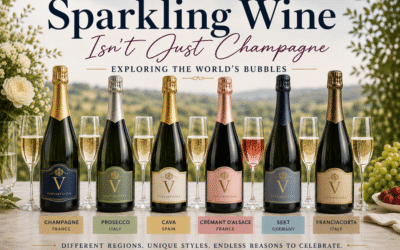
The Champagne Cocktail may look simple, but the sparkling wine you choose plays a significant role in its flavor and experience. While traditional French Champagne is a luxurious choice, there are plenty of other sparkling wines that can deliver excellent results without breaking the bank. Here’s how to pick the right one for your cocktail—and some specific brand suggestions to make your selection even easier.
1. Know Your Style
- Dry vs. Sweet: Look for a bottle labeled “Brut” if you prefer a drier, crisper cocktail. For a slightly sweeter profile, opt for “Demi-Sec.”
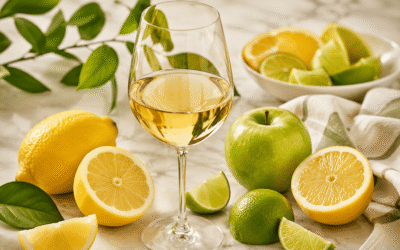
- Flavor Profile: Wines with citrus and green apple notes work wonderfully with the bitters and sugar cube, while those with a hint of brioche add depth and richness.
2. Explore Alternatives to Champagne
- Prosecco: This Italian sparkling wine offers a fruity and approachable option, often at a lower price point.
- Cava: Spain’s answer to sparkling wine, Cava delivers a crisp and refreshing experience, perfect for a budget-friendly yet elegant cocktail.
- American Sparkling Wines: Many U.S. producers are creating high-quality sparkling wines, often using the same traditional methods as Champagne.
- Sparkling Rosé Crémant: For a unique twist, consider a sparkling rosé from France’s Crémant regions. With delicate fruit notes and a stunning pink hue, these wines add both elegance and charm to your Champagne Cocktail.
3. Recommended Sparkling Wines
Not sure where to start? Here are a few tried-and-true sparkling wines that pair beautifully with the Champagne Cocktail:
- Classic Champagne: Moët & Chandon Brut Imperial is a reliable choice with its bright citrus notes and creamy texture.
- Prosecco: La Marca Prosecco’s crisp green apple and lemon flavors complement the bitters and sugar cube without overpowering.
- Cava: Freixenet Cordon Negro Brut is a crisp and zesty option, offering excellent value and a lively fizz.
- American Sparkling: Domaine Carneros Brut is a California gem, delivering a balanced profile with hints of pear and toasted almond.
- Budget-Friendly Rosé: Pierre Sparr Brut Rosé Crémant from Alsace is an excellent choice for those looking to add a pop of color and a layer of elegance. Its subtle strawberry and raspberry notes make it a refreshing and creative option for the Champagne Cocktail.
- Budget-Friendly: Mumm Napa Brut Prestige combines freshness and complexity, making it an accessible yet luxurious choice.
4. Don’t Overthink It
While premium Champagne is a fantastic splurge, the beauty of the Champagne Cocktail lies in its versatility. The bitters and sugar cube enhance even a mid-range sparkling wine, making it a drink that’s easy to enjoy no matter your budget.
5. Chill to Perfection
Serve your sparkling wine well-chilled. Aim for a temperature between 45°F and 50°F (7°C to 10°C) to preserve its effervescence and deliver the ultimate refreshing sip.
By choosing the right sparkling wine, you’ll elevate your Champagne Cocktail to new heights—turning a simple toast into a moment of true elegance.

A Toast to Timeless Elegance
The Champagne Cocktail is more than just a drink—it’s a celebration of history, style, and the enduring allure of sparkling wine. Simple yet sophisticated, it has stood the test of time, proving that great cocktails don’t need to be complicated to be extraordinary.
Whether you’re raising a glass to Prohibition Repeal Day, ringing in the New Year, or adding a touch of glamour to a casual evening, the Champagne Cocktail is the perfect companion. Pair it with thoughtfully selected sparkling wines, explore its connection to other Prohibition-era classics, and you’ll create an unforgettable experience for yourself and your guests.
So pop that cork, drop the sugar cube, and toast to life’s sparkling moments. Here’s to the magic of the Champagne Cocktail—a timeless drink for every celebration. Cheers!