

Introduction
When you hear the word Lambrusco, what comes to mind?
For many wine drinkers, the answer is simple: a sweet, fizzy red wine that was popular decades ago. Perhaps it reminds you of family gatherings in the 1970s or 1980s, a dusty bottle on a restaurant wine list, or a wine that seemed more like grape soda than something a serious wine enthusiast would choose.
If that’s your impression, you’re not alone.
Lambrusco has spent years battling a reputation built largely on inexpensive, mass-produced sweet wines that flooded international markets during the latter half of the twentieth century. While those wines certainly found an audience, they also overshadowed the rich history and diversity of one of Italy’s most fascinating wine styles.
But something exciting has happened in recent years.
A new generation of wine lovers, sommeliers, and producers has rediscovered Lambrusco. Today’s best examples are vibrant, food-friendly, and surprisingly sophisticated. Many are dry rather than sweet, showcasing bright acidity, refreshing bubbles, and flavors that range from fresh strawberries and cherries to dark berries, violets, and earthy spice.
In an era when wine drinkers are increasingly seeking authenticity, regional character, and wines that pair effortlessly with food, Lambrusco feels perfectly suited for the moment. It is approachable without being simple, affordable without sacrificing quality, and versatile enough to complement everything from charcuterie boards and pizza to barbecue and holiday meals.
In other words, Lambrusco is having a renaissance.
If you haven’t explored this iconic Italian wine in years—or if you’ve never given it a chance at all—now is the perfect time to discover why this sparkling red deserves a place on your table.
Quick Take
🍷 What: A lightly sparkling red wine from Emilia-Romagna, Italy
🍇 Styles: Dry, off-dry, and sweet
🍕 Best With: Pizza, charcuterie, barbecue, and cured meats
💰 Typical Price: $15–$30
⭐ Why It’s Trending: Wine lovers are rediscovering its quality, versatility, and value
What Exactly Is Lambrusco?
More Than One Grape
One of the most common misconceptions about Lambrusco is that it refers to a single grape variety. In reality, Lambrusco is the name of an entire family of grape varieties that have been cultivated in northern Italy for centuries.
The heartland of Lambrusco is the region of Emilia-Romagna, located between Milan and Florence. Known for producing some of Italy’s most beloved culinary treasures—including Parmigiano Reggiano, Prosciutto di Parma, and traditional balsamic vinegar—the region has a long history of pairing its rich cuisine with refreshing, lightly sparkling wines.
Within the Lambrusco family are dozens of grape varieties, but a few stand out as the most important and widely planted.
Lambrusco di Sorbara
Often considered the most elegant expression of Lambrusco, Sorbara produces wines that are lighter in color and body, with lively acidity and delicate aromas. Expect flavors of strawberry, raspberry, watermelon, rose petals, and citrus.
Its freshness and refinement have made it a favorite among sommeliers and wine enthusiasts looking for a sparkling wine that offers both character and versatility.
Lambrusco Salamino
Named for the shape of its grape clusters, which resemble small salami sausages, Salamino tends to produce wines with deeper fruit flavors and a slightly fuller body than Sorbara.
These wines often showcase notes of cherry, plum, blackberry, and violet, balanced by refreshing acidity and gentle bubbles. Salamino strikes a pleasing balance between elegance and richness, making it an excellent introduction to the world of Lambrusco.
Lambrusco Grasparossa
If you prefer bold red wines, Grasparossa may become your favorite style.
Typically darker in color and more structured than other Lambrusco varieties, Grasparossa produces wines with pronounced blackberry, black cherry, and plum flavors, along with hints of spice and earthy complexity. It also tends to have slightly more tannin, giving the wine additional depth and making it particularly well suited for hearty foods.
Together, these varieties demonstrate just how diverse Lambrusco can be. Far from being a one-dimensional sweet wine, Lambrusco offers a range of styles that can appeal to nearly every palate.
A Wine with Ancient Roots
Lambrusco may feel trendy today, but its story stretches back thousands of years.
Historical records suggest that wild Lambrusco vines were growing in northern Italy long before the rise of the Roman Empire. Ancient Roman writers, including Cato and Virgil, referenced wines produced from local grape varieties in the region, highlighting the area’s long-standing connection to viticulture.
For centuries, farmers in Emilia-Romagna cultivated Lambrusco alongside the foods that would eventually make the region famous. The wine’s naturally bright acidity and refreshing sparkle proved to be an ideal companion to rich local dishes, helping cleanse the palate between bites of cured meats, aged cheeses, and hearty pasta dishes.
Unlike many wines that undergo a complete transformation to meet modern tastes, Lambrusco has largely remained true to its roots. Traditionally produced with a light effervescence, the wine has long been appreciated for its freshness, drinkability, and ability to bring people together around the table.
Today, modern winemakers continue to honor that heritage while refining quality and showcasing the unique character of the region’s various Lambrusco grapes. The result is a wine that beautifully bridges the gap between history and modern taste—a wine that feels both timeless and surprisingly contemporary.
And perhaps that’s exactly why Lambrusco is capturing the attention of wine lovers once again.
Did You Know?
Lambrusco was one of the best-selling imported wines in America during the 1970s and 1980s, helping introduce millions of consumers to Italian wine.
How Lambrusco Got a Bad Reputation
The Sweet Wine Boom
For a wine with such a long and respected history, Lambrusco’s reputation took an unexpected turn during the late twentieth century.
Beginning in the 1970s and continuing through the 1980s, Lambrusco became one of Italy’s biggest wine export success stories, particularly in the United States. At a time when many Americans were just beginning to explore wine beyond the traditional table wines they knew, Lambrusco offered something approachable, affordable, and easy to enjoy.
Its slight fizz, fruity flavors, and touch of sweetness appealed to a broad audience. In many ways, Lambrusco became the gateway wine for an entire generation of consumers.
As demand grew, however, quantity often became more important than quality.
Large volumes of inexpensive Lambrusco were produced specifically for export markets. Many of these wines emphasized sweetness and simple fruit flavors rather than regional character or complexity. While they sold exceptionally well, they gradually reshaped public perception of what Lambrusco was supposed to be.
For many consumers, the word “Lambrusco” became synonymous with sweet, fizzy red wine.
Meanwhile, the more traditional styles being enjoyed throughout Emilia-Romagna remained largely unknown outside Italy. The nuanced expressions made from specific Lambrusco varieties rarely received the same attention as the mass-market versions filling supermarket shelves.
As wine culture evolved and consumers began gravitating toward dry wines, Lambrusco’s popularity declined. Many wine enthusiasts dismissed the category altogether, assuming it lacked the sophistication of other Italian wines.
Unfortunately, an entire wine region and centuries of tradition were judged by only one small slice of what Lambrusco had to offer.
The Reality Today
Fast forward to today, and the story looks very different.
Over the last two decades, producers throughout Emilia-Romagna have worked diligently to showcase Lambrusco’s true identity. Rather than focusing solely on volume, many wineries have shifted their attention toward quality, vineyard expression, and traditional winemaking practices.
Modern Lambrusco is increasingly being made with the same care and attention given to other respected wine regions around the world. Producers are highlighting individual grape varieties, specific vineyard sites, and regional distinctions that were often overlooked in the past.
Perhaps the biggest surprise for many wine drinkers is that a significant portion of today’s Lambrusco is dry.
While sweet styles still exist—and there is certainly nothing wrong with enjoying them—many of the most acclaimed examples are produced in a dry or off-dry style. These wines emphasize freshness, acidity, minerality, and vibrant fruit rather than overt sweetness.
As a result, Lambrusco has become a favorite among sommeliers and wine professionals who appreciate wines that are both food-friendly and distinctive.
The renaissance of Lambrusco is not about reinventing the wine. It is about returning to its roots and helping consumers rediscover what made it special in the first place.
The result is a category that feels simultaneously traditional and modern—a wine that honors its history while fitting perfectly into today’s dining culture.
“Unfortunately, an entire wine region and centuries of tradition were judged by only one small slice of what Lambrusco had to offer.”
The Styles of Modern Lambrusco
One of the most exciting aspects of exploring Lambrusco is discovering just how diverse the category can be.
Although many consumers think of Lambrusco as a single wine style, the reality is far more interesting. Different grape varieties, vineyard sites, and production methods create wines that range from delicate and floral to rich and deeply structured.
Understanding a few key styles can help you find the Lambrusco that best suits your palate.
Lambrusco di Sorbara
If Champagne and red wine somehow had an Italian cousin, it might be Lambrusco di Sorbara.
Often regarded as the most elegant and refined expression of Lambrusco, Sorbara is known for its pale ruby color, lively acidity, and delicate aromatics. It frequently displays aromas of fresh strawberries, raspberries, red currants, watermelon, rose petals, and citrus zest.
The wine’s bright acidity and refreshing bubbles create a light, energetic character that makes it incredibly food-friendly.
Many wine professionals consider Sorbara to be the most sophisticated expression of Lambrusco because of its balance, finesse, and ability to pair with a wide range of dishes.
If you’re skeptical about sparkling red wine, Sorbara is often the best place to begin.
Lambrusco Salamino
Lambrusco Salamino offers a wonderful middle ground between the delicacy of Sorbara and the power of Grasparossa.
Named for its elongated grape clusters, which resemble small salami sausages, Salamino typically produces wines with a richer fruit profile while maintaining refreshing acidity and balance.
Expect flavors of ripe cherries, red plums, blackberries, violets, and subtle spice notes. The bubbles tend to feel soft and integrated, adding lift without overwhelming the fruit.
Salamino is often considered one of the most versatile styles because it combines freshness and structure in equal measure. Whether paired with pizza, pasta, cured meats, or grilled foods, it consistently delivers an enjoyable and approachable experience.
Lambrusco Grasparossa
For red wine lovers who enjoy bolder flavors, Lambrusco Grasparossa may be the ultimate discovery.
Typically darker in color and fuller-bodied than other Lambrusco styles, Grasparossa produces wines with intense blackberry, black cherry, plum, and dark berry flavors. These wines often possess more tannin and texture than their counterparts, creating a structure that feels closer to traditional red wine.
The combination of rich fruit, gentle effervescence, and subtle earthy notes makes Grasparossa particularly well suited for hearty meals.
Think grilled sausages, barbecue, braised meats, burgers, or a meat-lover’s pizza. The wine’s acidity refreshes the palate while its fruit and structure stand up beautifully to robust flavors.
Sweet, Off-Dry, and Dry: Understanding the Labels
Another source of confusion for consumers is the level of sweetness found in Lambrusco.
Fortunately, the label often provides helpful clues.
Secco means dry. These wines contain little residual sugar and focus on freshness, acidity, and fruit character. Many of today’s most acclaimed Lambruscos fall into this category.
Semisecco means off-dry or semi-sweet. These wines retain a small amount of residual sugar that softens the acidity without making the wine overtly sweet. They can be an excellent bridge for those transitioning from sweeter wines to drier styles.
Dolce means sweet. These wines showcase noticeable sweetness and fruitiness and are often the style many consumers remember from decades past.
Understanding these terms can transform your shopping experience. Rather than avoiding Lambrusco based on outdated assumptions, you can confidently select a style that matches your personal taste preferences.
And once you begin exploring the diversity of modern Lambrusco, you may find yourself wondering why you waited so long to revisit this remarkable Italian classic.
“The beauty of Lambrusco is that it doesn’t demand a special moment—it helps create one.”
🍷 WHICH LAMBRUSCO IS RIGHT FOR YOU?
If you enjoy crisp rosé wines and bright acidity:
→ Try Lambrusco di Sorbara
If you like balanced reds with juicy fruit:
→ Try Lambrusco Salamino
If you prefer richer reds with more body and structure:
→ Try Lambrusco Grasparossa
Why Wine Lovers Are Rediscovering Lambrusco
So why is Lambrusco suddenly appearing on wine lists, showing up in wine shops, and earning praise from sommeliers and wine enthusiasts around the world?
The answer is surprisingly simple: Lambrusco checks a lot of boxes that modern wine drinkers are looking for.
Today’s consumers are increasingly seeking wines that are authentic, versatile, affordable, and enjoyable without requiring a special occasion. Lambrusco delivers on all of those fronts. It doesn’t take itself too seriously, yet it offers enough complexity to satisfy even experienced wine lovers.
In many ways, Lambrusco is exactly the kind of wine that fits today’s lifestyle.
It Is Incredibly Food Friendly
If there is one reason Lambrusco deserves a place in your refrigerator, it is its remarkable ability to pair with food.
Some wines demand careful planning and precise pairings. Lambrusco is much more forgiving.
Its naturally high acidity acts like a squeeze of lemon on a dish, brightening flavors and refreshing the palate. The gentle bubbles provide an added cleansing effect, helping cut through rich, salty, or fatty foods. Meanwhile, its moderate alcohol level keeps it refreshing and easy to enjoy throughout a meal.
This combination creates what wine professionals often call a “table wine” in the best possible sense of the term—a wine that works effortlessly with a wide range of foods rather than competing with them.
Rich charcuterie? Lambrusco can handle it.
Pizza loaded with toppings? No problem.
Barbecue dripping with smoky sauce? Bring it on.
Even foods that can be challenging to pair with wine, such as fried dishes or spicy cuisine, often find a willing partner in Lambrusco.
It is no coincidence that this wine evolved alongside some of Italy’s richest and most flavorful foods. Its refreshing character was practically designed to keep diners reaching for another bite—and another sip.
It Is Affordable
Another reason for Lambrusco’s growing popularity is that it offers tremendous value.
In a world where many well-known wine regions have seen prices climb steadily higher, Lambrusco remains refreshingly accessible.
Many excellent bottles can still be found for under $25, with some outstanding examples available closer to $15-$20. That means wine lovers can explore different producers and styles without feeling like they are making a major investment.
This affordability makes Lambrusco particularly appealing for casual gatherings and weeknight meals. You don’t need to save it for a special occasion. In fact, part of its charm is that it shines brightest in everyday moments.
Whether you’re sharing a pizza with friends, hosting a backyard barbecue, or simply relaxing after work, Lambrusco delivers quality and enjoyment without stretching your wine budget.
Few wines offer such a compelling combination of history, versatility, and value.
It Is Perfect for Modern Dining
Today’s dining culture is less formal than it once was.
Many people are moving away from elaborate multi-course dinners and embracing more relaxed ways of entertaining. Friends gather around charcuterie boards, share takeout on the patio, host pizza nights, or spend summer evenings grilling outdoors.
Lambrusco fits seamlessly into these occasions.
Unlike wines that require lengthy decanting or careful contemplation, Lambrusco invites people to relax and enjoy themselves. Its bubbles create an immediate sense of celebration, while its approachable fruit flavors make it accessible to both seasoned wine enthusiasts and newcomers alike.
It is equally comfortable at a backyard gathering as it is at a dinner party.
Serve it slightly chilled on a warm summer evening. Bring a bottle to a picnic. Open one alongside burgers fresh off the grill. Pair it with a Friday night pizza delivery.
The beauty of Lambrusco is that it doesn’t demand a special moment—it helps create one.
Perhaps that’s why so many wine lovers are rediscovering it today. In a world that often feels complicated, Lambrusco reminds us that wine can still be simple, joyful, and shared.
Why Lambrusco Works With Food
✓ Bright Acidity
✓ Gentle Bubbles
✓ Moderate Alcohol
✓ Refreshing Finish
✓ Versatile Styles
What Foods Pair Best with Lambrusco?
One of the greatest compliments you can give a wine is to say that it makes food taste better.
Lambrusco earns that compliment again and again.
The combination of acidity, fruit, bubbles, and moderate alcohol allows it to complement an astonishing range of dishes. While it is deeply rooted in the cuisine of Emilia-Romagna, its versatility extends far beyond northern Italy.
Traditional Emilia-Romagna Pairings
To understand why Lambrusco works so well with food, it helps to look at the region where it was born.
Emilia-Romagna is often called Italy’s culinary heartland, producing some of the country’s most famous foods. The rich, savory flavors of these regional specialties naturally inspired wines capable of balancing and refreshing the palate.
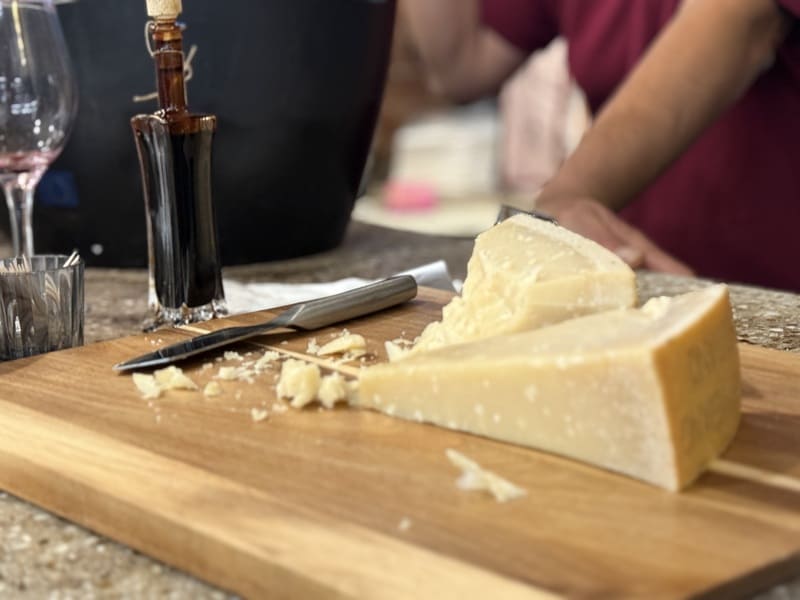
Few combinations are more classic than Lambrusco paired with Prosciutto di Parma. The wine’s acidity and bubbles cut through the ham’s silky richness while highlighting its delicate sweetness.
Mortadella, another regional favorite, finds a similarly harmonious partner in Lambrusco. The wine’s freshness balances the meat’s creamy texture and subtle spice.
Then there is Parmigiano Reggiano, often referred to as the “King of Cheeses.” The salty, nutty complexity of aged Parmigiano becomes even more expressive when paired with a vibrant Lambrusco, creating a combination that has delighted Italian tables for generations.
These pairings are not accidents. They are the result of centuries of culinary evolution, where local foods and local wines developed side by side.
Everyday Favorites
Fortunately, you don’t need an Italian feast to enjoy Lambrusco.
In fact, some of its best pairings are foods many of us eat every week.
Pizza may be one of Lambrusco’s greatest modern partners. The wine’s acidity complements tomato sauce beautifully, while its fruit and bubbles stand up to melted cheese and savory toppings.
Burgers are another excellent match. Whether topped with cheddar, bacon, mushrooms, or caramelized onions, the wine’s freshness helps balance the richness of the meat.
Barbecue also shines alongside Lambrusco. Smoky flavors, sweet sauces, and grilled meats all find a willing companion in the wine’s bright fruit and lively structure.
Sausage dishes, whether grilled, roasted, or served with peppers and onions, pair wonderfully with the fruit-forward character of many Lambrusco styles.
Even fried foods become more enjoyable with a glass nearby. The bubbles act almost like a palate reset button, refreshing your taste buds after every bite.
Unexpected Pairings
One of the most pleasant surprises about Lambrusco is how well it handles foods that many wines struggle to pair with.
Spicy dishes, for example, can be difficult because alcohol often amplifies heat. Lambrusco’s moderate alcohol, cooling bubbles, and juicy fruit help tame spicy flavors while keeping the pairing balanced.
Many Asian cuisines also work beautifully with Lambrusco. Think Korean barbecue, Chinese takeout, Japanese yakitori, or spicy Thai dishes. The wine’s fruit and acidity provide a bridge between sweet, savory, salty, and spicy flavors.
And then there are Thanksgiving leftovers.
Yes, really.
Turkey, stuffing, cranberry sauce, roasted vegetables, gravy, and even a leftover dinner roll somehow find common ground with Lambrusco. Its versatility allows it to navigate the wide range of flavors on the plate with surprising ease.
In fact, if you have ever struggled to find a single wine for an entire Thanksgiving meal, Lambrusco may be one of the best-kept secrets in the wine world.
The more foods you pair with Lambrusco, the more you begin to understand why Italians have treasured it for centuries. It isn’t just a wine to drink—it is a wine designed to be shared around a table filled with good food and good company.
My Recommended Lambruscos to Try
Ready to experience the modern face of Lambrusco for yourself?
The good news is that finding quality examples has become much easier than it was a decade ago. Many wine shops now carry at least one or two excellent Lambruscos, and several producers have earned reputations for consistently delivering outstanding quality.
If you’re curious about the category, these are some of the bottles I would recommend seeking out.
Medici Ermete Concerto Lambrusco Reggiano DOC
If there is a bottle that has helped redefine Lambrusco’s reputation among wine lovers, it may be Concerto.
Produced by the Medici Ermete family, this wine is often considered one of the benchmark examples of modern quality Lambrusco. It offers a beautiful balance between fruit, structure, and freshness while remaining approachable for newcomers.
Style: Dry (Secco)
Tasting Notes: Blackberry, black cherry, plum, violet, and subtle spice notes supported by lively acidity and fine bubbles.
Approximate Price: $18-$25
Best Food Pairing: Charcuterie boards, cured meats, aged cheeses, grilled sausages, and pizza.
This is often the bottle I recommend to skeptics who think they don’t like Lambrusco.
Cleto Chiarli Vecchia Modena Premium
Cleto Chiarli is one of the historic names in Lambrusco production, and this wine beautifully showcases why the family remains so respected today.
Richly flavored yet refreshingly balanced, it offers a wonderful introduction to the traditional style while still appealing to modern palates.
Style: Dry to Off-Dry
Tasting Notes: Blackberries, ripe cherries, blueberries, violets, and hints of baking spice.
Approximate Price: $15-$22
Best Food Pairing: Burgers, barbecue, meatballs, lasagna, and hearty pasta dishes.
This is the kind of wine that disappears quickly at a casual dinner party.
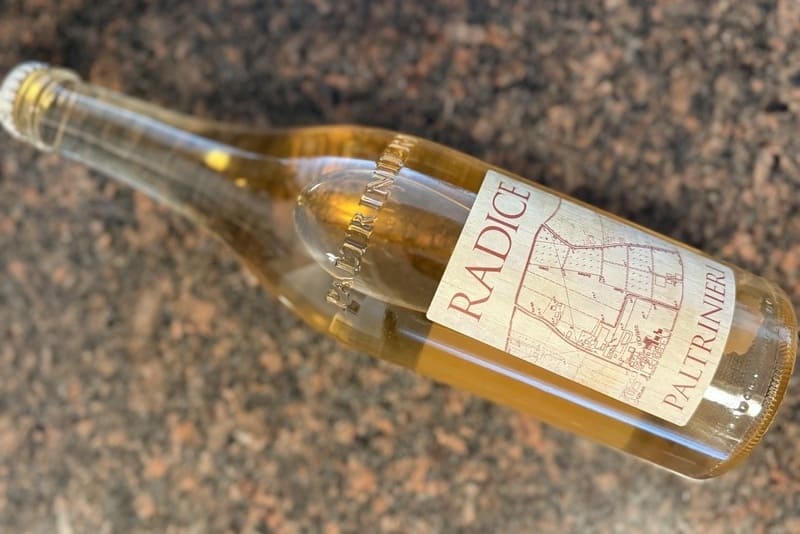
Paltrinieri Radice Lambrusco di Sorbara
For those who appreciate elegance and freshness, Radice is a revelation.
Produced from Lambrusco di Sorbara, this wine is often cited by sommeliers as one of the finest examples of the style. It demonstrates just how refined and sophisticated sparkling red wine can be.
Style: Dry (Secco)
Tasting Notes: Wild strawberry, raspberry, watermelon, rose petals, blood orange, and mineral undertones.
Approximate Price: $20-$30
Best Food Pairing: Prosciutto di Parma, Parmigiano Reggiano, seafood appetizers, light pasta dishes, and fresh summer salads.
If you enjoy crisp rosé wines or sparkling wines, this bottle deserves a place on your must-try list.
Venturini Baldini Montelocco
Produced from organically farmed vineyards in Emilia-Romagna, Montelocco showcases the richer side of Lambrusco while maintaining freshness and balance.
It offers depth without becoming heavy, making it a versatile companion for a variety of meals.
Style: Dry (Secco)
Tasting Notes: Black cherry, blackberry, plum, violet, and earthy spice notes with a smooth texture.
Approximate Price: $18-$25
Best Food Pairing: Grilled meats, sausage dishes, mushroom-based recipes, and barbecue.
This is a wonderful choice when you want a sparkling wine that can stand up to more robust flavors.
Lini 910 Labrusca Rosso
Lini 910 has developed a loyal following among wine professionals, and for good reason. Their wines consistently combine authenticity, balance, and exceptional drinkability.
Labrusca Rosso is vibrant, energetic, and remarkably food-friendly.
Style: Dry (Secco)
Tasting Notes: Cherry, blackberry, cranberry, violet, and subtle earthy nuances with refreshing acidity.
Approximate Price: $18-$28
Best Food Pairing: Pizza, charcuterie, roast chicken, cured meats, and holiday meals.
This bottle beautifully demonstrates why Lambrusco belongs at the dinner table rather than being treated merely as an aperitif.
Whether you begin with the elegance of Paltrinieri Radice, the richness of Concerto, or the versatility of Lini 910, each of these wines offers a glimpse into the exciting world of modern Lambrusco.

What I’m Drinking
To celebrate Lambrusco Day this year, I’m opening a bottle of Paltrinieri Radice Lambrusco di Sorbara, one of the wines most frequently recommended by sommeliers and wine professionals when discussing the modern revival of Lambrusco.
Produced in Emilia-Romagna, Radice is made primarily from the Lambrusco di Sorbara grape, a variety often considered the most elegant expression within the Lambrusco family. If you’re looking for a bottle that challenges outdated perceptions of sparkling red wine, this is an excellent place to start.
In the glass, the wine immediately stands out with its vibrant color and lively effervescence. Unlike the deep purple hues many people expect from Lambrusco, Radice displays a beautiful bright ruby-pink color that almost resembles a dark rosé. The bubbles are energetic and inviting, creating a wine that feels festive from the very first pour.
On the nose, I found aromas of fresh strawberries, raspberries, watermelon, and rose petals, accompanied by hints of citrus and a subtle mineral note that adds complexity. The wine is wonderfully aromatic without feeling heavy or overwhelming.
The palate is where this wine truly shines. Crisp and refreshing, it delivers bright red berry flavors supported by mouthwatering acidity and delicate bubbles. Although many consumers associate Lambrusco with sweetness, this wine is decidedly dry, showcasing purity of fruit and remarkable balance. The finish is clean, refreshing, and leaves you eager for another sip.
What impressed me most about this wine is how effortlessly it demonstrates everything modern Lambrusco can be. It is fresh without being simple, elegant without being pretentious, and incredibly food-friendly.
If I were pairing this bottle with a meal, I would happily serve it alongside Prosciutto di Parma and Parmigiano Reggiano, a classic charcuterie board, pizza, or even a summer picnic spread. Its bright acidity and gentle bubbles make it one of those rare wines that seems to improve almost everything placed beside it.
After spending time with this bottle, it’s easy to understand why Lambrusco is experiencing such a remarkable comeback. Wines like Paltrinieri Radice remind us that some of the most rewarding discoveries in wine come from revisiting categories we thought we already knew.
And if this bottle is any indication, Lambrusco’s best days may still be ahead of it.
“It isn’t just a wine to drink—it is a wine designed to be shared around a table filled with good food and good company.”
Why Lambrusco Deserves a Place on Your Table
After spending time with a wine like Paltrinieri Radice, it’s easy to understand why Lambrusco is experiencing such a remarkable comeback.
Few wines have undergone a transformation in public perception quite like this historic Italian classic. For years, Lambrusco was dismissed as a sweet, fizzy relic of a bygone era. Yet beneath that reputation was a story waiting to be rediscovered—one rooted in centuries of winemaking tradition, remarkable regional diversity, and a deep connection to one of Italy’s greatest culinary regions.
Today, wine lovers are finally rediscovering what Italians have known all along.
Lambrusco is far more than the stereotypes that once defined it.
It can be elegant and delicate. It can be bold and structured. It can be dry, refreshing, complex, and surprisingly sophisticated. Most importantly, it remains one of the most food-friendly wines in the world.
In an age when wine prices continue to climb, Lambrusco also offers something increasingly rare: exceptional value. Many outstanding bottles remain affordable enough to enjoy on a weeknight while still delivering a memorable experience.
Whether you’re gathering friends for pizza night, building a charcuterie board, firing up the grill, or planning a holiday meal, Lambrusco brings something special to the table. It reminds us that wine does not have to be expensive, intimidating, or reserved for special occasions. Some of the best wines are the ones that bring people together, encourage conversation, and make a meal more enjoyable.
If your last experience with Lambrusco was years ago—or if you’ve never tasted it at all—consider this your invitation to revisit one of Italy’s most misunderstood wines. Sometimes the most rewarding discoveries come from setting aside old assumptions and approaching a familiar name with fresh eyes—and an open mind.