The Rosé Misconception
Mention rosé, and many people immediately picture a sunny afternoon, a beachside café, or a picnic in the park. Rosé has become so closely associated with warm weather that for many wine drinkers, it seems to disappear from consideration as soon as the leaves begin to change color.
It’s easy to understand why. Walk into almost any wine shop during the summer months and you’ll find displays filled with bottles of pale pink wine promising refreshment on hot days. Restaurant wine lists suddenly feature rosé by the glass, social media feeds fill with images of chilled bottles beside swimming pools, and catchy phrases like “Rosé All Day” seem to be everywhere.
But here’s the thing: rosé didn’t get the memo that it’s only supposed to be enjoyed from Memorial Day through Labor Day.
The truth is that rosé is one of the most versatile and food-friendly styles of wine in the world. Depending on the grape variety, region, and winemaking techniques used, rosé can range from delicate and crisp to rich and complex. Some rosés are perfect for sipping on a warm summer afternoon, while others have enough body and character to accompany roasted poultry, hearty seafood dishes, charcuterie boards, and even holiday meals.
In many ways, rosé offers the best of both worlds. It often combines the refreshing acidity and brightness that people love in white wines with some of the fruit character, texture, and structure typically associated with red wines. This unique balance makes rosé remarkably adaptable at the dinner table and suitable for a wide range of occasions throughout the year.
Yet despite its versatility, rosé continues to battle a persistent stereotype: that it is simply a seasonal wine meant only for summer enjoyment.
It’s time to rethink that idea.
Whether you’re planning a backyard barbecue in July, a Thanksgiving feast in November, or a cozy dinner party in the middle of winter, there’s likely a rosé that will fit the occasion beautifully. Let’s take a closer look at how rosé earned its summer reputation—and why it deserves a place at the table all year long.

Why Rosé Got a Summer Reputation
The Rise of Rosé Culture
Rosé has not always enjoyed the level of popularity it does today. While pink wines have been produced for centuries, rosé’s modern rise to fame began in earnest during the early 2000s, fueled largely by the success of Provence rosé from southern France.
Known for its pale salmon color, crisp acidity, and delicate flavors of strawberry, watermelon, citrus, and herbs, Provence rosé offered wine drinkers something refreshing, approachable, and easy to enjoy. It was elegant enough for wine enthusiasts yet accessible enough for casual consumers.
As demand grew, wineries around the world began producing their own versions, and rosé quickly evolved from a niche category into a global phenomenon.
At the same time, marketing played a significant role in shaping rosé’s image. Advertisements and promotional campaigns frequently featured rosé alongside scenes of beaches, yachts, rooftop parties, and poolside gatherings. The wine became closely associated with leisure, sunshine, and vacation lifestyles.
Then came the social media era.
Platforms like Instagram helped propel rosé to new heights of popularity. Beautifully photographed bottles, glasses glowing in the sunlight, and scenic vineyard backdrops created a highly shareable aesthetic. Rosé wasn’t just a wine—it became a lifestyle statement.
The phrase “Rosé All Day” became a cultural phenomenon, appearing on everything from T-shirts and tote bags to wine glasses and social media hashtags. Entire events and festivals were built around rosé, further reinforcing its image as the ultimate summer beverage.
While this marketing undoubtedly helped introduce countless people to rosé, it also unintentionally placed the wine into a seasonal box.
The message became clear: rosé was the wine of summer.
The Problem with the Stereotype
The trouble with stereotypes is that they rarely tell the whole story.
While many rosés are indeed light, refreshing, and perfect for warm-weather sipping, the category itself is far more diverse than many consumers realize. In fact, treating all rosé as a simple summer wine overlooks the incredible range of styles being produced around the world.
Not all rosés are pale and delicate. Some are made from grapes such as Pinot Noir, Sangiovese, Grenache, Mourvèdre, Tempranillo, and Syrah, resulting in wines with greater body, richer fruit flavors, and more structure. Certain rosés even undergo extended aging on their lees or spend time in oak, adding texture and complexity.
Consider the renowned rosés of Tavel in France’s Rhône Valley. These wines are often deeper in color, fuller-bodied, and capable of standing up to dishes that might overwhelm a lighter rosé. They challenge the notion that rosé is merely a simple porch-pounder.
Rosé’s versatility becomes even more apparent when food enters the equation.
One of the reasons rosé works so well with food is that it occupies a unique middle ground between red and white wine. It typically offers enough acidity to complement lighter dishes such as seafood, salads, and fresh cheeses, while also possessing enough fruit and structure to pair with poultry, pork, grilled vegetables, charcuterie, and a variety of international cuisines.
In fact, there are situations where rosé may be a better pairing than either red or white wine.
Think about a Thanksgiving table, where turkey, cranberry sauce, stuffing, sweet potatoes, vegetables, and gravy all compete for attention. Finding a single wine that complements every dish can be challenging. Rosé, with its balance of fruit, acidity, and moderate body, often rises to the occasion beautifully.
The same can be said for Mediterranean cuisine, picnic spreads, brunch menus, grilled salmon, and countless other dishes enjoyed throughout the year.
The reality is that rosé isn’t confined to a single season. It has simply been marketed that way.
Once wine lovers begin exploring the full range of rosé styles available, many discover that this versatile category deserves a permanent place in their wine rotation—not just during the hottest months of the year, but from January through December.
Rosé Myth #1: Rosé Is Only for Summer
Rosé’s popularity during the warmer months has led many wine drinkers to view it as a seasonal wine. While rosé is certainly refreshing on a hot summer day, its versatility extends far beyond poolside sipping. From spring vegetables and summer seafood to Thanksgiving turkey and winter charcuterie boards, rosé can shine at the table throughout the year.
Rosé Comes in Many Styles
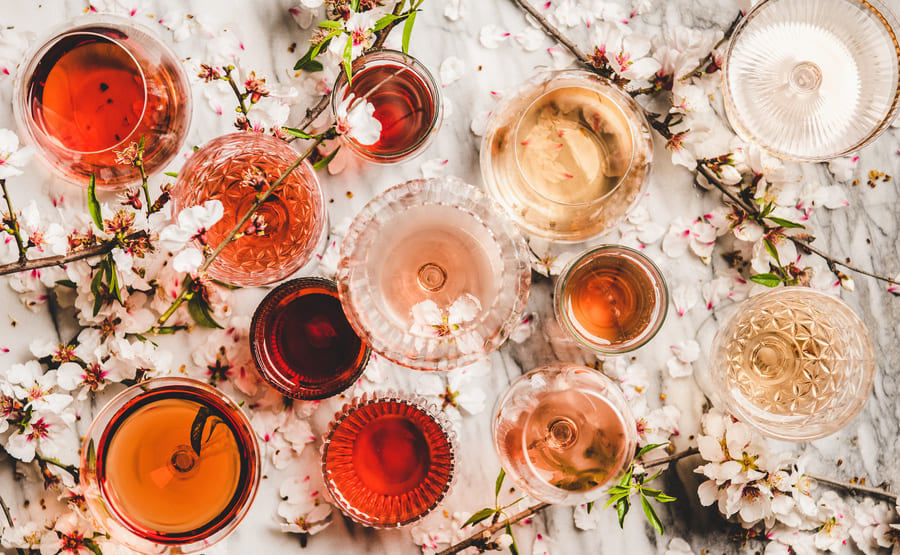
One of the biggest misconceptions about rosé is that all rosés taste the same. In reality, rosé is one of the most diverse categories of wine in the world. The color alone can range from the palest blush pink to a deep salmon or even vibrant ruby hue. Flavor profiles can vary dramatically depending on the grape variety, climate, region, and winemaking techniques used.
This diversity is one of the reasons rosé is so versatile. Whether you’re looking for a crisp aperitif, a refreshing companion for seafood, or a wine that can stand up to a hearty meal, there’s likely a rosé that fits the occasion.
Let’s explore some of the major styles.
Light and Refreshing Rosés
When most people think of rosé, this is the style that comes to mind.
The benchmark for light and refreshing rosé is Provence in southern France. These wines are often pale pink in color and prized for their elegance, freshness, and subtle complexity. Rather than delivering bold fruit flavors, they tend to emphasize finesse and balance.
Typical flavor notes include:
- Fresh strawberry
- Watermelon
- Citrus zest
- White peach
- White flowers
- Herbs such as thyme or rosemary
These wines are usually crisp, dry, and highly refreshing, making them ideal for warm weather and lighter fare. Their bright acidity pairs beautifully with fresh salads, grilled shrimp, oysters, goat cheese, and Mediterranean-inspired dishes.
What makes this style so appealing is its ability to refresh the palate without overwhelming food. A chilled glass of Provence rosé on a summer afternoon is certainly delightful, but these wines can be equally enjoyable alongside a spring vegetable tart or a simple roast chicken dinner any time of year.
Fruit-Forward Rosés
Moving beyond the classic French style, many New World rosés embrace a more fruit-driven personality.
Rosés from California and Washington often showcase riper fruit flavors while still maintaining enough acidity to remain balanced and food-friendly. Depending on the producer and grape varieties used, these wines can offer a more expressive and approachable profile.
Common flavor notes include:
- Raspberry
- Cherry
- Peach
- Strawberry jam
- Melon
- Red plum
These rosés tend to feel slightly rounder and more generous on the palate, making them crowd-pleasers for both seasoned wine enthusiasts and newcomers alike.
Their fruit-forward nature makes them excellent companions for a wide range of foods. Think grilled chicken, fish tacos, barbecue shrimp, charcuterie boards, burgers, pizza, and even mildly spicy dishes. The bright fruit flavors can complement sweet and savory elements alike, making them particularly versatile for casual entertaining.
For many wine lovers, fruit-forward rosés serve as a bridge between the refreshing qualities of white wine and the familiar fruit character found in lighter red wines.
Richer, More Structured Rosés
This is where rosé often surprises people.
Not every rosé is designed to be light and delicate. Some producers craft rosés with greater body, texture, and complexity, creating wines that can easily hold their own alongside more substantial meals.
Rosés made from Pinot Noir, Sangiovese, Grenache, Mourvèdre, or Syrah often display deeper flavors and a more pronounced structure. One of the most famous examples is Tavel from France’s Rhône Valley, a region devoted almost entirely to rosé production. Unlike many pale rosés, Tavel wines are often richer in color, fuller-bodied, and remarkably food-friendly.
Typical flavor notes may include:
- Ripe red berries
- Cherry
- Wild strawberry
- Dried herbs
- White pepper
- Baking spice
- Mineral notes
These wines often possess greater concentration and texture than their lighter counterparts, allowing them to pair successfully with dishes that many people would never think to serve with rosé.
Consider grilled salmon, pork tenderloin, roasted chicken, mushroom risotto, lamb burgers, Mediterranean cuisine, or even Thanksgiving dinner. A fuller-bodied rosé has enough fruit to complement savory flavors while maintaining the acidity needed to keep the palate refreshed.
This balance is one of rosé’s greatest strengths. While a powerful red wine can sometimes dominate delicate dishes and a crisp white wine can occasionally feel overwhelmed by richer foods, structured rosés often find the perfect middle ground.
For wine lovers willing to venture beyond the stereotypical summer rosé, these fuller-bodied examples can be a revelation. They demonstrate that rosé is not merely a seasonal refreshment but a serious and versatile wine capable of pairing with meals throughout the year.
The next time you browse the rosé section of a wine shop, remember that you’re not looking at a single style of wine. You’re exploring an entire spectrum of flavors, textures, and personalities—one of the many reasons rosé deserves far more attention than it often receives.
Rosé Myth #2: Rosé Is Sweet
Many people assume all pink wines are sweet, but most quality rosés are actually made in a dry style. While sweet rosés certainly exist, the majority of rosés from regions such as Provence, Bandol, Tavel, and Sancerre are crisp, refreshing, and dry. The wide range of styles found around the world is one of the reasons rosé continues to attract both casual wine drinkers and serious enthusiasts.
Rosé Through the Seasons
One of the greatest strengths of rosé is its remarkable adaptability. While many wines seem tied to a particular season, rosé has an uncanny ability to feel at home year-round. From the first fresh vegetables of spring to the hearty meals of winter, rosé’s balance of fruit, acidity, and structure allows it to complement an impressive range of foods.
Spring
Pair with:
- Asparagus dishes
- Spring salads
- Goat cheese
- Herb-roasted chicken
Spring is a season of renewal, bringing fresh vegetables, fragrant herbs, and lighter meals back to the table. Rosé’s bright acidity and delicate fruit flavors make it a natural companion for seasonal ingredients such as asparagus, leafy greens, and fresh goat cheese. Whether enjoyed with a simple spring salad or herb-roasted chicken, rosé captures the freshness and optimism of the season.
Summer
Pair with:
- Grilled shrimp
- Picnic fare
- Fresh fruit
- Mediterranean dishes
Summer may be rosé’s most famous season, and for good reason. Chilled rosé is refreshing on warm days and pairs beautifully with many of the foods we naturally crave during the summer months. Grilled seafood, picnic spreads, fresh fruit, and Mediterranean-inspired dishes all complement rosé’s vibrant character, making it a favorite for outdoor dining and casual entertaining.
Autumn
Pair with:
- Roasted turkey
- Butternut squash
- Mushroom dishes
- Harvest-inspired recipes
As temperatures begin to cool, rosé continues to shine alongside the flavors of autumn. The season’s roasted vegetables, earthy mushrooms, and savory herb-driven dishes benefit from wines that offer both freshness and enough structure to complement richer flavors. Rosé is also one of the most underrated Thanksgiving wines. Its bright acidity balances richer dishes such as stuffing and gravy, while its fruit character pairs beautifully with cranberry sauce and roasted turkey, making it an excellent choice for the entire holiday meal.
Winter
Pair with:
- Salmon
- Pork tenderloin
- Charcuterie boards
- Creamy pasta dishes
Winter offers an opportunity to explore fuller-bodied rosés and sparkling rosés that bring both complexity and celebration to the table. Richer rosés made from varieties such as Pinot Noir, Sangiovese, or Mourvèdre pair beautifully with roasted salmon, pork tenderloin, and comforting pasta dishes. Sparkling rosé is equally at home during the holiday season, adding elegance and festive charm to everything from holiday appetizers to New Year’s celebrations.
No matter the season, rosé consistently proves that it is far more than a summertime wine. Its versatility at the table is one of the many reasons wine lovers continue to discover new ways to enjoy it throughout the year.
“Rosé often succeeds where other wines struggle. It can bridge the gap between contrasting flavors and complement a wide range of ingredients without dominating the meal.”
Why Rosé Is One of the Most Food-Friendly Wines
If there is one reason wine professionals consistently champion rosé, it is its extraordinary ability to pair with food.
Many wines excel in specific situations. A crisp Sauvignon Blanc may shine alongside oysters and goat cheese, while a bold Cabernet Sauvignon can be magnificent with a grilled steak. Rosé, however, occupies a unique middle ground that allows it to complement an astonishing variety of dishes.
For anyone who has ever struggled to select a wine for a meal with multiple flavors, ingredients, or cooking styles, rosé may be the answer.
The Best of Both Worlds
One of the secrets behind rosé’s versatility is that it combines characteristics typically associated with both white and red wines.
Like white wine, rosé often offers:
- Refreshing acidity
- Bright citrus and fruit notes
- A crisp, clean finish
- The ability to refresh the palate
At the same time, rosé can also provide some of the qualities people enjoy in red wine:
- Red fruit flavors
- Greater texture and body
- Subtle tannin structure
- Additional depth and complexity
This unique balance makes rosé exceptionally adaptable at the table.
A delicate rosé from Provence can provide the same refreshing qualities that make Sauvignon Blanc so appealing, while a fuller-bodied rosé from Tavel or Bandol can offer enough structure to accompany dishes that might typically call for a light red wine.
As a result, rosé often succeeds where other wines struggle. It can bridge the gap between contrasting flavors and complement a wide range of ingredients without dominating the meal.
Foods Rosé Pairs Beautifully With
The list of foods that pair well with rosé is remarkably long.
Seafood is one of the most natural matches. The wine’s acidity complements the delicate flavors of fish and shellfish while enhancing freshness. Grilled shrimp, seared tuna, salmon, crab cakes, and seafood pasta dishes all find a willing partner in rosé.
Poultry dishes are equally successful. Whether you’re serving roast chicken, herb-marinated turkey, or grilled chicken skewers, rosé offers enough fruit and acidity to complement the dish without overwhelming it.
Pork, often one of the most versatile proteins, is another excellent match. Pork tenderloin, pork chops, and herb-roasted pork dishes pair beautifully with rosé’s balance of fruit and freshness.
Vegetarian cuisine also benefits from rosé’s flexibility. Grilled vegetables, mushroom dishes, grain bowls, tomato-based recipes, and fresh salads can all highlight different aspects of the wine.
Charcuterie boards and cheese plates may be where rosé truly shines. The combination of cured meats, cheeses, nuts, olives, fruits, and spreads presents a variety of flavors and textures that can challenge many wines. Rosé, however, often ties everything together effortlessly.
Mediterranean cuisine is another natural partner. Olive oil, herbs, seafood, vegetables, and grilled meats all complement rosé’s vibrant character. It’s no surprise that some of the world’s most famous rosés originate from regions where Mediterranean food traditions thrive.
Even spicy foods can be surprisingly successful pairings. Rosé’s fruit-forward nature and refreshing acidity can help balance moderate heat while complementing the complex flavors found in many international cuisines.
Perhaps the greatest compliment one can pay rosé is this: it is often the bottle that disappears first at a dinner party. Its versatility allows it to appeal to a wide range of palates while complementing nearly everything on the table.
That is not merely a summertime advantage—it’s a year-round superpower.
Rosé Myth #3: Rosé Is Made by Mixing Red and White Wine
This is one of the most common misconceptions about rosé. Most rosés are produced by allowing red grape skins to remain in contact with the juice for a short period before fermentation. This brief skin contact gives rosé its beautiful pink color and contributes to its unique balance of freshness and fruit. Mixing red and white wine is generally not how still rosé wines are produced.
Rosés Worth Exploring
If you’re ready to expand your rosé horizons, here are a few styles worth seeking out. Together, they demonstrate the remarkable diversity of rosé and prove that there is truly a rosé for every season.
Everyday Rosé
A classic Provence rosé remains one of the best introductions to the category.
Expect aromas and flavors of strawberry, watermelon, citrus, and fresh herbs, supported by bright acidity and a refreshing finish. These wines are approachable, food-friendly, and versatile enough to accompany everything from salads and seafood to casual weeknight dinners.
They are the wines that helped fuel the global rosé boom—and for good reason.
Rosé for Food Pairing
Bandol Rosé from Provence offers a more structured and gastronomic expression of rosé.
Often based on Mourvèdre, Bandol rosés display greater depth, texture, and complexity than many lighter styles. Flavors of red berries, herbs, spice, and mineral notes make these wines exceptional partners for grilled meats, roasted poultry, Mediterranean dishes, and holiday meals.
If you think rosé cannot be serious, Bandol is likely to change your mind.
Sparkling Rosé
Sparkling rosé combines elegance, freshness, and celebration in a single glass.
Whether produced using Pinot Noir, Chardonnay, or other varieties, these wines often deliver flavors of strawberry, raspberry, citrus, and brioche alongside vibrant bubbles and lively acidity.
Sparkling rosé is equally at home as an aperitif, alongside brunch, or during holiday celebrations. It offers all the versatility of rosé with the added magic of bubbles.
Premium Rosé
Some of the world’s most exciting rosés are crafted in limited quantities with the same care and attention given to top-tier white and red wines.
These wines often showcase greater concentration, complexity, and aging potential. They may reveal layers of red fruit, floral notes, spice, minerality, and texture that evolve beautifully in the glass.
Premium rosés remind us that pink wine can be every bit as thoughtful and compelling as any other category.
Unexpected Rosé Discovery
One of the joys of wine is discovering producers who approach rosé in a unique way.
Consider a rosé from Sancerre made from Pinot Noir rather than Sauvignon Blanc. These wines often combine vibrant acidity with elegant red fruit, floral notes, and striking minerality.
They can challenge preconceived notions about rosé while highlighting the creativity and diversity found within the category.
The next time you shop for wine, resist the urge to view rosé as a single style. Explore different regions, grape varieties, and producers. You may discover that some of your most memorable wine experiences come in shades of pink.
Rosé Myth #4: Rosé Isn’t a Serious Wine
Some of the world’s most respected producers craft rosés with the same care and attention devoted to their finest white and red wines. Premium rosés can display remarkable complexity, structure, and even aging potential. Wines such as Bandol Rosé, Tavel, and small-production rosés from regions like Sancerre demonstrate that great rosé is every bit as thoughtful, expressive, and worthy of attention as any other style of wine.
What I’m Drinking
As I was putting together this article, I couldn’t think of a better example of rosé’s year-round appeal than the bottle currently in my glass: Gérard Boulay “Sibylle” Rosé from Sancerre, France.
Many wine lovers know Sancerre primarily for Sauvignon Blanc, but the region is also home to Pinot Noir, which can produce elegant red and rosé wines. The Sibylle Rosé is a fascinating example of how closely great winemakers work with nature.
What makes this wine particularly special is that it isn’t produced every year as a rosé. Depending on the character of the vintage and what the grapes are expressing, the fruit may instead be used to create a red wine. In other words, this isn’t a wine made to satisfy market trends or seasonal demand. It is a wine that reflects the vintage and the winemaker’s vision.
That philosophy alone challenges the notion that rosé is merely a summertime beverage.
In the glass, the wine displays a beautiful salmon-pink hue that immediately suggests elegance and freshness. Aromas of wild strawberry, raspberry, citrus peel, and delicate floral notes rise from the glass, accompanied by the subtle mineral character that makes Sancerre wines so distinctive.
On the palate, the wine is vibrant and energetic, balancing bright acidity with layers of red berry fruit and a persistent mineral backbone. There is a precision and seriousness here that reminds the drinker that great rosé can be every bit as compelling as a fine white or red wine.
What I particularly enjoy about this style of rosé is its versatility at the table. It would be equally comfortable alongside grilled salmon, roast chicken, charcuterie, goat cheese, herb-driven dishes, or a leisurely outdoor lunch. At the same time, it possesses enough structure and complexity to accompany many of the autumn and winter dishes discussed earlier in this article.
Most importantly, this wine serves as a reminder that rosé is not defined by a season. It is defined by craftsmanship, terroir, and the same attention to detail that goes into any great wine.
A small-production rosé from Sancerre that isn’t even made every year may not fit the stereotypical image of poolside pink wine, but perhaps that’s exactly the point.
Rosé can be refreshing, serious, complex, food-friendly, and memorable—all at the same time.
Wine Details
Producer: Gérard Boulay
Region: Sancerre, Loire Valley, France
Grape Variety: Pinot Noir
Tasting Notes: Wild strawberry, raspberry, citrus peel, floral notes, and minerality supported by bright acidity and a long, refreshing finish.
Suggested Pairings: Goat cheese, grilled salmon, roast chicken, charcuterie, herb-roasted vegetables, mushroom dishes, and Thanksgiving turkey.
Why It Proves Rosé Isn’t Just for Summer: This limited-production wine demonstrates the complexity, structure, and food-pairing versatility that make rosé enjoyable throughout the year, regardless of the season.

Final Thoughts: Give Rosé a Place at the Table All Year
Rosé has come a long way from being viewed simply as a seasonal wine.
While its refreshing character certainly makes it a natural companion for warm summer days, limiting rosé to a few months each year means missing out on one of the wine world’s most versatile categories. As we’ve seen, rosé can range from light and delicate to rich and structured, offering styles suited to nearly every occasion and every season.
Its unique ability to bridge the gap between white and red wine makes it exceptionally food-friendly. Whether paired with spring vegetables, summer seafood, autumn harvest dishes, Thanksgiving turkey, or a winter charcuterie board, rosé consistently proves its value at the table.
Perhaps the greatest lesson rosé teaches us is not to judge a wine by its color—or by the season in which it is most often marketed.
The next time you’re browsing the wine aisle or planning a special meal, consider reaching for a bottle of rosé. Explore a new region, discover a new producer, or revisit a favorite style with fresh eyes.
You may find that rosé isn’t just a summer wine after all.
It’s a wine for celebrations, for quiet dinners, for holidays, for everyday moments, and for every season in between.
The next time you reach for a bottle of wine, don’t wait for the temperature to rise.
Rosé is ready whenever you are.
Join the Conversation
Do you enjoy rosé throughout the year, or do you typically reach for it only during the summer months?
I’d love to hear about your favorite year-round rosés, memorable rosé pairings, or producers you’ve discovered. Share your thoughts in the comments below!