
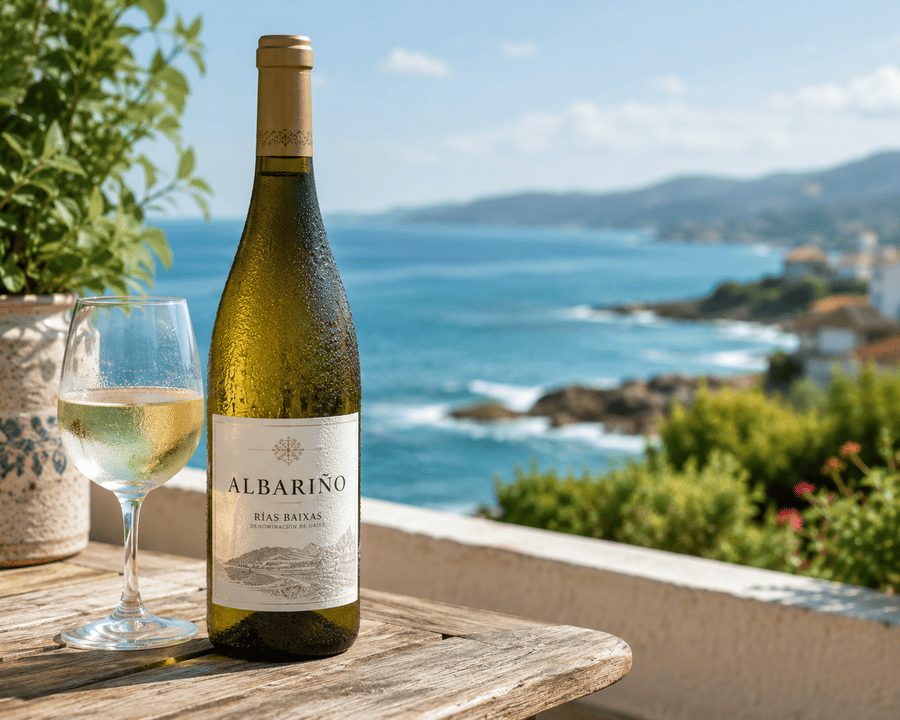
Fresh, Coastal, and Made for Warm Weather Sipping
Summer is the season of sunshine, outdoor gatherings, and easygoing meals shared with friends and family. As temperatures climb, many wine lovers naturally reach for familiar warm-weather favorites like Sauvignon Blanc, Pinot Grigio, or a crisp glass of rosé. These wines have earned their place on summer tables for good reason—they’re refreshing, versatile, and easy to enjoy.
But if you’re looking to expand your horizons beyond the usual suspects, there’s another white wine that deserves a place in your summer rotation: Albariño.
Originating from the rugged, coastal vineyards of northwestern Spain, Albariño has quietly become one of the wine world’s best-kept secrets. Bright and aromatic, it delivers vibrant citrus flavors, lively acidity, and a subtle saline quality that seems tailor-made for warm weather and fresh summer cuisine.
Imagine sitting on a patio overlooking the water, a plate of grilled shrimp or fish tacos in front of you, and a chilled glass of Albariño catching the afternoon sunlight. The wine’s crisp, refreshing character instantly awakens the palate, while its zesty fruit flavors and mineral undertones make each sip feel like a cool ocean breeze.
What makes Albariño particularly appealing is its ability to strike a balance between flavor and freshness. It offers more personality and aromatic complexity than many light-bodied white wines, yet remains incredibly easy to drink. Whether you’re hosting a backyard barbecue, planning a picnic in the park, or simply unwinding after a long summer day, Albariño is a wine that consistently rises to the occasion.
If you haven’t discovered Albariño yet, this summer may be the perfect time to make its acquaintance.
Bright, coastal, and endlessly refreshing, Albariño may be the summer white wine you’ve been overlooking.
What Is Albariño?
The Grape Behind the Wine
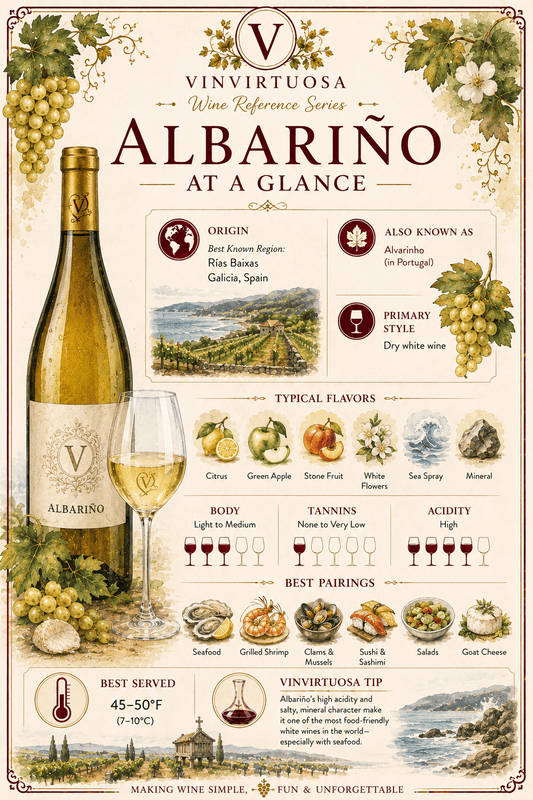
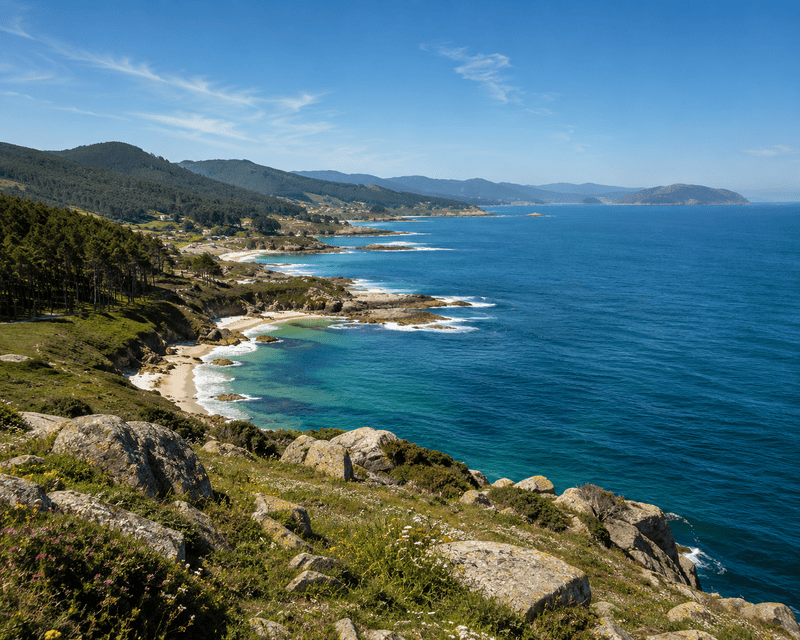
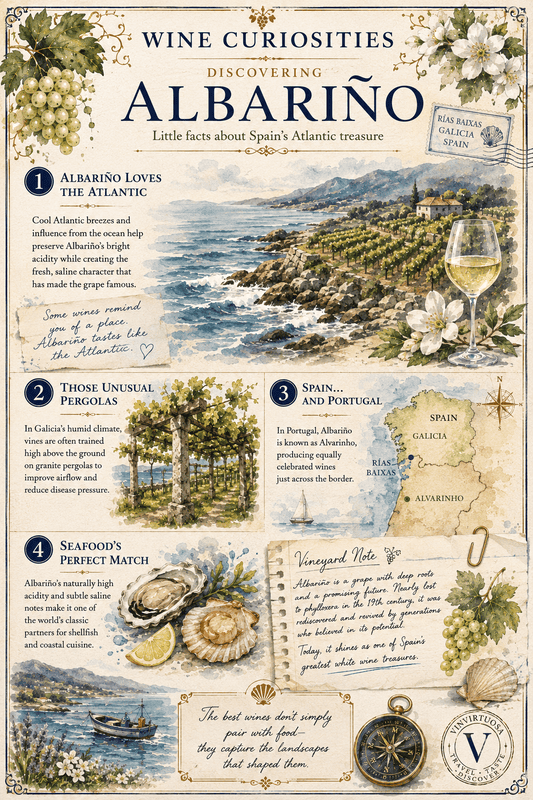
Albariño is a white grape variety most closely associated with Spain’s Galicia region, located in the country’s lush, green northwest corner. Unlike the sun-drenched landscapes many people imagine when they think of Spain, Galicia is heavily influenced by the nearby Atlantic Ocean, resulting in a cooler, wetter climate that produces some of the country’s most refreshing wines.
The grape reaches its highest expression in the Rías Baixas appellation (pronounced Ree-ahs Bye-shas), which has become synonymous with world-class Albariño. Here, vineyards are scattered across rolling hills, river valleys, and coastal landscapes where the Atlantic’s influence shapes every aspect of the growing season.
For centuries, local growers have cultivated Albariño in this unique environment, often training the vines high above the ground on traditional granite pergolas. This method improves airflow beneath the vines, helping to reduce disease pressure in a region known for its frequent rainfall and humidity.
While Spain remains Albariño’s spiritual home, the grape has steadily gained popularity around the world. Winemakers in California, Oregon, Washington State, Australia, and even parts of South America have begun experimenting with Albariño, drawn by its ability to retain freshness and acidity even in warmer climates.
These New World examples can be delicious in their own right, often showcasing riper fruit flavors and a slightly richer texture. However, many wine enthusiasts still look to Rías Baixas as the benchmark for Albariño’s signature combination of citrus, minerality, and coastal freshness.
Why Coastal Vineyards Matter
To understand what makes Albariño so distinctive, it helps to look at where it grows.
The vineyards of Galicia sit under the strong influence of the Atlantic Ocean. Cool maritime breezes flow inland throughout the growing season, moderating temperatures and preventing grapes from ripening too quickly. This slower ripening process allows Albariño to develop complex flavors while preserving the bright acidity that gives the wine its refreshing character.
Rainfall also plays a significant role. Galicia is one of Spain’s wettest wine regions, receiving far more precipitation than many of the country’s famous inland appellations. While excessive rain can be challenging for growers, it contributes to the region’s vibrant green landscapes and helps maintain the freshness that defines Albariño.
The combination of cool temperatures, ocean influence, and an extended growing season allows the grapes to mature gradually. Rather than producing wines that are heavy or overly ripe, Albariño develops concentrated flavors balanced by remarkable energy and precision.
Many wine lovers also notice a subtle saline or mineral quality in Albariño. While the ocean itself doesn’t directly flavor the grapes, the maritime environment and coastal soils contribute to the wine’s distinctive sense of place. That hint of sea-breeze character is one reason Albariño pairs so effortlessly with seafood and other coastal cuisines.
The result is a wine that feels both vibrant and elegant—a refreshing expression of its Atlantic origins and one of the most enjoyable white wines to pour during the summer months.
What Does Albariño Taste Like?
One of the reasons Albariño has developed such a devoted following is that it delivers plenty of flavor without feeling heavy. It is the kind of wine that immediately grabs your attention with its bright aromas, yet remains refreshing enough to enjoy on a hot afternoon.
The first sip often reveals a burst of citrus fruit. Notes of lemon, lime, and grapefruit provide a zesty, mouthwatering quality that instantly refreshes the palate. Alongside the citrus, many Albariños offer flavors of crisp green apple, juicy peach, and ripe apricot, creating a beautiful balance between tartness and subtle stone fruit sweetness.
As the wine opens in the glass, delicate floral aromas may emerge, often reminiscent of white blossoms, orange flowers, or honeysuckle. These fragrant notes add elegance and complexity without overwhelming the wine’s vibrant character.
Perhaps the most fascinating aspect of Albariño is its subtle saline quality. Many wine lovers describe a faint sea-breeze or mineral note lingering on the finish. While not literally salty, this distinctive characteristic evokes the Atlantic coastline where many of the world’s best Albariños are grown. It’s a quality that makes the wine feel both refreshing and uniquely tied to its place of origin.
Light, Crisp, and Refreshing
If you’ve never tasted Albariño before, it can be helpful to compare it to some familiar white wines.
Compared to Pinot Grigio, Albariño is typically more aromatic and expressive. While Pinot Grigio often emphasizes simplicity and subtlety, Albariño tends to offer a broader range of fruit and floral aromas.
Compared to Sauvignon Blanc, Albariño generally shows less of the grassy, herbaceous character that some Sauvignon Blanc drinkers either love or dislike. Instead, Albariño leans more toward citrus, orchard fruit, and mineral-driven freshness.
Those who enjoy Chardonnay may appreciate Albariño’s fruit profile but will notice a much lighter body and fresher overall style. Most Albariños are not aged in oak, allowing their vibrant fruit and acidity to take center stage.
And for fans of dry Riesling, Albariño offers a similar sense of energy and brightness, though usually with a slightly broader texture and less pronounced sweetness.
What makes Albariño so appealing is its balance. It manages to be flavorful without being rich, aromatic without being overpowering, and refreshing without feeling overly sharp.
Tasting Tip
The next time you pour a glass of Albariño, take a moment before your first sip to notice the aromas. Swirl the wine gently and look for citrus fruits, white flowers, and hints of peach or apricot. As you taste, pay attention to how the bright fruit flavors transition into a clean, mineral-driven finish.
Look for a combination of vibrant citrus fruit and a subtle mineral or sea-breeze character. That refreshing balance is one of Albariño’s signature traits and part of what makes it so enjoyable during the summer months.
Think citrus, stone fruit, fresh sea air, and sunshine in a glass.

Why Albariño Is Perfect for Summer
Some wines seem almost designed for a particular season. Rich Cabernet Sauvignon often feels right at home beside a roaring fireplace in winter, while a chilled glass of rosé has become synonymous with warm afternoons and sunny patios.
Albariño belongs firmly in the latter category.
Its bright acidity, refreshing fruit flavors, and coastal character make it one of the most satisfying wines to enjoy when temperatures begin to climb. Whether you’re planning a casual gathering with friends or simply looking for a refreshing glass to enjoy after a long day, Albariño delivers everything many wine drinkers crave in a summer white wine.
It Loves Warm Weather
Summer heat can quickly expose the weaknesses of heavier wines. High alcohol, excessive oak, or a lack of acidity can leave a wine feeling cumbersome when the weather is warm.
Albariño takes the opposite approach.
Served well chilled, it immediately refreshes the palate with vibrant citrus flavors and crisp acidity. Each sip feels clean and invigorating, making it particularly appealing on hot afternoons when rich or heavy wines may feel out of place.
Its naturally bright acidity acts almost like a squeeze of fresh lemon, lifting the wine and keeping it lively from the first sip to the last. The finish is typically clean, crisp, and refreshing, encouraging another sip without ever feeling overwhelming.
This easy-drinking nature is one of Albariño’s greatest strengths. It’s a wine that can be appreciated by seasoned wine enthusiasts and casual drinkers alike. You don’t need a special occasion, extensive tasting notes, or a formal dinner to enjoy it. Sometimes all you need is a sunny afternoon and a chilled bottle waiting in the refrigerator.
It’s Made for Outdoor Entertaining
One of the challenges of summer entertaining is finding a wine versatile enough to complement a wide range of foods and occasions. Albariño rises to that challenge effortlessly.
Planning a picnic in the park? Albariño pairs beautifully with sandwiches, fresh fruit, cheeses, and light salads.
Heading to the beach? Its refreshing acidity and coastal character feel perfectly suited to seafood, shrimp cocktails, and sunny ocean views.
Hosting a patio dinner? Albariño works wonderfully alongside grilled fish, lemon-herb chicken, vegetable dishes, and Mediterranean-inspired cuisine.
Even backyard barbecues and poolside gatherings become more enjoyable with a bottle of Albariño on hand. Unlike heavier wines that may dominate a meal, Albariño complements the experience, providing freshness and balance without stealing the spotlight.
Its versatility is one reason wine professionals often describe Albariño as a crowd-pleaser. It offers enough complexity to interest wine enthusiasts while remaining approachable for guests who simply want a refreshing glass of wine to enjoy outdoors.
In many ways, Albariño captures the spirit of summer itself—bright, relaxed, refreshing, and best enjoyed in good company.
Albariño and Food: A Perfect Match
One of Albariño’s greatest strengths is its remarkable versatility at the table. While some wines seem limited to specific dishes or occasions, Albariño effortlessly adapts to a wide variety of foods, making it a reliable choice for everything from casual lunches to elegant summer dinners.
Its bright acidity, citrus-driven flavor profile, and refreshing finish allow it to complement food without overpowering it. At the same time, the wine offers enough character and complexity to stand on its own when enjoyed as an aperitif.
If there were ever a wine designed for warm-weather dining, Albariño would certainly be a strong contender.
Seafood’s Best Friend
It’s impossible to discuss Albariño without talking about seafood.
The grape’s coastal origins seem almost reflected in the glass, making it one of the most natural partners for dishes that come from the sea. In fact, many wine lovers consider Albariño one of the finest seafood wines in the world.
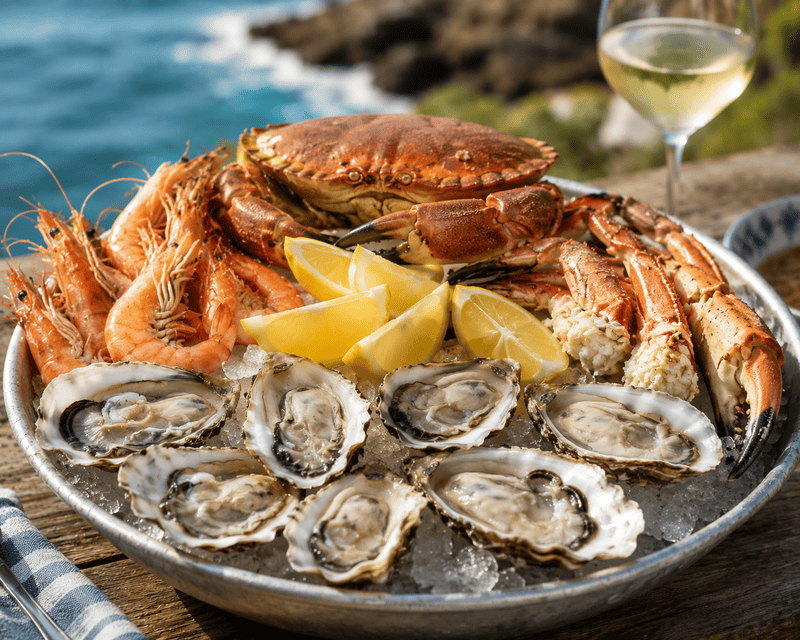
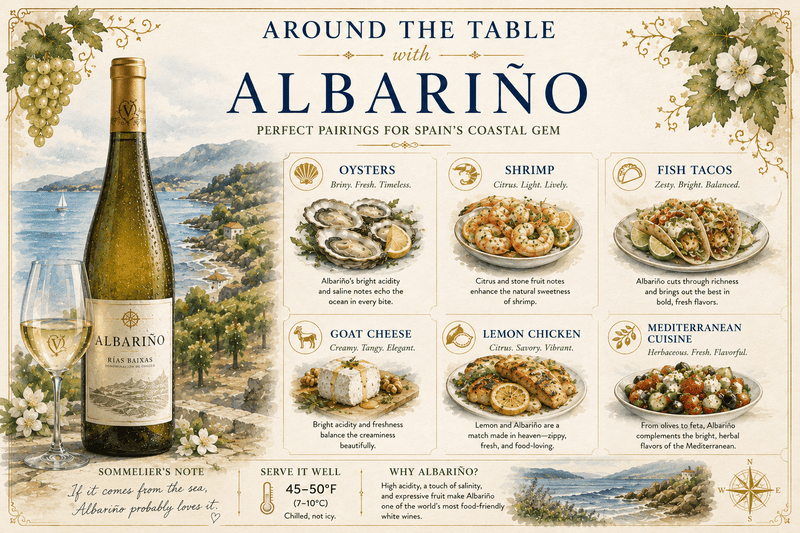
Imagine a platter of freshly shucked oysters served on ice. The wine’s vibrant acidity and subtle saline notes enhance the oysters’ briny freshness while cleansing the palate between bites.
The same magic happens with shrimp, whether grilled, poached, or served in a chilled cocktail. Albariño’s citrus character acts almost like a squeeze of fresh lemon, brightening the dish and highlighting its delicate sweetness.
Crab cakes paired with Albariño become a lesson in balance. The wine cuts through the richness while allowing the sweet crab meat to shine. A lobster roll, particularly one prepared in a lighter New England style, finds an equally harmonious companion in a crisp glass of Albariño.
Grilled fish is another natural match. Whether you’re serving halibut, sea bass, snapper, or simply a fresh catch from the local market, Albariño provides enough acidity and freshness to complement the fish without masking its flavor.
Even sushi lovers have much to appreciate. The wine’s clean profile, moderate body, and bright fruit make it an excellent partner for everything from sashimi and nigiri to rolls featuring shrimp, crab, or fresh vegetables.
Summer Favorites
While seafood often steals the spotlight, Albariño’s food-pairing versatility extends far beyond the ocean.
Its refreshing nature makes it an excellent choice for many of the dishes that appear on summer tables throughout the season.
Fresh salads topped with seasonal vegetables, citrus vinaigrettes, or grilled chicken pair beautifully with Albariño’s lively acidity. The wine’s brightness mirrors the freshness of the ingredients, creating a pairing that feels effortless and balanced.
Grilled vegetables such as zucchini, asparagus, bell peppers, and eggplant also shine alongside Albariño. The wine’s fruit-forward character softens smoky grill flavors while its acidity keeps the palate refreshed.
Goat cheese is another standout pairing. The creamy texture and tangy character of the cheese find a natural partner in Albariño’s citrus-driven profile, creating a combination that feels both vibrant and elegant.
For heartier summer fare, lemon-herb chicken offers an excellent match. The wine echoes the citrus elements in the dish while providing enough structure to complement the savory flavors.
Fish tacos, especially those topped with fresh slaw, avocado, and lime, may be one of the most enjoyable Albariño pairings of all. The wine’s crisp acidity enhances every component while maintaining a refreshing balance.
Mediterranean cuisine is equally at home alongside Albariño. Dishes featuring olive oil, fresh herbs, seafood, vegetables, and bright citrus flavors naturally complement the wine’s personality. From grilled octopus and Greek salads to Spanish tapas and mezze platters, Albariño feels like a seamless extension of the meal.
Why the Pairing Works
The secret to Albariño’s versatility lies in its balance.
Its naturally high acidity acts as a palate cleanser, refreshing the mouth between bites and preventing food from feeling heavy. This is especially valuable during summer when lighter, fresher dishes tend to dominate menus.
The wine’s citrus flavors often mirror ingredients commonly found in seafood and Mediterranean cuisine. Just as a squeeze of lemon can elevate a dish, Albariño brings brightness and energy to the pairing.
Finally, the wine’s subtle mineral and saline characteristics create a natural bridge to coastal foods. While the effect may be subtle, it helps explain why Albariño feels so perfectly suited to oysters, shellfish, grilled fish, and other seafood favorites.
The result is a wine that doesn’t simply accompany food—it enhances it.
Few wines feel as naturally at home beside a platter of oysters or grilled shrimp as Albariño.
Three Albariños to Try This Summer
Ready to discover Albariño for yourself? Fortunately, excellent examples are available at a variety of price points. Whether you’re trying the grape for the first time or looking to explore some of the region’s top producers, these bottles offer a great place to start.
Budget-Friendly Pick
Bodegas Martín Códax Albariño
If you’re new to Albariño, Martín Códax is one of the most approachable introductions to the style. Widely available and typically priced under $20, it consistently delivers the bright, refreshing qualities that make Albariño so appealing.
Expect aromas of citrus, green apple, and white flowers, followed by crisp acidity and a clean, refreshing finish. It’s the kind of bottle that’s equally enjoyable on its own or alongside a seafood dinner, making it an excellent value for everyday summer sipping.
For wine lovers curious about why Albariño has become such a favorite among sommeliers and enthusiasts, Martín Códax provides an easy and affordable starting point.
Classic Rías Baixas Pick
Pazo de Señorans Albariño
When wine professionals discuss benchmark Albariño, Pazo de Señorans is often part of the conversation.
Produced in the heart of Rías Baixas, this wine beautifully captures the elegance and balance that have made the region famous. It offers layers of citrus fruit, orchard fruit, floral notes, and minerality while maintaining the freshness that defines great Albariño.
What makes this bottle particularly appealing is its ability to combine immediate drinkability with impressive complexity. It’s a wine that rewards careful tasting while remaining approachable enough for casual enjoyment.
For readers looking to experience a classic expression of Albariño, Pazo de Señorans is an excellent choice.
Splurge Pick
La Caña Navia Albariño
For those seeking something truly special, La Caña Navia offers a more serious and age-worthy interpretation of Albariño.
While many examples of the grape focus primarily on freshness and fruit, La Caña Navia adds additional depth, texture, and complexity. Layers of citrus, stone fruit, floral notes, and minerality unfold gradually across the palate, creating a wine that feels both vibrant and sophisticated.
Despite its richer texture, the wine never loses the lively acidity that makes Albariño so refreshing. Instead, it combines power and elegance in a way that encourages slow, thoughtful enjoyment.
This is the bottle to open when you want to see just how compelling Albariño can be. Whether paired with an exceptional seafood meal or enjoyed on its own, La Caña Navia demonstrates why this grape is capable of producing some of Spain’s most exciting white wines.
The best part? Each of these wines showcases a different side of Albariño’s personality while remaining true to the freshness, vibrancy, and coastal character that make the grape such a perfect companion for summer.
Albariño captures the spirit of summer itself—bright, relaxed, refreshing, and best enjoyed in good company.
Serving Tips for Albariño
One of the many reasons Albariño has become a favorite among wine enthusiasts is that it’s remarkably easy to enjoy. Unlike some wines that require special preparation or lengthy cellaring, Albariño is designed to showcase its freshness, vibrancy, and youthful charm.
To experience the wine at its best, serve Albariño well chilled, ideally between 45°F and 50°F (7°C to 10°C). At this temperature, its citrus aromas, floral notes, and refreshing acidity shine without becoming muted by excessive cold or overwhelmed by warmth.
If your bottle has been sitting in the refrigerator for several hours, consider taking it out about 10 to 15 minutes before serving. This allows the wine to warm slightly and reveal more of its aromatic complexity while still remaining crisp and refreshing.
The good news for casual wine drinkers is that Albariño requires very little fuss. Unlike some fuller-bodied whites or structured red wines, there is generally no need to decant Albariño. Simply open the bottle, pour a glass, and enjoy.
Most Albariños are crafted to be consumed while they are young and vibrant. Their appeal lies in their bright fruit flavors, lively acidity, and fresh coastal character. While certain premium examples can develop beautifully with a few years of bottle age, the majority are best enjoyed within a few years of release when their energy and freshness are at their peak.
Perhaps most importantly, Albariño is a wine that fits naturally into relaxed occasions. It doesn’t demand a formal dinner party or a special celebration. In many ways, its charm comes from how effortlessly it complements life’s simple pleasures.
A bottle can be just as enjoyable at a backyard barbecue as it is at a seafood restaurant overlooking the water. It feels equally at home at a picnic in the park, a casual lunch with friends, a sunset gathering on the patio, or a quiet evening spent watching the last light of day fade into the horizon.
Like summer itself, Albariño is at its best when shared with good food, good company, and a sense of relaxation.
Final Thoughts
Summer offers no shortage of wine choices. Store shelves are filled with familiar bottles of Sauvignon Blanc, Pinot Grigio, and rosé, all promising refreshment on warm days. Yet sometimes the most memorable wine experiences come from stepping just slightly beyond our usual routine.
Albariño is one of those discoveries.
It combines the bright, citrus-driven refreshment that Sauvignon Blanc lovers appreciate, the easy-drinking appeal that has made Pinot Grigio so popular, and the food-friendly versatility that makes great coastal wines such a pleasure at the table. At the same time, it brings something entirely its own—a distinctive maritime character that reflects its Atlantic origins and gives the wine a personality unlike any other white variety.
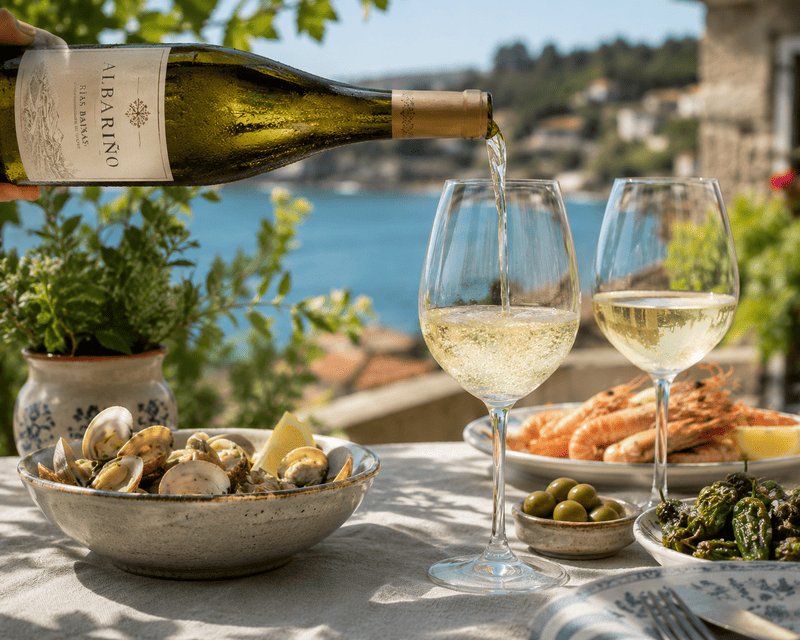
Whether you’re enjoying fresh oysters on a waterfront patio, sharing fish tacos with friends at a summer gathering, or simply looking for a crisp glass of wine after a long day, Albariño rises to the occasion. Its lively acidity, vibrant fruit flavors, and subtle mineral notes make it as versatile as it is refreshing.
Perhaps that’s why so many wine professionals quietly consider Albariño one of the wine world’s hidden gems. It delivers complexity without pretension, quality without excessive cost, and refreshment without sacrificing flavor.
So the next time you’re standing in a wine shop searching for the perfect bottle for a summer meal or weekend gathering, consider reaching for Albariño. You may discover that your new favorite summer white wine has been waiting for you all along on the cool, windswept coast of northwestern Spain.
Pour a glass, gather some friends, order a platter of shellfish, and let Albariño transport you to the Atlantic shores where this remarkable grape first made its name.
Have You Tried Albariño?
I’d love to hear about your experience. Have you discovered a favorite Albariño producer, memorable food pairing, or summer wine recommendation? Share your thoughts in the comments and join the conversation.