Introduction
For many wine drinkers, there comes a moment when curiosity begins to outgrow familiarity.
Perhaps Chardonnay was your gateway into the world of wine. Maybe Sauvignon Blanc became your favorite summer companion, or Pinot Grigio earned a permanent place in your refrigerator for easy weeknight sipping. These classic white wines have earned their popularity for good reason—they’re approachable, versatile, and widely available.
But eventually, many wine lovers reach a crossroads.
After tasting the same handful of familiar varieties, it’s natural to wonder what else is out there. The answer is: quite a lot. In fact, some of the most exciting white wines in the world rarely receive the same attention as their more famous counterparts. Hidden among the vineyards of Spain, Austria, Greece, Italy, France, and beyond are remarkable grapes producing wines with incredible character, distinctive flavors, and outstanding food-pairing potential.
Some offer vibrant citrus and mineral notes that seem tailor-made for fresh seafood. Others deliver fragrant aromas of flowers and stone fruit, while still others showcase a balance of acidity and complexity that can elevate everything from roasted chicken to spicy cuisine. Best of all, many of these lesser-known wines remain surprisingly affordable, offering exceptional quality without the premium price tag often associated with more recognizable names.
One of the greatest joys of wine appreciation is discovery—the thrill of finding a bottle you’ve never tried before and realizing it may become a new favorite. Whether you’re a seasoned enthusiast or simply looking to expand your wine horizons, exploring unfamiliar grapes can open the door to entirely new tasting experiences.
Whether you’re looking for something crisp and coastal, rich and aromatic, or perfectly suited to seafood, these ten white wines deserve a place on your radar.
Why It’s Worth Exploring Beyond Chardonnay
There’s nothing wrong with loving Chardonnay. Its remarkable versatility has helped make it one of the world’s most widely planted and beloved white wine grapes. Depending on where it’s grown and how it’s made, Chardonnay can be lean and mineral-driven, rich and buttery, or somewhere in between.
Yet Chardonnay represents only a small chapter in the much larger story of white wine.
One of the most fascinating aspects of wine is the way climate, geography, and tradition shape what ends up in your glass. A white wine grown near the windswept Atlantic coast of Spain will taste dramatically different from one cultivated in the volcanic soils of Greece or the sun-drenched hillsides of northern Italy. Each grape variety offers its own unique expression of place, creating an endless range of aromas, textures, and flavors for wine lovers to explore.
Venturing beyond familiar choices can also be surprisingly rewarding from a value perspective. Because many lesser-known grape varieties haven’t achieved the same global recognition as Chardonnay or Sauvignon Blanc, they often deliver exceptional quality at more approachable prices. Wine regions that fly under the radar frequently offer some of the best values on the shelf.
Exploration also expands your food pairing possibilities. While Chardonnay pairs beautifully with many dishes, other white wines can shine alongside foods that are notoriously challenging to match. Grüner Veltliner complements vegetables with ease. Riesling can tame spicy cuisine. Albariño practically begs to be served with shellfish. The more grapes you discover, the more versatile your wine-pairing toolkit becomes.
Perhaps most importantly, trying unfamiliar wines keeps the experience of wine fresh and exciting. Every bottle tells a story about a grape, a place, and the people who made it. With thousands of grape varieties grown around the world, there is always something new waiting to be discovered.
“The best wine discoveries often begin with a grape you’ve never tried before.”
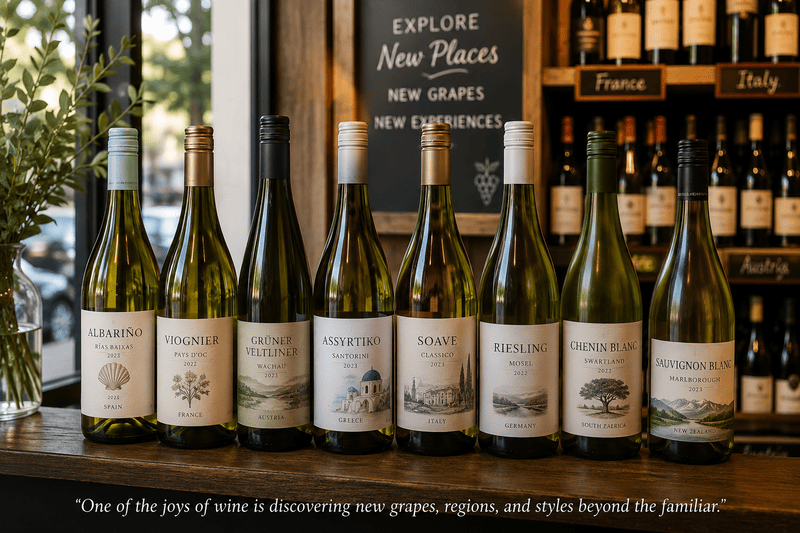
The ten wines that follow represent some of the most exciting, food-friendly, and rewarding white wines available today. While they may not enjoy the same name recognition as Chardonnay, they have earned devoted followings among sommeliers, wine professionals, and adventurous wine lovers alike—and for good reason.
1. Albariño
Spain’s Refreshing Coastal White
If summer could be captured in a wine glass, it might taste a lot like Albariño.
Grown primarily in the lush, green region of Rías Baixas in northwestern Spain, Albariño has earned a reputation as one of the world’s great seafood wines. Located along the Atlantic coast, this region is shaped by cool ocean breezes, abundant rainfall, and a maritime climate that helps preserve the grape’s naturally vibrant acidity. The result is a wine that feels fresh, energetic, and incredibly refreshing from the first sip to the last.
Albariño is often compared to Sauvignon Blanc because both wines are known for their bright acidity and citrus-driven character. However, Albariño typically offers a softer, rounder texture and a slightly more generous fruit profile. Rather than the herbaceous or grassy notes often associated with Sauvignon Blanc, Albariño tends to showcase flavors of lemon, lime, white peach, apricot, and sometimes even hints of nectarine. Beneath the fruit lies one of its most distinctive characteristics—a subtle saline quality that reflects its coastal origins.
That touch of sea-spray minerality is part of what makes Albariño so captivating. Each sip seems to evoke images of ocean breezes, rocky shorelines, and leisurely afternoons spent dining near the water. It is both elegant and approachable, offering complexity without requiring extensive wine knowledge to appreciate.
Perfect Pairings
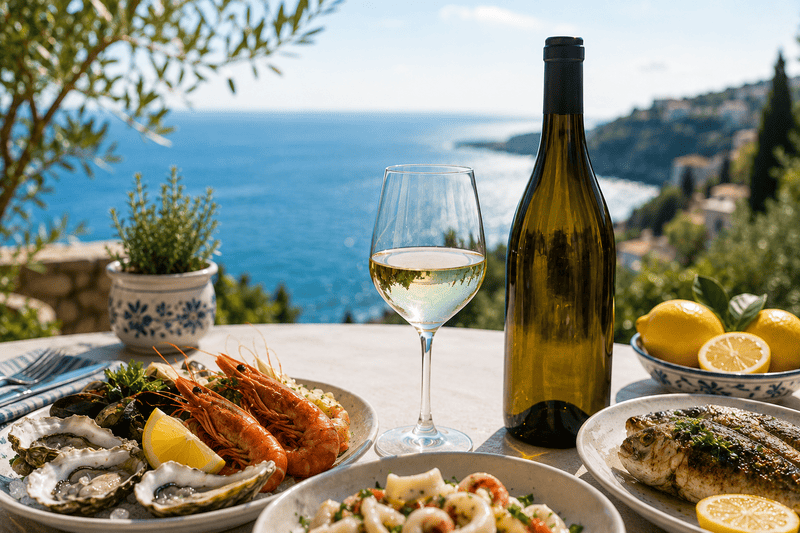
Albariño’s bright acidity and refreshing profile make it a natural companion for seafood.
- Fresh oysters
- Shrimp cocktail
- Grilled fish
- Sushi and sashimi
- Clams and mussels
- Light seafood pastas
Its citrusy freshness can cut through rich sauces while enhancing delicate seafood flavors, creating pairings that feel effortless and harmonious.
Why You’ll Love It
If you enjoy Pinot Grigio but occasionally wish it offered a little more flavor and character, Albariño may become your new favorite discovery. It delivers the crispness and refreshment that Pinot Grigio lovers appreciate while adding layers of stone fruit, minerality, and coastal charm that make every glass more intriguing.
For wine lovers seeking something refreshing, food-friendly, and undeniably summer-worthy, Albariño is an easy recommendation
2. Chenin Blanc
One Grape, Many Personalities
Few grapes demonstrate the remarkable versatility of wine quite like Chenin Blanc.
Originally from France’s Loire Valley, Chenin Blanc has been cultivated for centuries and remains one of the region’s most important grape varieties. Yet its story doesn’t end in France. Today, South Africa is home to more Chenin Blanc plantings than anywhere else in the world, producing a wide range of styles that have helped introduce this fascinating grape to a new generation of wine drinkers.
What makes Chenin Blanc truly unique is its ability to transform itself depending on where it is grown and how it is made. In one bottle, it may be crisp, dry, and mineral-driven. In another, it may offer a touch of sweetness balanced by mouthwatering acidity. It can be crafted into sparkling wine, luscious dessert wine, or age-worthy dry wines with remarkable depth and complexity.
Despite these many expressions, one characteristic remains consistent: Chenin Blanc’s naturally high acidity. This vibrant backbone gives the wine freshness, structure, and incredible food-pairing flexibility. It also allows sweeter styles to remain balanced and lively rather than heavy or cloying.
The flavor profile of Chenin Blanc can be equally captivating. Younger wines often display notes of green apple, pear, citrus, and quince, while more mature examples may develop hints of honey, beeswax, chamomile, and dried fruit. Depending on the region and winemaking approach, Chenin Blanc can range from bright and zesty to rich and textured.
Perfect Pairings
Thanks to its versatility, Chenin Blanc is one of the easiest wines to pair with a variety of dishes.
- Roast chicken
- Pork tenderloin
- Cream-based sauces
- Soft and semi-firm cheeses
- Charcuterie boards
- Roasted vegetables
Dry styles work beautifully with savory dishes, while off-dry versions can complement foods with a touch of sweetness or spice.
Why You’ll Love It
Chenin Blanc offers something for nearly every wine drinker. Whether you prefer crisp and refreshing wines, richer textured whites, sparkling wines, or even dessert wines, there’s a style of Chenin Blanc that can fit the occasion.
Its combination of bright acidity, complex flavors, and extraordinary adaptability has earned it a devoted following among sommeliers and wine enthusiasts around the world. Once you begin exploring Chenin Blanc, you’ll quickly understand why many consider it one of the most underrated and versatile white wine grapes on the planet.
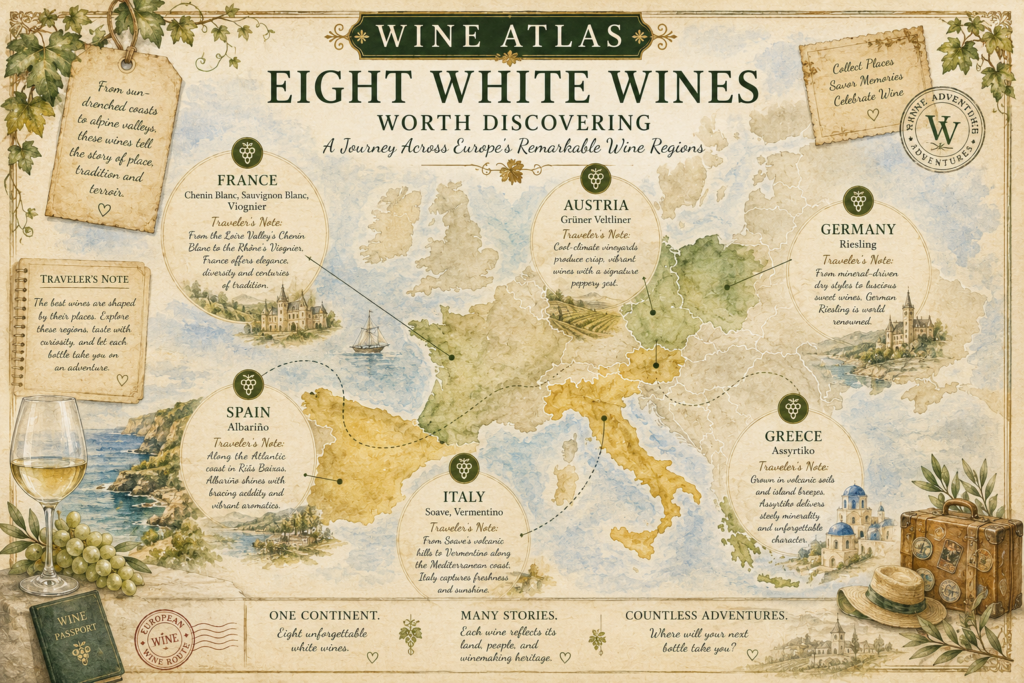
3. Grüner Veltliner
Austria’s Food-Pairing Superstar
If there were an award for the most underrated food wine in the world, Grüner Veltliner would be a strong contender.
As Austria’s flagship grape variety, Grüner Veltliner has long been beloved by sommeliers and chefs for its remarkable ability to pair with an incredibly wide range of foods. Yet despite its popularity among wine professionals, many casual wine drinkers have never experienced what makes this crisp, refreshing white wine so special.
At first glance, Grüner Veltliner may seem straightforward. It is typically dry, vibrant, and refreshing, with bright acidity that makes it easy to enjoy. But beneath that refreshing exterior lies a distinctive personality that sets it apart from other white wines.
The grape’s signature characteristic is a subtle white pepper note that often appears alongside flavors of lime, green apple, citrus zest, and fresh herbs. Depending on where it is grown and how it is produced, Grüner Veltliner can range from light and zesty to surprisingly rich and complex, but it almost always maintains its trademark freshness and lively structure.
Austria’s cool climate plays an important role in shaping the wine’s character. Long growing seasons help preserve acidity while allowing flavors to develop slowly, resulting in wines that feel both energetic and balanced. The best examples combine crisp fruit, mineral undertones, and savory complexity in a way that keeps you reaching for another sip.
What truly makes Grüner Veltliner stand out, however, is its extraordinary versatility at the table. Many wines excel with certain dishes but struggle with others. Grüner Veltliner seems to thrive where many wines falter.
Perfect Pairings
Grüner Veltliner is famous for pairing with foods that can be surprisingly difficult to match with wine.
- Fresh salads
- Asparagus and green vegetables
- Vegetable-based dishes
- Wiener schnitzel
- Asian cuisine
- Sushi
- Light poultry dishes
The wine’s acidity, herbal notes, and subtle spice allow it to complement flavors that often overwhelm other wines, making it a favorite choice for adventurous food lovers.
Why You’ll Love It
If you’ve ever struggled to find a wine that works with vegetables, herbs, or lightly spiced dishes, Grüner Veltliner may become your new secret weapon.
Its combination of freshness, complexity, and food-friendly versatility makes it one of the most useful wines to have in your repertoire. Crisp enough for summer sipping yet sophisticated enough for a dinner party, Grüner Veltliner proves that some of the world’s best white wines are still waiting to be discovered.
“If Grüner Veltliner is the sommelier’s secret weapon, Riesling is the wine world’s most unfairly misunderstood superstar.”
4. Riesling
The Most Misunderstood White Wine
Few wines suffer from more misconceptions than Riesling.
Mention Riesling to many wine drinkers and you’ll often hear the same response: “Isn’t that sweet?” While some Rieslings are indeed sweet, that perception tells only a small part of the story. In reality, Riesling is one of the most versatile and expressive grape varieties in the world, capable of producing wines that range from bone dry and mineral-driven to richly sweet dessert wines.
At its finest, Riesling is a remarkable reflection of place. The grape is particularly associated with Germany, where it has been cultivated for centuries and remains the country’s signature white variety. Germany’s cool climate allows Riesling to ripen slowly while maintaining naturally high acidity, creating wines that are both vibrant and intensely aromatic.
One of Riesling’s greatest strengths is its ability to balance fruit and freshness. Typical flavor profiles include lime, lemon, peach, apricot, and green apple, often accompanied by delicate floral aromas reminiscent of jasmine, honeysuckle, or orange blossom. In cooler regions, mineral notes may also emerge, adding another layer of complexity.
As Riesling ages, it can develop fascinating secondary characteristics that make it one of the world’s most age-worthy white wines. Well-made examples can evolve beautifully for years or even decades, gaining richness and complexity while retaining their signature acidity.
Perhaps the most important thing to understand about Riesling is that sweetness levels vary dramatically. Many modern Rieslings are completely dry, while others contain varying degrees of residual sugar. Fortunately, most producers clearly indicate the style on the label, making it easier than ever for consumers to find a Riesling that matches their preferences.
Perfect Pairings
Riesling’s combination of fruit, acidity, and occasional sweetness makes it one of the most versatile food wines available.
- Thai cuisine
- Indian dishes
- Spicy foods
- Pork dishes
- Asian-inspired cuisine
- Barbecue with a touch of sweetness
A slightly off-dry Riesling can be particularly magical with spicy foods, as the touch of sweetness helps tame heat while the wine’s acidity keeps everything balanced and refreshing.
Why You’ll Love It
Riesling succeeds where many wines struggle. It can be elegant yet approachable, refreshing yet complex, and powerful without feeling heavy.
Whether you prefer dry wines or enjoy a hint of sweetness, Riesling offers extraordinary versatility and some of the most expressive aromas found in any white wine. Once you move beyond the myth that Riesling is always sweet, you’ll discover one of the wine world’s most rewarding and food-friendly grape varieties.

5. Viognier
Rich, Aromatic, and Luxurious
Some white wines whisper. Viognier sings.
Known for its intoxicating aromas and silky texture, Viognier is one of the most distinctive white grape varieties in the world. Originally from France’s Northern Rhône Valley, where it produces some of the region’s most celebrated white wines, Viognier has gained admirers around the globe for its ability to combine richness, fragrance, and elegance in a single glass.
The first thing most people notice about Viognier is its remarkable aroma. Before the wine even reaches your lips, the glass often bursts with scents of ripe peach, apricot, honeysuckle, orange blossom, and other fragrant floral notes. These expressive aromas can make Viognier one of the most captivating wines to experience, particularly for those who enjoy wines with a strong sense of personality.
Yet Viognier is much more than an aromatic showpiece.
Unlike many lighter-bodied white wines, Viognier typically offers a rich, almost creamy texture that fills the palate. It often feels fuller and more luxurious than Sauvignon Blanc or Pinot Grigio, while maintaining enough freshness to remain balanced and enjoyable. The combination of ripe stone fruit flavors and a velvety mouthfeel gives Viognier a sense of richness that many wine drinkers find immediately appealing.
Because of its aromatic intensity and generous texture, Viognier often serves as a bridge between lighter white wines and fuller-bodied styles. It delivers richness without relying heavily on oak and complexity without feeling overwhelming.
For many wine lovers, Viognier offers the best of both worlds: the fragrance of an aromatic wine and the substance of a richer white wine.
Perfect Pairings
Viognier’s texture and fruit-forward profile make it an excellent companion for dishes with a bit more richness.
- Roasted chicken and turkey
- Creamy pasta dishes
- Mild curries
- Pork tenderloin
- Butternut squash dishes
- Soft cheeses
Its subtle sweetness of fruit and floral character can complement gentle spices beautifully, making it a particularly rewarding pairing with lightly spiced cuisines.
Why You’ll Love It
If you enjoy the body and richness of Chardonnay but would like something more aromatic and expressive, Viognier is an excellent next step.
Its lush texture, floral bouquet, and vibrant stone-fruit flavors create a wine that feels both elegant and indulgent. One glass is often enough to understand why so many wine enthusiasts consider Viognier one of the white wine world’s hidden treasures.
6. Vermentino
Mediterranean Sunshine in a Glass
If Albariño captures the spirit of Spain’s Atlantic coast, Vermentino embodies the warmth and vitality of the Mediterranean.
Widely grown throughout Sardinia, Tuscany, and the coastal regions of Southern France, Vermentino thrives in sunny climates where sea breezes help preserve freshness while encouraging vibrant flavor development. The result is a wine that feels bright, energetic, and effortlessly suited to warm-weather enjoyment.
Vermentino is often celebrated for its ability to balance freshness with character. On the palate, it typically delivers flavors of lemon, grapefruit, citrus peel, and green apple, often accompanied by notes of fresh herbs such as thyme or rosemary. Many examples also display a distinctive saline minerality that reflects their proximity to the sea, giving the wine an appealing savory edge.
This combination of citrus, herbs, and minerality creates a wine that feels both refreshing and complex. While some white wines rely heavily on fruit, Vermentino offers a more layered experience, blending bright flavors with subtle Mediterranean influences that make each sip intriguing.
One of the reasons Vermentino remains a favorite among wine professionals is its versatility. It can be enjoyed casually on a sunny afternoon, yet it also possesses enough character to elevate a meal. Refreshing without being simple and flavorful without being heavy, it strikes a balance that many wine lovers find irresistible.
A glass of Vermentino often feels like a miniature vacation—sunshine, sea breeze, and coastal cuisine all wrapped into one bottle.
Perfect Pairings
Vermentino’s vibrant acidity and herbal notes make it exceptionally food-friendly.
- Seafood pasta
- Grilled shrimp
- Mediterranean salads
- Grilled vegetables
- Herb-roasted chicken
- Light seafood dishes
Its bright citrus character enhances fresh ingredients, while its saline undertones make it particularly effective with seafood.
Why You’ll Love It
Vermentino is everything many people look for in a summer white wine: refreshing, flavorful, versatile, and easy to enjoy.
For fans of Sauvignon Blanc, Pinot Grigio, or Albariño, Vermentino offers a familiar freshness with an added layer of Mediterranean charm. Crisp citrus flavors, herbal complexity, and a touch of seaside minerality make it a wine that feels both approachable and memorable.
“From the floral elegance of Viognier to the seaside freshness of Vermentino, white wine offers far more diversity than many drinkers realize.”
7. Assyrtiko
Greece’s Hidden Treasure
Some wines tell a story of place so vividly that a single sip can transport you across the world. Assyrtiko is one of those wines.
Native to the Greek island of Santorini, Assyrtiko is often regarded as one of the most distinctive white grape varieties on the planet. Santorini’s dramatic landscape—formed by ancient volcanic eruptions and surrounded by the sparkling waters of the Aegean Sea—creates an environment unlike almost anywhere else in the wine world. It is here that Assyrtiko has developed its remarkable character, producing wines that are both intensely refreshing and profoundly expressive.
The island’s volcanic soils play a crucial role in shaping the wine’s personality. Poor in organic matter but rich in minerals, these soils force the vines to work hard, resulting in grapes with tremendous concentration and vibrant acidity. Combined with the island’s intense sunshine and constant sea breezes, the result is a wine that feels simultaneously powerful and precise.
Assyrtiko is often celebrated for its razor-sharp acidity, a quality that can surprise first-time drinkers. Even in Santorini’s warm Mediterranean climate, the grape manages to retain extraordinary freshness, making it one of the most energetic white wines you’ll encounter.
On the palate, Assyrtiko typically delivers flavors of lemon zest, citrus peel, and green apple, layered over distinctive notes of flint, crushed stone, sea spray, and mineral complexity. Unlike many fruit-forward white wines, Assyrtiko often emphasizes structure and minerality, creating a wine that feels sophisticated, focused, and incredibly food-friendly.
Many wine professionals compare Assyrtiko’s appeal to that of some of the world’s most respected mineral-driven white wines. Yet despite its quality and uniqueness, it remains one of wine’s best-kept secrets among everyday consumers.
Drinking Assyrtiko can feel like standing on a cliff overlooking the Aegean Sea—sunshine overhead, ocean air in the distance, and a sense of place woven into every sip.
Perfect Pairings
Assyrtiko’s high acidity and mineral character make it a natural companion for seafood and Mediterranean cuisine.
- Grilled octopus
- Oysters and shellfish
- Shrimp dishes
- Greek salads
- Grilled fish
- Lemon-forward Mediterranean recipes
Its freshness enhances delicate seafood flavors while its structure can stand up to richer preparations, making it one of the most versatile wines at the table.
Why You’ll Love It
If you enjoy crisp, mineral-driven wines such as Sauvignon Blanc, Chablis, or Albariño, Assyrtiko deserves a place on your must-try list.
Its combination of vibrant acidity, volcanic minerality, and coastal freshness creates a wine unlike any other. For lovers of refreshing white wines with depth and personality, Assyrtiko is nothing short of a revelation.
8. Soave
Italy’s Elegant Alternative
For many wine drinkers, Soave may be one of the most overlooked wines in Italy.
That is unfortunate, because today’s best Soave wines are among the country’s most elegant and rewarding white wine values.
Located in Italy’s Veneto region, just east of Verona, Soave is made primarily from the Garganega grape. For decades, the wine suffered from an outdated reputation, largely due to high-volume production that prioritized quantity over quality. As a result, many consumers came to view Soave as simple and unremarkable.
Fortunately, the story has changed dramatically.
Over the past several decades, a new generation of producers has focused on quality-focused vineyard practices, lower yields, and more expressive winemaking. The result is a renaissance that has transformed Soave into one of Italy’s most exciting white wine categories.
Modern Soave wines showcase a beautiful balance of freshness, elegance, and subtle complexity. Rather than relying on bold fruit flavors, Garganega tends to express itself with refinement and nuance. Common tasting notes include pear, citrus, lemon blossom, white flowers, and a gentle almond character that often appears on the finish.
Many of the region’s best vineyards are planted on volcanic hillsides, adding layers of minerality and texture that elevate the wine beyond what many consumers expect. The combination of bright acidity, delicate fruit, and mineral complexity creates a wine that feels sophisticated without becoming intimidating.
One of Soave’s greatest strengths is its versatility. It is light enough to enjoy as an aperitif yet structured enough to accompany a wide range of foods. Elegant rather than flashy, Soave rewards careful attention while remaining approachable and easy to enjoy.
Perfect Pairings
Soave’s balance of freshness and subtle richness allows it to pair beautifully with a variety of dishes.
- Pasta primavera
- White fish
- Risotto
- Grilled vegetables
- Herb-roasted chicken
- Light pasta dishes
Its delicate fruit and floral notes complement food without overwhelming it, making Soave an excellent choice for everyday dining.
Why You’ll Love It
If you’re a fan of Pinot Grigio but are looking for something with a little more depth, texture, and complexity, Soave is an excellent place to start.
It offers the freshness and approachability many Pinot Grigio drinkers enjoy while adding layers of floral character, subtle minerality, and elegant structure. Best of all, many outstanding examples remain remarkably affordable, making Soave one of the wine world’s great hidden values.
“Some of the world’s greatest wine values aren’t found in famous grapes—they’re found in regions waiting to be rediscovered.”
9. Gavi
Piedmont’s Refined White
While Italy is often celebrated for its iconic red wines, some of the country’s most elegant white wines come from the rolling hills of Piedmont in the northwest corner of the country. Among them, Gavi stands out as one of Italy’s most refined and versatile white wine styles.
Named after the town where it is produced, Gavi is made from the Cortese grape, a variety prized for its ability to create wines that are crisp, refreshing, and beautifully balanced. For generations, Gavi has been a favorite at Italian tables, appreciated for its understated elegance and remarkable compatibility with food.
Unlike some white wines that rely on bold aromatics or rich textures, Gavi’s appeal lies in its precision and purity. It is a wine that doesn’t shout for attention; instead, it rewards drinkers with subtle layers of flavor and a sense of effortless sophistication.
Typical examples showcase notes of lemon, green apple, citrus zest, and white peach, often accompanied by hints of almond and delicate mineral undertones. The wine’s bright acidity keeps it lively and refreshing, while its clean finish makes it exceptionally easy to enjoy.
Many of the best examples are grown in hillside vineyards where cooling influences help preserve freshness and encourage flavor development. The result is a wine that feels vibrant and polished, offering a wonderful balance between fruit, acidity, and minerality.
One of Gavi’s greatest strengths is its versatility. It can serve as a refreshing aperitif, complement a wide variety of dishes, or simply provide a crisp and satisfying glass at the end of a long day. Its elegant character makes it suitable for both casual meals and special occasions.
In many ways, Gavi embodies the Italian approach to wine: balanced, food-friendly, and designed to enhance the dining experience rather than dominate it.
Perfect Pairings
Gavi’s freshness and subtle complexity make it a natural partner for a variety of lighter dishes.
- Seafood and shellfish
- Fresh cheeses
- Shrimp cocktails
- Light appetizers
- Grilled fish
- Salads and antipasti
Its clean citrus flavors and bright acidity help refresh the palate while allowing delicate flavors to shine.
Why You’ll Love It
If you’re searching for a white wine that is elegant without being complicated, Gavi is an excellent choice.
Its combination of freshness, minerality, and subtle fruit makes it endlessly drinkable and remarkably adaptable. For fans of Pinot Grigio, Sauvignon Blanc, or other crisp white wines, Gavi offers a polished and sophisticated alternative that never feels heavy or overwhelming.

10. White Rhône Blends
Complexity Through Blending
Most wine drinkers are familiar with single-varietal wines such as Chardonnay, Riesling, or Sauvignon Blanc. But some of the world’s most fascinating wines are created not from one grape, but from a carefully crafted blend of several varieties working together.
Nowhere is this philosophy more evident than in the white wines of France’s Rhône Valley.
Unlike wines that seek to highlight the personality of a single grape, White Rhône blends are designed to showcase harmony and balance. Each grape contributes something unique, creating wines that are often more layered and complex than the sum of their parts.
The most common grapes found in White Rhône blends include Grenache Blanc, Marsanne, Roussanne, and Viognier. While the exact blend varies from producer to producer, each variety brings its own strengths to the final wine.
Grenache Blanc often contributes body and ripe fruit character. Marsanne can add richness and texture. Roussanne frequently provides floral aromas and elegance, while Viognier introduces its signature stone-fruit notes and aromatic intensity. Together, these grapes create wines with remarkable depth and complexity.
The flavor profile of White Rhône blends can be wonderfully multifaceted. Depending on the blend, you may encounter notes of peach, apricot, ripe pear, honey, herbs, chamomile, and baking spice. Some examples are fresh and vibrant, while others offer a richer, more textured experience that can rival many premium Chardonnays.
Despite their complexity, these wines often remain highly approachable. They combine generous fruit flavors with savory nuances and balanced acidity, creating wines that feel both comforting and intriguing.
For wine lovers looking to move beyond familiar varieties, White Rhône blends offer an opportunity to experience how thoughtful blending can create something truly special.
Perfect Pairings
The richness and complexity of White Rhône blends make them excellent companions for flavorful dishes.
- Roast chicken
- Pork loin
- Rich seafood preparations
- Lobster
- Herb-roasted vegetables
- Cream-based sauces
Their combination of fruit, texture, and savory complexity allows them to pair beautifully with foods that might overwhelm lighter white wines.
Why You’ll Love It
White Rhône blends offer an exciting reminder that great wine isn’t always about a single grape variety. Sometimes the magic comes from how different grapes complement one another.
If you enjoy wines with depth, texture, and layers of flavor, these blends are well worth exploring. They deliver richness without heaviness, complexity without intimidation, and enough versatility to accompany everything from weeknight dinners to special celebrations.
For many wine lovers, White Rhône blends become the perfect bridge between everyday white wines and more serious wine exploration—a delicious reminder that some of wine’s greatest treasures are discovered when multiple voices come together in harmony.
“The world of white wine is far more diverse than most people realize—from the volcanic cliffs of Santorini to the sun-drenched vineyards of the Rhône Valley, every bottle offers a new story waiting to be discovered.”
How to Start Exploring New White Wines
Reading about unfamiliar grape varieties is a great first step, but the real adventure begins when you start tasting them.
One of the most common misconceptions among wine drinkers is that they need to become experts before exploring new wines. In reality, the opposite is often true. Some of the most memorable wine discoveries happen when you simply take a chance on a bottle you’ve never heard of before.
The good news is that expanding your wine horizons doesn’t require a large budget, a formal wine education, or an encyclopedic knowledge of grape varieties. A little curiosity and a willingness to experiment can take you surprisingly far.
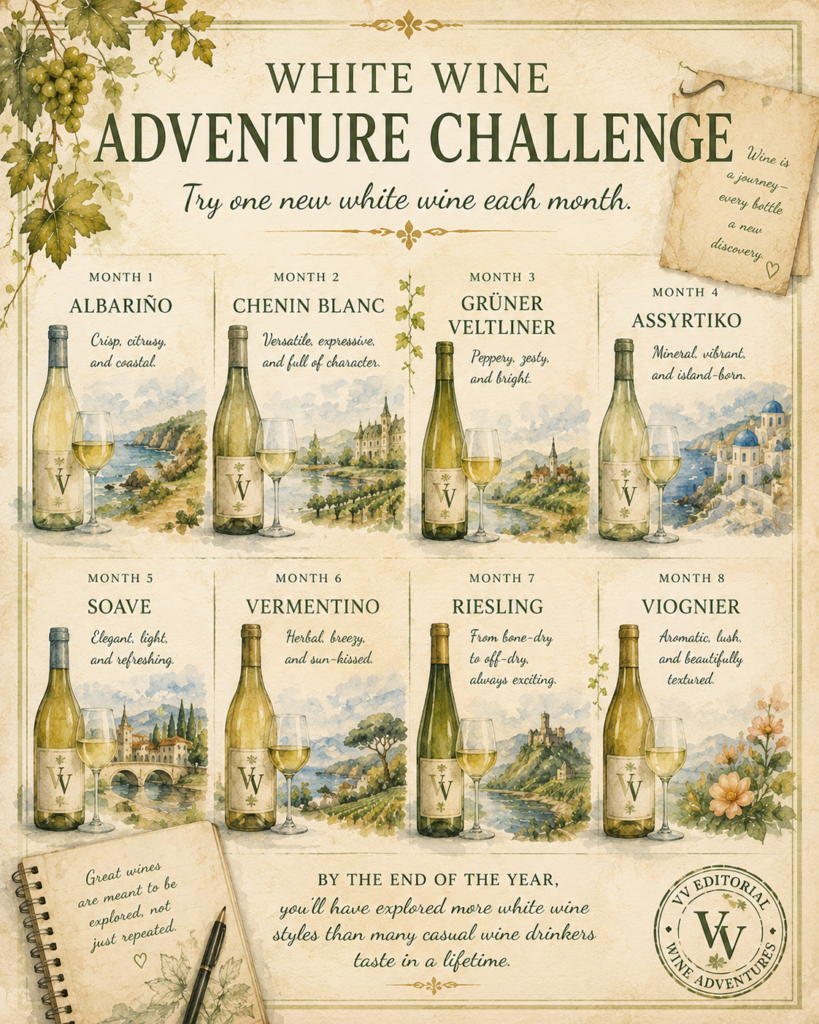
Try One New Grape Each Month
Exploring wine becomes much more manageable when approached one bottle at a time.
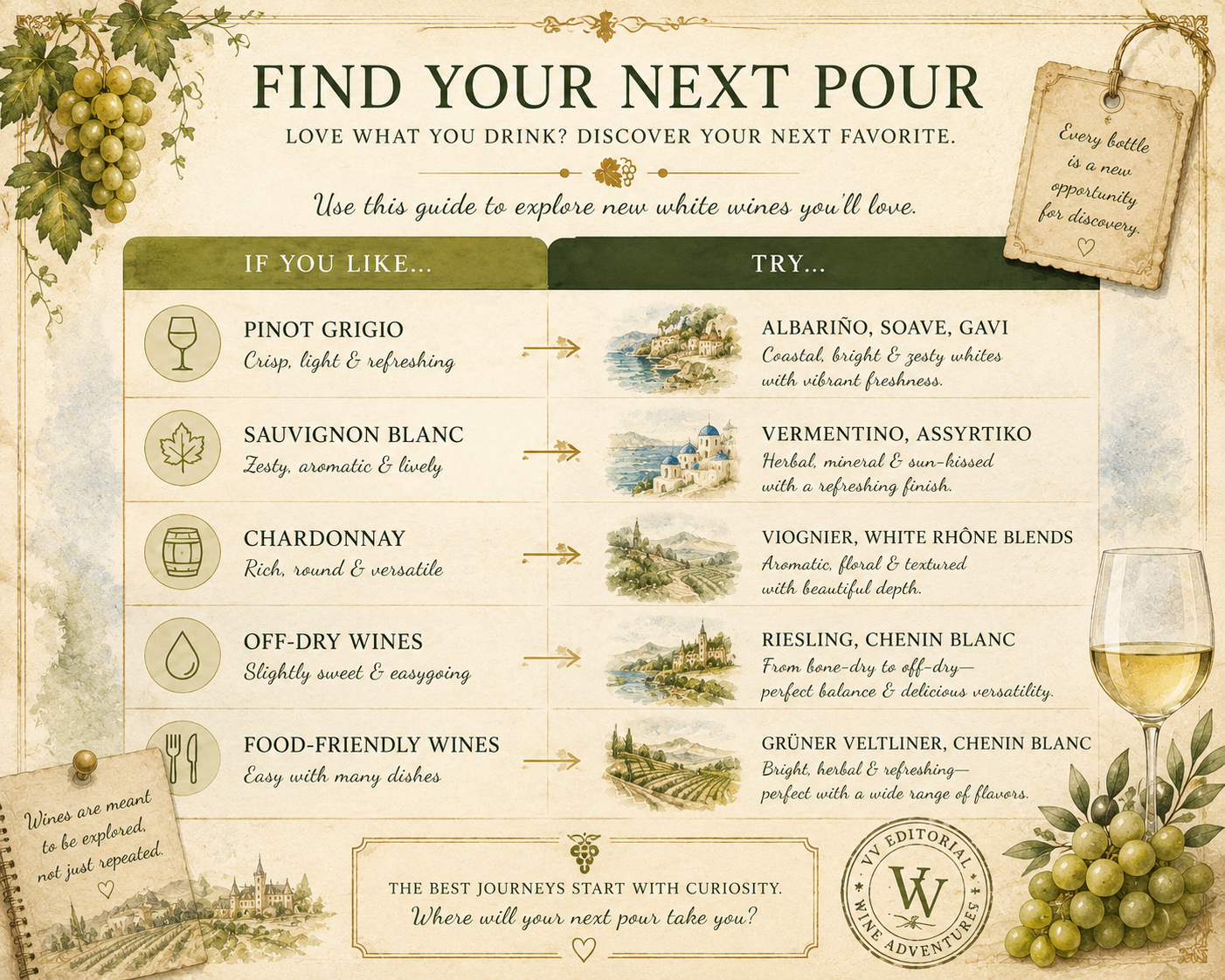
Rather than feeling overwhelmed by the thousands of grape varieties grown around the world, challenge yourself to try just one new white wine each month. One month might be Albariño, the next Grüner Veltliner, followed by Vermentino or Assyrtiko.
Over the course of a year, you’ll discover a dozen new wines and begin developing a deeper understanding of your own preferences.
Ask Your Local Wine Shop for Recommendations
Independent wine shops can be one of the best resources for discovering new favorites.
Most wine professionals love introducing customers to lesser-known wines. Instead of asking for a specific bottle, try describing what you already enjoy.
For example:
- “I like Sauvignon Blanc. What should I try next?”
- “I’m looking for something similar to Pinot Grigio but with more flavor.”
- “What’s a white wine you wish more people knew about?”
You may be surprised by the recommendations that follow.
Order Unfamiliar Wines by the Glass
Restaurants and wine bars offer a low-risk way to explore.
If you see a grape variety you don’t recognize on a wine list, consider ordering a glass rather than your usual choice. Trying wines by the glass allows you to experiment without committing to an entire bottle and can expose you to styles you may never have considered purchasing on your own.
Some of the best wine discoveries begin with a simple moment of curiosity.
Keep Tasting Notes
You don’t need a formal tasting journal or complicated scoring system.
Simply jot down a few observations after trying a new wine:
- What flavors stood out?
- Did you enjoy it?
- What food did you pair it with?
- Would you buy it again?
Over time, these notes can reveal patterns and help you identify the styles, regions, and grape varieties you enjoy most.
Embrace the Spirit of Discovery
At its heart, wine appreciation is not about memorizing facts or collecting obscure knowledge. It’s about enjoying new experiences, sharing bottles with friends, and discovering what brings you pleasure.
Every unfamiliar grape variety represents an opportunity to learn something new—not just about wine, but about your own palate.
“Wine confidence doesn’t come from knowing every grape—it comes from being willing to try something new.”
The most knowledgeable wine lovers aren’t necessarily the ones who know the most facts. They’re often the ones who never stopped exploring.
Final Thoughts
One of the most exciting aspects of wine is that there is always something new waiting to be discovered.
While Chardonnay, Sauvignon Blanc, and Pinot Grigio will always have their place, they represent only a small glimpse into the remarkable diversity of white wine. Beyond those familiar favorites lies a world of vibrant coastal wines, aromatic treasures, mineral-driven classics, and food-friendly gems that deserve a place on every wine lover’s radar.
From the Atlantic-influenced vineyards of Spain to the volcanic landscapes of Greece, from Austria’s food-pairing superstar Grüner Veltliner to the elegant whites of northern Italy, each wine on this list offers a unique expression of grape, geography, and tradition. Together, they showcase just how diverse and fascinating white wine can be.
National White Wine Day is the perfect excuse to step outside your comfort zone and try something new. Whether you choose a bottle of Albariño for a seafood dinner, explore the many personalities of Chenin Blanc, or discover the refreshing minerality of Assyrtiko, every new wine has the potential to become a new favorite.
The beauty of wine lies not in finding the “best” bottle, but in continuing the journey of discovery. Every glass tells a story, every region offers a new perspective, and every unfamiliar grape presents an opportunity to expand your palate.
The world of white wine is far bigger than Chardonnay alone. Whether you’re drawn to the seaside freshness of Albariño, the versatility of Chenin Blanc, or the volcanic intensity of Assyrtiko, each bottle offers a new opportunity to expand your palate and deepen your appreciation for wine.
So this National White Wine Day, raise a glass to curiosity, exploration, and the joy of discovering something deliciously unexpected.