
Introduction
Many people wonder what is tannin in wine and why certain wines feel dry or structured on the palate. Maybe you have experienced the slightly dry, puckering sensation that certain red wines leave in the mouth. That feeling—often noticed along the gums or the sides of the tongue—is caused by tannins, one of the most important structural elements in wine.
Tannins play a significant role in shaping a wine’s texture, balance, and aging potential. They influence how a wine feels on the palate, contributing to sensations that may be described as firm, smooth, velvety, or structured.
While tannins are most commonly associated with bold red wines, understanding them can make it much easier to appreciate why some wines feel silky and elegant while others feel more powerful and gripping.
Learning to recognize tannins is one of the key steps in developing a deeper appreciation for wine. Once you begin to notice them, you start to understand how they contribute to the overall structure and character of a wine
What Are Tannins?
Tannins are natural compounds found in grape skins, seeds, and stems. They belong to a larger group of plant compounds known as polyphenols, which are commonly found in many plants and foods.
In winemaking, tannins are extracted during the fermentation process when the juice remains in contact with the grape skins. Because red wines are typically fermented with their skins, they contain far more tannins than most white wines, which are usually pressed and fermented without extended skin contact.
The amount of tannin in a wine can vary depending on several factors, including the grape variety, the winemaking process, and how long the wine spends aging with the grape skins.
Some grape varieties are naturally known for producing wines with more pronounced tannins. Examples include:
- Cabernet Sauvignon
- Nebbiolo
- Syrah
These wines often display a firmer structure and a more noticeable drying sensation on the palate.
Other grapes tend to produce wines with softer tannins and a lighter structure. Examples include:
- Pinot Noir
- Gamay
Because of their lower tannin levels, these wines are often described as smoother or more delicate in texture.
Understanding where tannins come from is the first step in recognizing how they influence the overall character of a wine. 🍷
How Tannins Affect the Taste of Wine
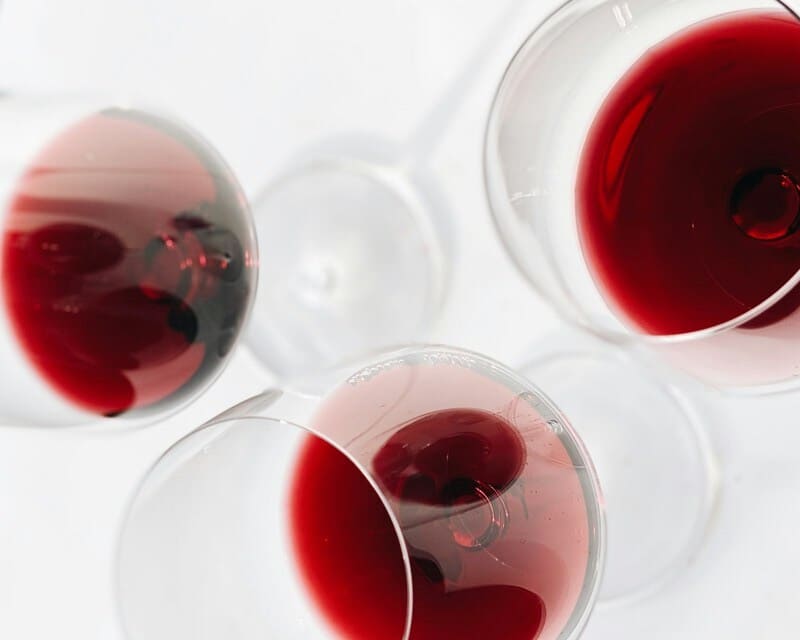
Tannins primarily influence the texture and mouthfeel of a wine rather than its flavor alone. When tasting a wine with noticeable tannins, you may experience sensations often described as:
- Drying
- Gripping
- Firm
- Velvety
- Silky
These descriptors reflect how the wine feels on the palate. Some wines may feel smooth and refined, while others may feel more structured or slightly astringent.
The science behind this sensation is relatively simple. Tannins interact with the proteins in saliva, causing them to bind together. This interaction reduces the lubricating effect of saliva in the mouth, which creates the familiar drying or puckering sensation often associated with tannic wines.
Interestingly, this feeling is not unique to wine. You may notice a similar sensation when consuming certain foods and beverages that also contain tannins, such as:
- Black tea
- Dark chocolate
- Walnuts
In wine, tannins contribute to the overall structure and texture of the wine. While acidity provides freshness and brightness, tannins provide a sense of framework and grip, helping give the wine its shape and balance on the palate.
Learning to recognize these textures is an important step in developing your wine tasting skills, as tannins play a key role in how many wines are experienced and evaluated.
Why Tannins Matter in Wine
Tannins are not simply a sensory characteristic; they also play an important role in the overall structure and development of a wine. In many cases, they help determine how a wine will taste when young and how it may evolve over time.
One of their primary roles is providing structure. Much like the frame of a building, tannins give wine shape and body, supporting the fruit flavors and other elements present in the glass.
Tannins also contribute to balance. Wines that are rich in fruit or higher in alcohol can sometimes feel heavy without a structural component to anchor them. Tannins help counterbalance that richness, creating a more harmonious overall profile.
Another important role of tannins is their contribution to aging potential. Wines with higher levels of tannin often have the ability to evolve and improve over time. As a wine ages, the tannins gradually soften and integrate with the other components of the wine, often resulting in a smoother and more complex texture.
Many of the world’s most collectible wines rely on tannin structure for their longevity. For example, classic red wines from the Bordeaux in France are known for their firm tannins in youth, which gradually soften and develop elegance with years of aging.
Understanding the role of tannins helps explain why some wines are meant to be enjoyed young while others are capable of developing remarkable complexity over time. 🍷
When evaluating wine, tannins are one of several structural elements that contribute to the overall balance and character of a wine. In my article How I Evaluate a Wine, I discuss how elements like structure, balance, and length shape the tasting experience.

How Tannins Change Over Time
Tannins do not remain static in wine. As a wine ages, its tannins gradually evolve, which can significantly change the overall texture and drinking experience.
In young wines, tannins often feel more pronounced. They may seem firmer, slightly grippy, or even somewhat astringent on the palate. This is particularly common in wines made from grape varieties naturally high in tannin, such as Cabernet Sauvignon or Nebbiolo.
Over time, however, tannins begin to soften and integrate with the other components of the wine. The texture can become smoother and more refined, often described as silky or harmonious.
This transformation occurs through a natural process called polymerization. During this process, tannin molecules gradually bind together to form larger compounds. As these molecules combine, they become less aggressive on the palate and contribute to a softer overall texture.
This is one reason why many wines known for their aging potential can feel quite structured when young but develop elegance and complexity with time.
For example, a young Cabernet Sauvignon may feel firm and tightly structured, while a mature wine from the Bordeaux in France can display beautifully integrated tannins that feel smooth and balanced after years of aging.
Tannins and Food Pairing
Tannins also play an important role in food and wine pairing. One of the reasons certain red wines pair so well with rich dishes is the way tannins interact with protein and fat in food.
When tannic wines are paired with foods that contain protein—such as meat—the proteins help soften the tannins. This interaction reduces the drying sensation on the palate and allows the wine’s fruit flavors to become more expressive.
Fat in food has a similar effect. Rich dishes can mellow the structure of tannic wines, creating a more balanced and enjoyable pairing.
This is why wines with noticeable tannin often pair beautifully with dishes such as:
- steak
- lamb
- braised meats
- rich sauces
A classic example is pairing Cabernet Sauvignon with grilled steak. The protein and fat in the meat help soften the wine’s tannins, while the wine’s structure balances the richness of the dish.
Understanding this relationship helps explain why certain combinations feel so natural at the table and why tannic wines often shine when enjoyed alongside hearty meals. 🍷
If you’re interested in exploring more classic pairings, you can also read 7 Classic Food and Wine Pairings Every Wine Lover Should Know.
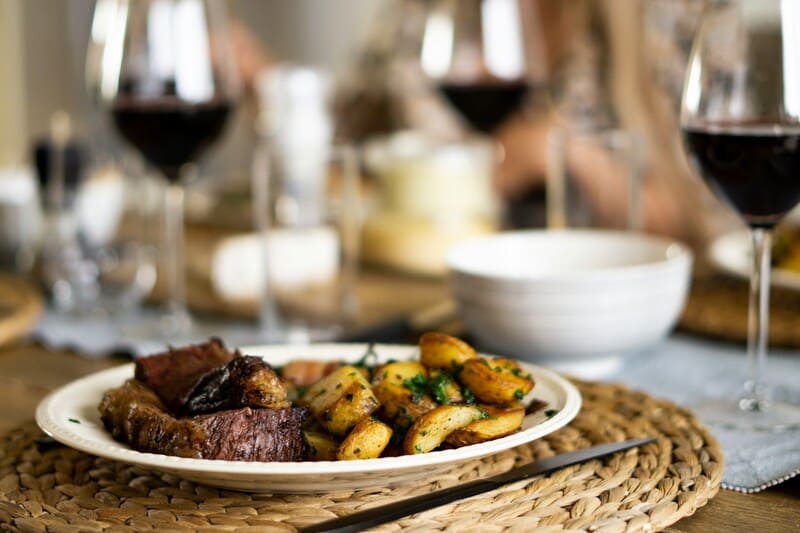
How to Recognize Tannins When Tasting Wine
One of the best ways to understand tannins is to pay attention to texture while tasting wine. Unlike aromas or flavors, tannins are primarily experienced through the sensation they create in the mouth.
You can begin noticing tannins with a few simple steps:
- Take a small sip of the wine.
- Let the wine move across your palate, paying attention to how it feels.
- Notice any drying or gripping sensation, particularly as you swallow.
Tannins are often most noticeable along the gums and the sides of the mouth, where the drying sensation tends to be strongest.
As you taste different wines, you may also begin to notice that tannins can feel quite different depending on the wine. Common descriptions include:
- Smooth tannins — soft and well-integrated, creating a gentle structure rather than a strong grip.
- Aggressive tannins — firmer and more pronounced, sometimes creating a stronger drying sensation.
- Fine-grained tannins — very refined and elegant, often described as silky or polished.
Recognizing these differences helps wine drinkers better understand a wine’s overall structure and quality.
If you’re just beginning to explore wine tasting, learning to recognize tannins is an important step in developing your palate. You can learn more in our guide to Wine Tasting 101: How to Taste Wine Like a Pro.
Are Tannins Good or Bad?
Because tannins can create a drying sensation, some people assume they are a flaw in wine. In reality, tannins are a natural and essential component of many wines, particularly red wines.
When balanced properly, tannins contribute to the overall harmony of a wine. They provide structure, help balance fruit richness, and often allow wines to develop complexity over time.
High-quality wines typically display tannins that feel:
- Integrated with the other elements of the wine
- Balanced with the fruit and acidity
- Harmonious rather than overwhelming
Rather than being something to avoid, tannins are one of the elements that give many wines their character and longevity.
Understanding how tannins work allows wine drinkers to appreciate them as an important part of the overall experience.
Conclusion
Understanding tannins can transform the way you experience red wine.
Instead of simply noticing that a wine feels “strong” or “dry,” you begin to recognize the structure and texture that tannins contribute to the wine. This awareness helps explain why certain wines feel powerful and structured while others feel soft and elegant.
The next time you taste a wine, pay attention to how tannins appear in the glass—especially in wines made from grapes such as:
- Cabernet Sauvignon
- Nebbiolo
- Syrah
By learning to notice these subtle structural elements, you move beyond simply drinking wine and begin tasting it with greater awareness and curiosity. Over time, this deeper understanding makes the experience of wine even more rewarding. 🍷
Understanding structural elements like tannins also helps explain why professional critics evaluate wines the way they do, a topic explored in Do Wine Scores Still Matter?
Frequently Asked Questions About Tannins in Wine
What do tannins taste like in wine?
Tannins are not so much a flavor as they are a texture. They create a drying or slightly puckering sensation in the mouth, often felt along the gums and sides of the tongue. Some wines may have firm or gripping tannins, while others display softer, more velvety textures.
Are tannins only found in red wine?
Tannins are most noticeable in red wines because red wines are typically fermented with their grape skins, seeds, and sometimes stems. These parts of the grape contain tannins. White wines usually have very low tannin levels because they are typically fermented without extended skin contact.
Do tannins help wine age longer?
Yes. Tannins are one of the structural elements that allow certain wines to age well. Over time, tannins gradually soften and integrate with the wine, often creating smoother textures and more complex flavors as the wine matures.
Which wines have the most tannins?
Some grape varieties are naturally known for producing wines with higher tannin levels, including:
- Cabernet Sauvignon
- Nebbiolo
- Syrah
These wines often have a firmer structure and are frequently paired with rich foods such as steak or lamb.
Continue Your Wine Education
If you enjoy learning more about wine—from tannins and acidity to regions and food pairings—VinVirtuosa offers guided tastings and wine education experiences designed to make wine approachable, engaging, and fun.